
Why does social media addiction occur, and how can laws like those in Australia and the UK help? Find out here.
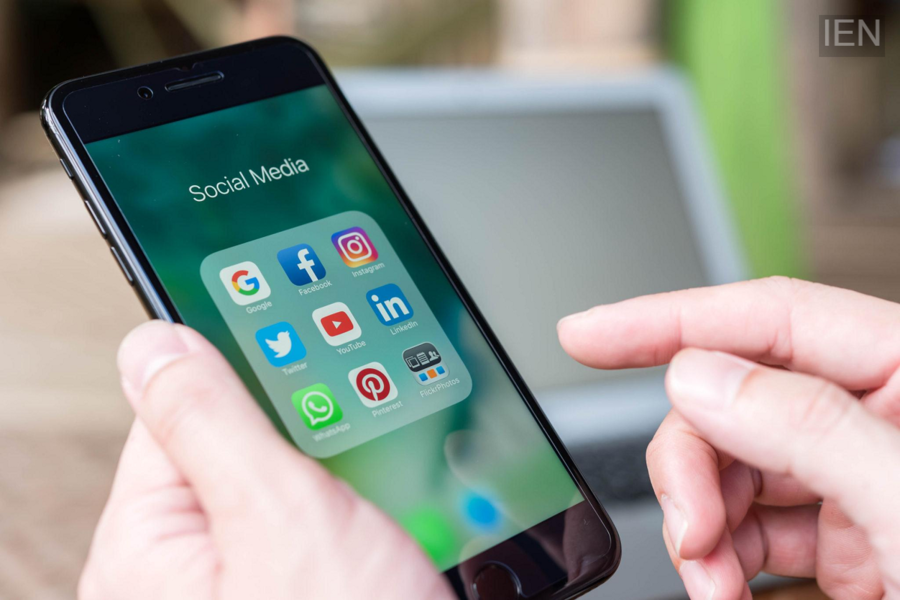
Social Media Addiction: Social media is having a detrimental effect on children. In response, Australia and the UK have moved to ban social media platforms for children under the age of 16.
Social Media Addiction: Recently, the UK has restricted social media access for children under 16. Much like in Australia, children under this age will be unable to access platforms such as Facebook, Instagram, and X. The reasons cited for this include the potential harm social media causes to children and the inherently addictive nature of these platforms. Today, we explore the factors that drive social media addiction and how legislation—like that in Australia and the UK—can help mitigate this issue.
Why does social media addiction develop?
Social media platforms are designed specifically to keep users glued to their screens for hours. Companies employ powerful algorithms that automatically identify a user's preferences and push similar content to them. Additionally, these platforms create a sense of urgency, suggesting that if content isn't viewed immediately, it might disappear. These tactics keep users hooked on the platforms.
Using AI to capture attention
Even after you close a social media app, notifications continue to remind you of content you might have missed. Companies have developed AI-powered notification systems capable of predicting exactly which types of alerts will grab a user's attention. Features like "infinite scroll" and "autoplay" leave users with little time to pause or reflect; once they pick up their phones, they often end up spending hours on these platforms. This situation is particularly dangerous for children, who generally have less self-control. This is precisely why particular concern is being raised regarding children.
Do regulations make a difference?
Many experts believe that banning social media is not an effective approach. Even with a ban, children would likely access these platforms using VPNs or other methods. However, it would be incorrect to claim that a ban is a complete failure; according to a survey, approximately 30 percent of children have stayed away from social media following the imposition of a ban. Experts suggest that legislation—such as that seen in Australia and the UK—could compel changes to the specific features that make social media addictive.
