
Why did the notification light disappear from smartphones? Why was this useful feature removed?
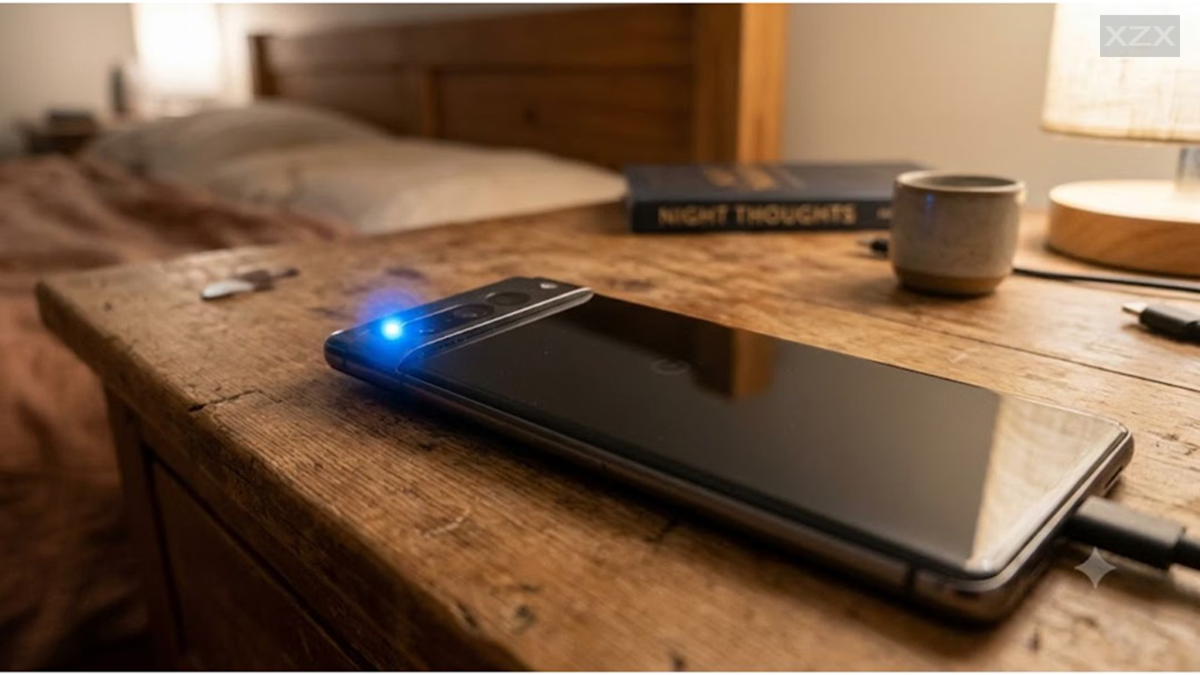
Until a few years ago, whenever a message or missed call arrived on our phones, a small light (Notification LED) at the top of the device would start blinking. Without even touching the phone, this light would indicate that a notification had arrived. However, this hardware notification LED has now been quietly removed from almost every new smartphone. Why did companies take this step, and how does it affect us users? Let’s find out.
Why did the notification LED disappear?
The primary reason for removing the notification LED is the evolution of smartphone display technology. Manufacturers began adopting AMOLED screens and Always-On Display (AOD) features, effectively eliminating the need for a separate LED light. The AOD feature keeps a small portion of the screen active even in sleep mode, allowing the time, battery status, and notification icons to remain visible directly on the display.
Additionally, as smartphone companies started reducing bezel sizes (the borders around the screen), there was significantly less space on the front of the phone to accommodate extra sensors or LEDs.
For companies, providing screen-based notifications became easier and a superior design choice compared to installing a separate LED.
Why was the notification light important?
The standout feature here was that users didn't need to pick up the phone or turn on the screen. One could tell from a distance—even if the phone was lying on a table—that a new message or alert had arrived. Some phones even allowed users to assign specific colors to different apps; for instance, one color could indicate a message while another signaled a missed call.
Today, alternatives like Always-On Display, edge lighting, screen flashes, or lock screen icons have taken its place; however, these often compel users to check their phones repeatedly to view notifications. This has led many people to develop a habit of constantly checking their phones. Increased Screen Time
The absence of a notification LED on smartphones has led to increased screen time. Previously, a quick glance at the LED light was enough to determine whether a notification was urgent or could be ignored; now, however, the lack of this feature forces users to repeatedly turn on their phone screens. This not only distracts from work but also drives up screen time. Consequently, many users have developed a habit of checking their phones unnecessarily.
Perhaps most surprising is that the absence of a notification light has heightened the "Fear of Missing Out" (FOMO) among users—a nagging anxiety that they might miss out on important information. Ultimately, the lack of a notification light has made us more dependent on our screens, a shift that is directly impacting our mental well-being.
Disclaimer: This content has been sourced and edited from Amar Ujala. While we modified it for clarity and presentation, the original content belongs to its respective authors and website. We do not claim ownership of the content.
