
White vs Blue Aadhaar Card: Key Differences, Eligibility, Application Process, and Important Rules Explained
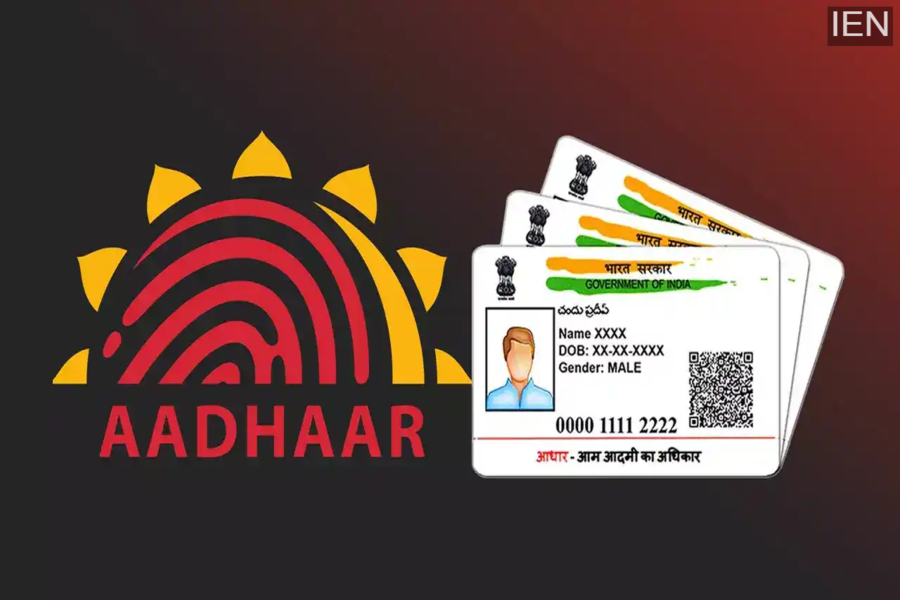
Aadhaar card has become one of the most essential identity documents in India, serving as proof of identity and address for millions of citizens. While most people are familiar with the standard white Aadhaar card issued to adults and children above five years of age, many are unaware that UIDAI (Unique Identification Authority of India) also provides a special Aadhaar card for young children. This version is known as the Blue Aadhaar Card, officially referred to as Baal Aadhaar.
The Blue Aadhaar Card is designed specifically for children below the age of five and differs significantly from the regular white Aadhaar card in terms of features, requirements, and usage. Here’s a detailed look at the differences between white and blue Aadhaar cards, who they are meant for, how to apply, and what parents should know.
Why Is the Aadhaar Card Blue for Children?
The Baal Aadhaar card is issued in a light blue color to clearly distinguish it from the standard white Aadhaar card. This visual difference makes it easier for authorities and parents to identify that the card belongs to a child below five years of age. The unique color also reflects the different data collection rules that apply to young children.
Who Is Eligible for a Blue Aadhaar Card?
The Blue Aadhaar Card is exclusively meant for children under five years old. Once a child reaches the age of five, the Blue Aadhaar Card becomes invalid unless updated with biometric information. Parents must ensure that the child’s Aadhaar is converted into a regular Aadhaar card through a biometric update at an Aadhaar enrollment center.
Major Differences Between White and Blue Aadhaar Cards
The most significant distinction between the two Aadhaar types lies in biometric data collection:
-
White Aadhaar Card: Includes biometric information such as fingerprints of all ten fingers and iris scans.
-
Blue Aadhaar Card: Does not include biometric details.
This is because biometric features like fingerprints and iris patterns in young children are still developing and change frequently. Capturing such data at an early age would be unreliable, which is why UIDAI excludes biometrics for children under five.
What Information Is Included in a Blue Aadhaar Card?
Although biometric data is not collected, the Blue Aadhaar Card still contains essential identity information, including:
-
Child’s name
-
Photograph of the child
-
Date of birth
-
Aadhaar number of one parent or guardian
The child’s Aadhaar is linked with a parent’s Aadhaar to maintain a verified family connection and ensure authenticity.
How to Apply for a Blue Aadhaar Card
Applying for a Blue Aadhaar Card is a simple and straightforward process. Parents or guardians need to follow these steps:
-
Visit the nearest Aadhaar Enrollment Center with the child.
-
Carry the child’s birth certificate as proof of date of birth.
-
Bring the Aadhaar card of one parent or guardian for verification.
-
At the center, a live photograph of the child will be taken.
-
Since no biometric data is required, the enrollment process is quick and hassle-free.
After successful verification, the Blue Aadhaar Card is generated and delivered to the registered address.
How to Convert a Blue Aadhaar into a Regular Aadhaar Card
To keep Aadhaar records accurate and up to date, UIDAI requires mandatory biometric updates at specific age milestones:
-
At age 5: The child must update fingerprints, iris scans, and a new photograph.
-
At age 15: A second biometric update is required to ensure long-term accuracy.
These updates help maintain the reliability of Aadhaar as a lifelong identity document, ensuring it remains valid for government services, education, banking, and other official purposes.
Why These Updates Are Important
Regular updates ensure that a child’s Aadhaar data stays accurate as they grow. This prevents identity-related issues in the future and ensures smooth access to essential services, scholarships, exams, government schemes, and financial services.
Failing to update Aadhaar at the required ages could result in complications when using the document for official verification.
Final Takeaway
The Blue Aadhaar Card (Baal Aadhaar) is a child-friendly identity document designed for children below five years of age, while the White Aadhaar Card serves as the standard ID for older children and adults. The key difference lies in biometric data collection, eligibility, and update requirements.
Understanding these differences helps parents ensure their child’s Aadhaar remains valid, accurate, and compliant with UIDAI guidelines—making it easier to access government and private services throughout the child’s life.
If you want, I can also rewrite this article in Hindi, or optimize it further for SEO, Google News formatting, and higher originality.
