
WhatsNot AI Tool Lets You Read Long WhatsApp Messages Without Blue Ticks, Created by an Indian Techie
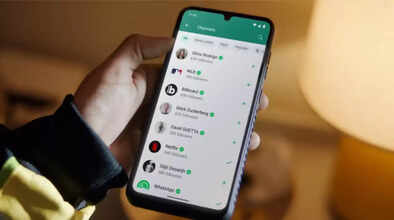
In an age where workplace communication often spills into personal time, WhatsApp messages from bosses and colleagues can quickly become overwhelming. Long instructions, follow-ups, and explanations arrive one after another, demanding attention and immediate replies. Addressing this modern problem with a smart technical twist, an Indian software professional has developed an AI-powered tool called “WhatsNot”, designed to summarize lengthy WhatsApp messages without triggering the blue tick.
The unique tool recently went viral after the developer shared details about it on Reddit’s popular r/developersIndia forum. The post struck a chord with professionals who frequently deal with long and mentally exhausting WhatsApp messages, especially from senior managers.
A Smart Solution to a Common Workplace Problem
The developer explained that his motivation came from personal experience. His boss often sent long WhatsApp messages that required time and mental effort to read properly. Opening each message immediately felt tiring, but ignoring them entirely or muting notifications was not a practical solution either. At the same time, reading the message would trigger the blue tick, signaling that it had been seen and often creating pressure to respond instantly.
Instead of choosing between stress and silence, the techie decided to build a technical workaround. The result was WhatsNot—an AI-based tool that allows users to understand the essence of a message without officially “opening” it on WhatsApp.
What Makes WhatsNot Different?
The biggest highlight of WhatsNot is that it does not show blue ticks, even after the message content is processed. This means the sender remains unaware that the message has been read.
Beyond that, the tool offers several intelligent features:
-
It summarizes long WhatsApp messages into short, clear, and readable points
-
It can analyze the tone of the message, identifying whether it is urgent, angry, casual, or possibly sent by mistake
-
It helps users quickly judge the importance and mood behind the message, which is especially useful in professional settings
In simple terms, WhatsNot not only saves time but also helps users mentally prepare before responding.
How Does the WhatsNot Tool Work?
Technically, WhatsNot operates without directly opening WhatsApp chats on the phone. Instead, it uses a separate system that monitors incoming messages and processes them externally.
Here’s a simplified explanation of how it functions:
-
The tool is built on a Node.js service
-
It uses Baileys, an open-source library, to detect incoming WhatsApp messages
-
When a new message arrives, it is copied through a lightweight HTTP server
-
The message is then sent to a free Groq large language model (LLM) API
-
The AI analyzes the content and generates a concise summary
-
The summarized message is displayed on a small screen interface
Since the original WhatsApp chat is never opened on the phone, WhatsApp does not register the message as “read,” and therefore, no blue tick appears.
The device also includes a touch sensor, allowing users to scroll through or refresh summaries easily without interacting with WhatsApp itself.
Not a Commercial Product—Just a Practical Experiment
The developer has clarified that WhatsNot is not a commercial product and is not being sold as an app or device. Instead, it is a personal project created as a practical—and slightly humorous—solution to modern workplace communication challenges.
According to him, the tool reflects how professionals today are trying to balance constant digital connectivity with mental well-being. It also highlights how AI can be used creatively to solve everyday stress points, rather than just for large-scale enterprise applications.
Why the Tool Is Gaining Attention
WhatsNot has gained widespread attention because it addresses a problem many professionals silently face. The pressure to instantly respond to work messages, especially on personal messaging platforms like WhatsApp, has become a growing concern in today’s always-online culture.
By allowing users to stay informed without appearing immediately available, the tool introduces a new way of managing digital boundaries at work.
Final Thoughts
The WhatsNot AI tool may not be officially available to the public, but its concept has sparked an important conversation about work-life balance, privacy, and smart use of technology. It shows how innovation can emerge from everyday frustrations and how AI can be adapted to improve mental comfort in professional communication.
As workplace messaging continues to grow, ideas like WhatsNot hint at a future where users have greater control over how and when they engage—without the pressure of a blue tick.
