
WhatsApp withdraws petition filed in SC, your data will not be shared with other companies without your consent.
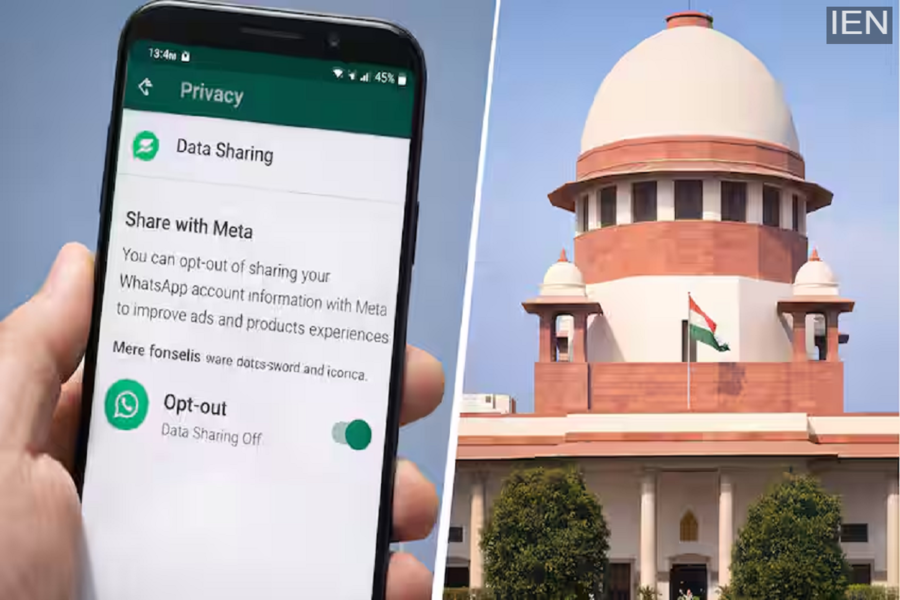
Messaging platform WhatsApp has taken a major step back in the Indian Supreme Court in a privacy dispute case. The company has assured the court that it will comply with the directives of the Competition Commission of India (CCI). Now, WhatsApp users will have the option to choose whether or not to share their data with other companies like Facebook and Instagram. WhatsApp has also withdrawn its petition challenging the NCLAT order.
If you use WhatsApp and were concerned about your privacy, this is significant and reassuring news for you. For the past several years, WhatsApp has been battling Indian courts and regulatory bodies over its 2021 privacy policy. But now, WhatsApp has surrendered.
During the latest hearing in the Supreme Court, WhatsApp clarified that it will respect Indian law and the orders of the Competition Commission of India (CCI). This means that WhatsApp will no longer be able to share your personal information with Facebook or Instagram (Meta) at will.
Users will gain the 'Power of Choice.'
Until now, WhatsApp's policy was such that if you wanted to use the app, you had to agree to its terms. But now the rules will change:
Consent System: WhatsApp will now create a system where users will be explicitly asked if they want to share their data with other Meta companies.
End of Mandatory Consent: Now, it will be mandatory to obtain 'mandatory consent' from users for data sharing. Even if you refuse, you will still be able to use WhatsApp as before.
NCLAT Order to be Implemented by March 16
In December, the NCLAT (National Company Law Appellate Tribunal) issued a strict order against WhatsApp.
3-Month Delay: The tribunal directed the company to make the necessary technical changes to prevent data sharing. WhatsApp was given three months to do so.
Petition Withdrawn: WhatsApp initially challenged the order in the Supreme Court, but today the company withdrew its petition. WhatsApp informed the court that it would ensure full compliance with the order by March 16, 2026.
Why is it necessary to comply with the CCI's directive?
The Competition Commission of India (CCI) believed that WhatsApp was abusing its market dominance.
Data Trap: WhatsApp possesses data on millions of Indians. Sharing it with Facebook could have given Meta an unfair advantage in the advertising market.
Privacy violation: Sharing users' data to another company (even Meta's own) without their consent is considered a violation of Indian competition laws.
Is the matter completely over?
No, the Supreme Court has made an important comment on this matter. WhatsApp is now complying with the CCI's order, but the main issue regarding the legal validity of its 2021 privacy policy remains pending in court. This means that broader privacy principles may still be debated and heard in the future.
Conclusion
This move by WhatsApp is a major victory for data privacy in India. It proves that no big tech company is above the country's laws and regulatory bodies. After March 16th, you may see a new notification or settings option on your WhatsApp, allowing you to control your privacy. This signals a safer future for users of 'Digital India'.
Frequently Asked Questions (FAQs)
1- What has WhatsApp promised to the Supreme Court?
WhatsApp has promised to implement the CCI's directives by March 16th and give users the right to choose data sharing.
2- Will my WhatsApp data no longer be shared with Facebook?
Yes, if you opt out of sharing in your settings, WhatsApp will no longer be able to share your information with other companies on Facebook.
3- What is the March 16th deadline?
According to the NCLAT order, WhatsApp has been given until March 16th, 2026, to implement this new system.
4- Will I still be able to use WhatsApp after opting out of data sharing?
Yes, opting out of data sharing will now be your choice and will not impact your WhatsApp service.
5- What happened to the 2021 Privacy Policy?
The main case regarding the legal validity of that policy is still pending in the Supreme Court, and a decision is pending.
