
WhatsApp Defends Username Feature, Says New System Is Designed to Strengthen User Safety
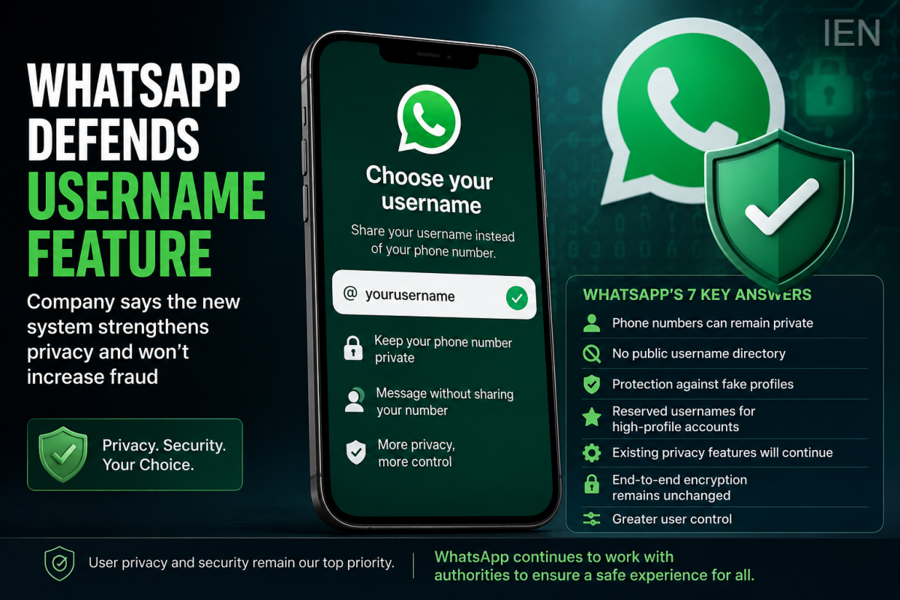
WhatsApp has responded to growing concerns surrounding its upcoming username feature, stating that the new system has been built with multiple safeguards to prevent misuse and enhance user privacy. The clarification comes after the Indian government reportedly asked Meta to temporarily pause the feature's rollout in the country and explain its security measures.
Addressing the issue through a series of posts on X (formerly Twitter), WhatsApp answered several frequently raised questions and explained why it believes the username feature can improve privacy rather than increase online fraud.
WhatsApp Explains the Purpose of Usernames
According to the company, the username feature is intended to allow users to communicate without sharing their personal mobile numbers. Instead of exposing a phone number to unknown contacts, people will be able to connect using a unique username, giving users greater control over their privacy.
WhatsApp emphasized that the feature is designed to protect personal information while maintaining the platform's existing end-to-end encryption.
Company Responds to Security Concerns
Following reports that Indian authorities had sought clarification over the feature, WhatsApp outlined several measures it says will help prevent impersonation, scams, and misuse.
The company stressed that usernames are not meant to make WhatsApp an open social networking platform and that multiple layers of protection have been integrated into the system.
Seven Key Clarifications Shared by WhatsApp
1. Phone Numbers Can Remain Private
Users will be able to chat with new contacts without revealing their mobile numbers, reducing unnecessary exposure of personal information.
2. No Public Username Directory
WhatsApp says usernames will not be listed in a searchable public database, making it harder for strangers to discover or target users.
3. Protection Against Fake Profiles
The platform has introduced mechanisms to detect suspicious or misleading usernames and prevent attempts to impersonate well-known individuals, brands, or organizations.
4. Reserved Usernames for High-Profile Accounts
According to the company, usernames associated with prominent personalities and major organizations will receive additional protection to reduce the risk of identity impersonation.
5. Existing Privacy Features Will Continue
WhatsApp confirmed that users will continue to have access to privacy controls such as blocking, reporting, muting, and restricting unwanted contacts.
6. End-to-End Encryption Remains Unchanged
The introduction of usernames does not affect WhatsApp's end-to-end encryption. Messages, voice calls, and video calls will continue to be protected by the same security standards already available on the platform.
7. Greater User Control
The company says the feature gives users more flexibility over how they share their identity online, allowing them to decide when and with whom they want to disclose their phone numbers.
Why the Feature Is Under Review
The clarification follows reports that the Indian government has asked Meta to provide additional information regarding the feature's security framework. Authorities are reviewing whether usernames could potentially be exploited by cybercriminals for impersonation, phishing, or online scams.
Until the review is complete, the rollout of the feature in India is expected to remain under discussion.
What Happens Next?
WhatsApp maintains that the username feature is intended to improve user privacy while preserving the platform's security standards. The company says it is cooperating with Indian authorities and has provided detailed explanations regarding the safeguards built into the system.
The final decision on the feature's launch in India will depend on the outcome of ongoing discussions between Meta and government officials. If approved, the feature could offer users a new way to communicate while keeping their personal phone numbers private.
