
What Makes UPI Capable of Transferring Money in Just One Second? Understand the Complete Technology
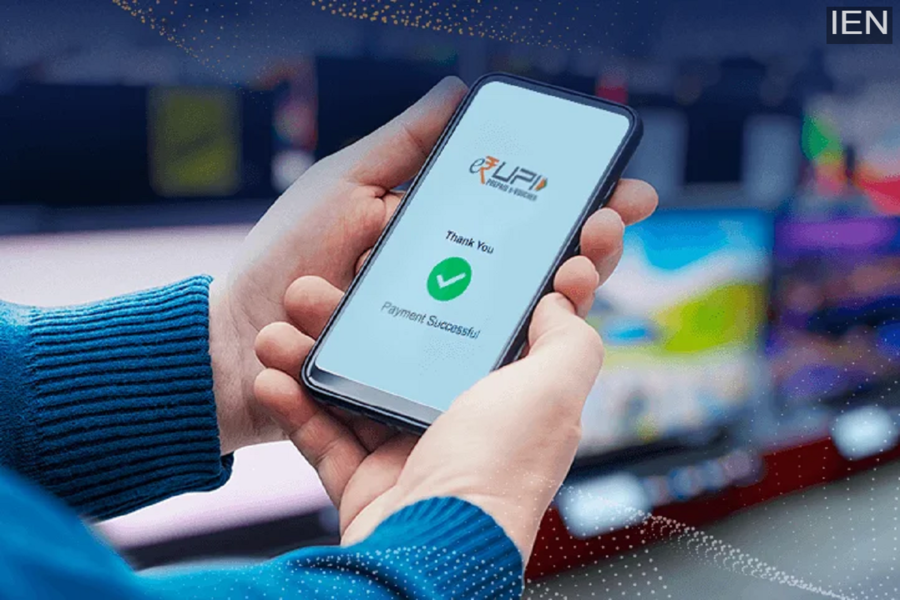
How UPI Works: With the advent of UPI, online payments have become incredibly easy and secure. A robust technology operates behind the scenes to make this possible. Today, let's explore this technology.
How UPI Works: You pull your phone out of your pocket, scan a QR code, enter the payment amount, and—done! In less than 10 seconds, money is transferred from your account to the recipient's account. There is no need for an account number, nor the hassle of asking for the bank's name. Everything is seamless, and the UPI payment is completed in the blink of an eye. This sheer convenience is what has made UPI so popular. Nowadays, UPI is being used for payments at every street stall, shop, and even the largest showrooms; however, very few people actually understand *how* UPI works. Today, we are going to explain the technology that powers it.
What is UPI?
UPI stands for Unified Payments Interface. It is a real-time payment system developed by the National Payments Corporation of India (NPCI). It offers individuals the convenience of transferring funds directly from their bank accounts using their mobile phones. It serves as a secure and effortless method for making online payments.
The Technology Behind UPI
UPI relies on a robust technological framework to ensure both speed and reliability—a system specifically designed for high performance and security. Its core technological components are outlined below:
Real-Time Payment System: At its core, UPI is a real-time payment system. This means that the moment you initiate a transfer, the funds are instantly credited to the recipient's account. This process requires no waiting periods or adherence to standard banking business hours.
Interoperability Between Banks: Another standout feature of UPI is its interoperability. This means you can send money from any bank account or payment app to any other bank account or payment app, regardless of the specific providers involved. This universal compatibility was designed and implemented by the NPCI. To facilitate this, a unified network has been established, enabling seamless communication and interaction among all participating banks and payment service providers. Unique Payment Address—Every UPI user possesses a unique payment address, commonly referred to as a Virtual Payment Address (VPA). It functions much like an email address. The advantage of this system is that users are not required to share their bank account number, IFSC code, name, or other such details. Payments can be received solely by using the VPA.
Secure API Integration—Payment applications connect to the UPI system via secure APIs (Application Programming Interfaces). In essence, these APIs act as digital gateways that enable distinct software systems to interact with one another. This integration is crucial for ensuring the integrity and security of the entire payment network.
