
What is the charge for a UPI transaction of ₹2,001?
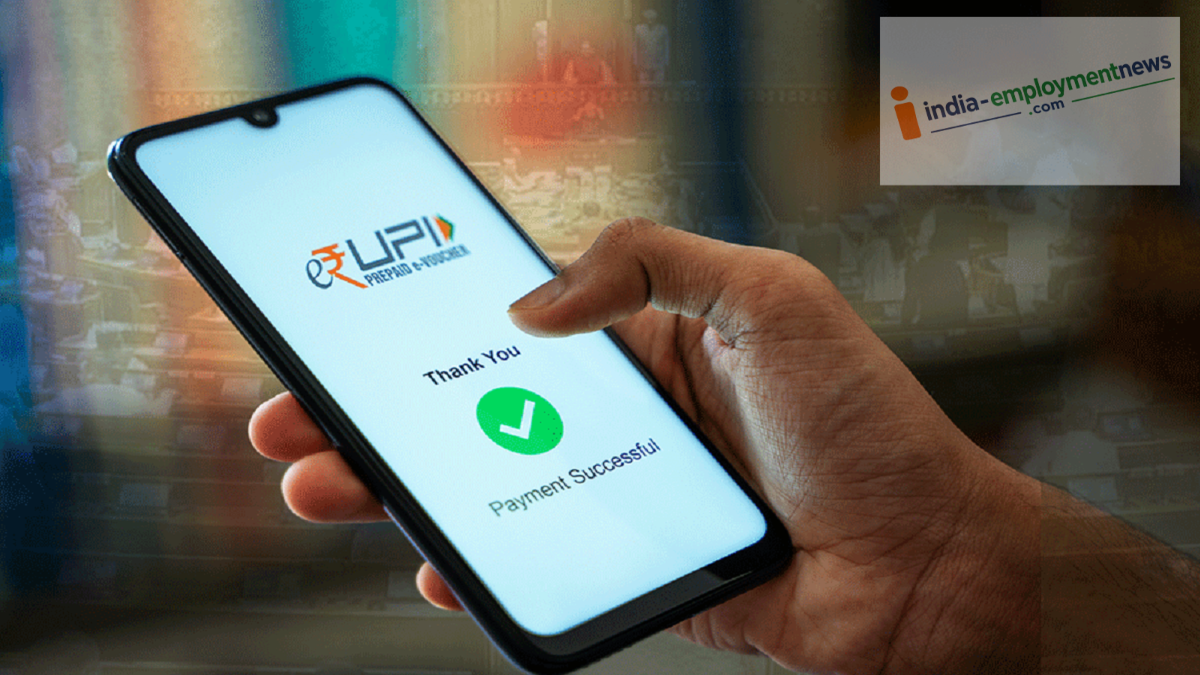
The government has decided to levy a 0.4% charge on merchant payments exceeding ₹2,000. Let us find out how much the charge will be for a payment of ₹2,001.
The central government has announced a decision to impose a 0.4% charge on UPI transactions exceeding ₹2,000. Consequently, if a customer makes a payment of more than ₹2,000 to a merchant, the merchant will have to pay a certain charge. Let’s look at the math involved: if someone makes a payment of ₹2,001, how much extra charge will the merchant have to pay?
How much is the charge for a ₹2,001 transaction?
Suppose someone purchases goods and the bill at the shop comes to ₹2,001; if the customer pays this amount via UPI, a 0.4% charge will apply.
Understanding the math:
If an MDR (Merchant Discount Rate) of 0.4% applies to a payment of ₹2,001, then:
₹2,001 x 0.4% = ₹8.004
This means the merchant will have to pay a charge of approximately ₹8 on a payment of ₹2,001.
Will customers have to pay this charge too?
No! The customer will not have to pay this charge because the government has implemented the MDR (Merchant Discount Rate), meaning the charge applies only to merchant payments. However, small business owners—such as street vendors or hawkers—will not have to pay this fee, as they do not typically handle such large transactions. That said, a merchant might choose to personally recover this fee from the customer at the time of payment; however, the government has no role in this, and it depends entirely on the merchant.
When will the fee come into effect?
The NPCI announced this via a post on Tuesday evening, stating that the charges will come into effect on October 15. According to the post, the government considers these charges essential for operating the UPI network, maintaining servers, and preventing fraud, as the government currently spends approximately ₹20,000 crore on these activities. Consequently, these charges could provide some financial relief to the government.
