
What is a GaN charger? Why is this technology more powerful and special than standard chargers?
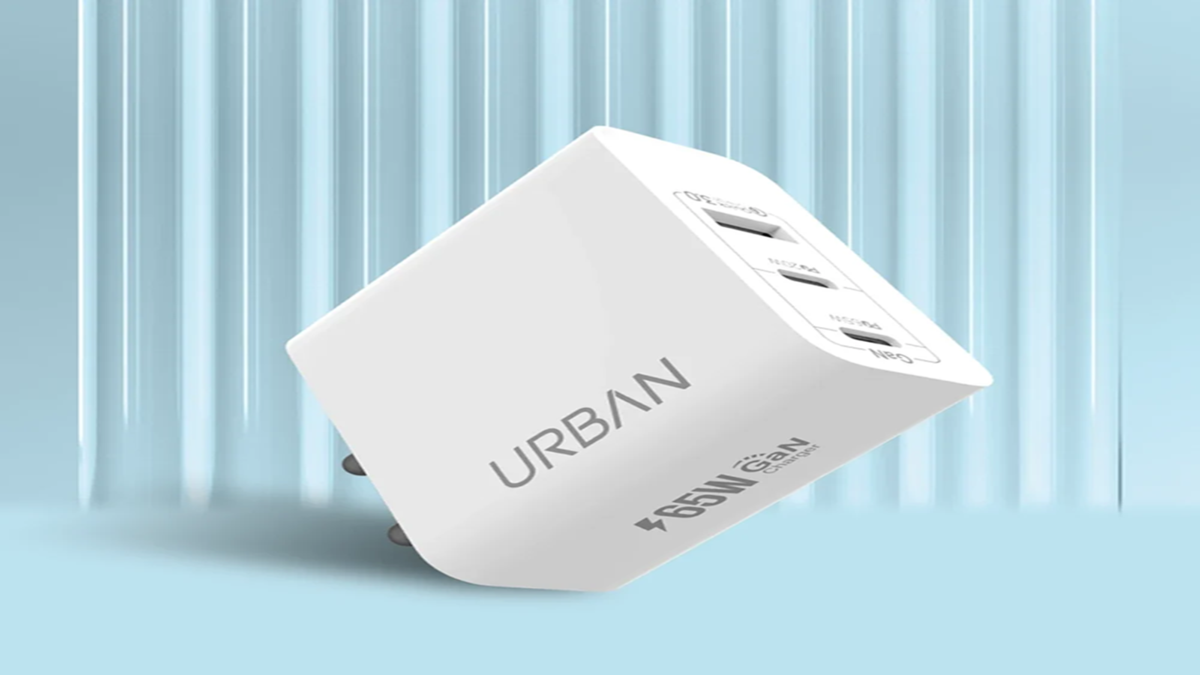
If you have noticed "GaN" written on your phone or laptop charger, know that it is not just an ordinary term. GaN—short for Gallium Nitride—is a new charging technology that offers higher power, better efficiency, and a more compact size compared to traditional silicon chargers. This is why many companies are now incorporating this technology into their fast chargers. Let’s explore how GaN chargers work and how they differ from standard chargers.
**What is GaN technology and how does it work?**
GaN stands for Gallium Nitride. It is an advanced semiconductor material capable of handling higher voltages and temperatures more effectively than traditional silicon. Consequently, GaN chargers deliver power to devices more rapidly and with less energy loss. While standard silicon chargers typically operate at 85–90% efficiency, GaN chargers can achieve up to 95% efficiency. This results in faster charging and reduced energy waste.
**Why are they superior to standard chargers?**
The standout features of GaN technology are its compact size and high power output. Since the material generates less heat, there is no need for bulky cooling components. This allows even a small-sized GaN charger to easily power large devices like smartphones, tablets, and laptops. A 160W GaN charger, for instance, can charge multiple devices simultaneously, eliminating the need to carry separate chargers while traveling.
**Why are GaN chargers expensive?**
The manufacturing process for GaN chargers is more complex than that of standard silicon chargers. The internal circuitry and safety components used are also costlier, driving up the overall price. While a standard 15W charger might cost between ₹500 and ₹1,000, a GaN charger can cost around ₹2,500 or more. However, if you only have a basic phone that supports 5W to 15W charging, buying an expensive GaN charger is not necessary. But if you use multiple fast-charging devices—such as phones, tablets, and laptops—then this technology could prove to be a better option for you.
Disclaimer: This content has been sourced and edited from TV9. While we have made modifications for clarity and presentation, the original content belongs to its respective authors and website. We do not claim ownership of the content.
