
Wedding Invitation Received on WhatsApp; Bank Account Drained Instantly Upon Clicking—Dos and Don'ts for Staying Safe..
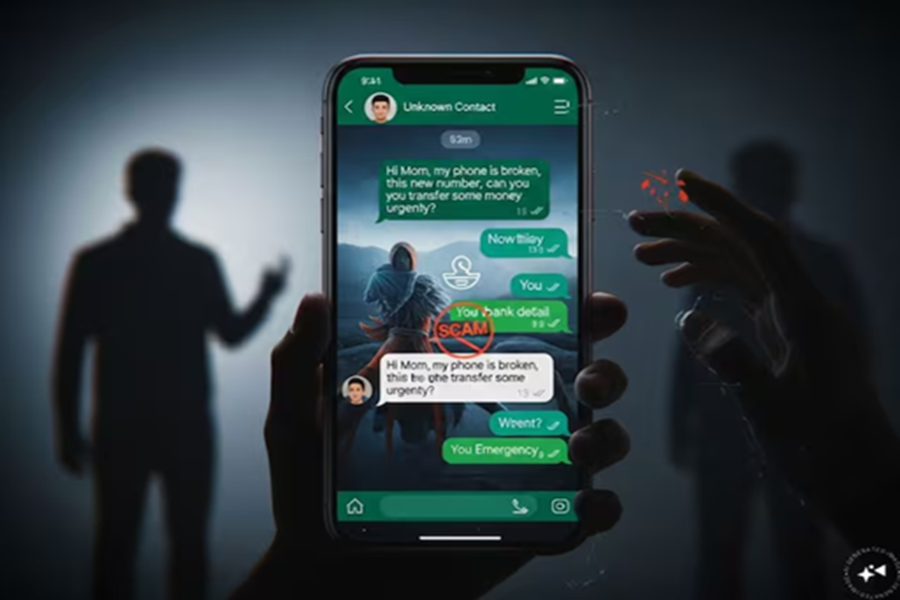
A shocking cyber fraud case has emerged from Bengaluru, where a fake wedding invitation received via WhatsApp cost a businessman dearly. Due to this single minor oversight, he suffered a financial loss of over ₹5 lakh.
According to reports, the 42-year-old man received a wedding invitation on WhatsApp that included an attached file. The file appeared to be a standard digital wedding card, so he did not harbor any suspicions about it. However, in reality, it was an APK file—a package format used to install Android applications.
As soon as he downloaded and installed the file, his smartphone fell under the control of cybercriminals. It is reported that this malicious app acquired several critical permissions on the phone, potentially including access to banking applications, text messages, and even One-Time Passwords (OTPs).
Within just a few minutes of this occurrence, a UPI transaction amounting to ₹5,00,440 was executed from his bank account. The victim immediately filed a complaint with the police, following which a case was registered under the Bharatiya Nyaya Sanhita. The police suspect that this incident may be part of a larger, organized cyber fraud network.
**How Does This Scam Work?**
In this type of scam, fraudsters send messages designed to appear emotionally engaging or trustworthy—such as wedding cards or event invitations—to unsuspecting individuals. As soon as the user downloads the attached file, a virus or spyware is installed on their phone, which then silently steals their data.
**How to Stay Safe?**
To protect yourself from such fraud, it is crucial to keep the following points in mind:
* Do not download any unknown or unsolicited APK files.
* Always install applications exclusively from the Google Play Store or the Apple App Store.
* Carefully review the permissions requested by an app while installing it.
* Steer clear of suspicious links and files.
* Ensure that Two-Factor Authentication (2FA) is enabled for all your banking and payment applications.
In today's digital age, cyber fraudsters are constantly devising new methods to deceive people. Consequently, remaining vigilant remains your strongest defense. A minor oversight can put your hard-earned money at risk.
Disclaimer: This content has been sourced and edited from Amar Ujala. While we have made modifications for clarity and presentation, the original content belongs to its respective authors and website. We do not claim ownership of the content.
