
Valentine Week Alert: Spot 3 Signs of Online Romance Scams Before It’s Too Late
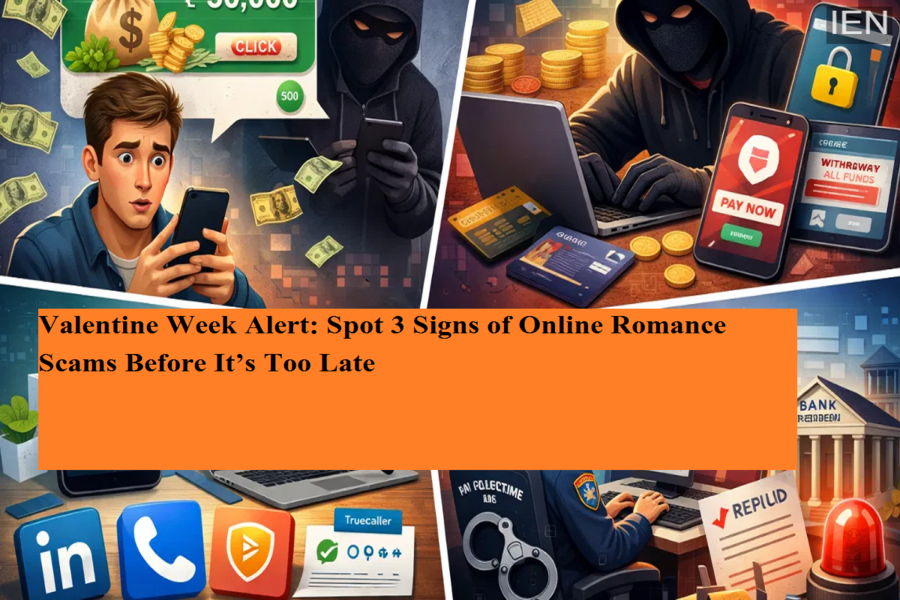
As Valentine Week celebrations peak across India, experts are warning internet users to stay alert against rising online romance scams. With friendships and relationships increasingly forming through social media and dating apps, cybercriminals are using emotional manipulation to target unsuspecting individuals. Authorities have issued advisories urging people to recognize warning signs before becoming victims of financial or emotional fraud.
Surge in Online Romance Scams During Valentine Week
Every year around Valentine’s Day, digital interactions surge on platforms like Instagram, Facebook, and Tinder. While many genuine connections are formed, cyber experts caution that this period also witnesses a spike in romance-based cyber fraud.
Fraudsters typically create fake profiles using attractive or generic images, often stolen from the internet. They initiate friendly conversations and gradually build emotional connections. Once trust is established, the scam unfolds—usually involving requests for money or sensitive personal information.
Digital safety specialists emphasize that awareness and clear personal boundaries are the strongest safeguards in online relationships.
Three Major Red Flags You Should Never Ignore
1. Rushing Into Personal Conversations Too Quickly
One of the most common tactics used by online scammers is accelerating emotional intimacy. If someone you just met online quickly begins asking deeply personal questions or shares dramatic life stories to gain sympathy, it could be a warning sign.
Scammers often pretend to form a strong emotional bond within days. They may express affection prematurely or claim intense feelings very early in the conversation. Experts advise users to share personal details cautiously and avoid revealing sensitive information such as financial details, home address, or identification documents to new online contacts.
Building trust takes time. Any attempt to rush that process should raise concerns.
2. Asking for Money or Avoiding Video Calls
A clear indicator of online fraud is an unexpected request for money. Cybercriminals commonly invent emergency situations—medical crises, travel expenses, gift delivery charges, or sudden financial troubles—to persuade victims to transfer funds.
Another strong red flag is consistent avoidance of video calls or face-to-face meetings. Fraudsters typically refuse live interaction to prevent exposure. They may give repeated excuses such as poor internet connectivity, being stationed abroad, or working in sensitive professions.
Additionally, the use of stock images or overly polished profile pictures can signal a fake identity. If reverse image searches reveal the same photo on multiple profiles, it is likely fraudulent.
Experts strongly advise never transferring money to someone you have not met in person or verified through trusted means.
3. Emotional Pressure and Urgency Tactics
Cyber fraudsters frequently create a sense of urgency to manipulate their targets. Phrases like “If you really love me, help me now” or “I need an answer immediately” are designed to create emotional pressure.
This psychological manipulation aims to prevent victims from thinking rationally. By creating fear, urgency, or guilt, scammers push individuals into making quick financial decisions.
If you feel pressured or emotionally cornered, it is important to pause communication immediately. Cyber safety authorities recommend reporting suspicious accounts to the respective platform and contacting official cybercrime helplines when necessary.
How to Stay Safe in Digital Relationships
In today’s connected world, forming friendships and romantic relationships online is common. However, digital security must remain a priority. Experts recommend:
-
Keeping personal and financial information private
-
Verifying identities before deepening trust
-
Avoiding financial transactions in online-only relationships
-
Reporting suspicious behavior promptly
Cybercrime cells across India continue to issue advisories during festive seasons to reduce fraud incidents. Awareness, caution, and emotional discipline are key tools in preventing cyber deception.
As Valentine’s Day approaches, celebrate safely—because genuine relationships never demand secrecy, urgency, or money.
