
UPI payments wipe out your entire salary—how can you save money without feeling deprived?
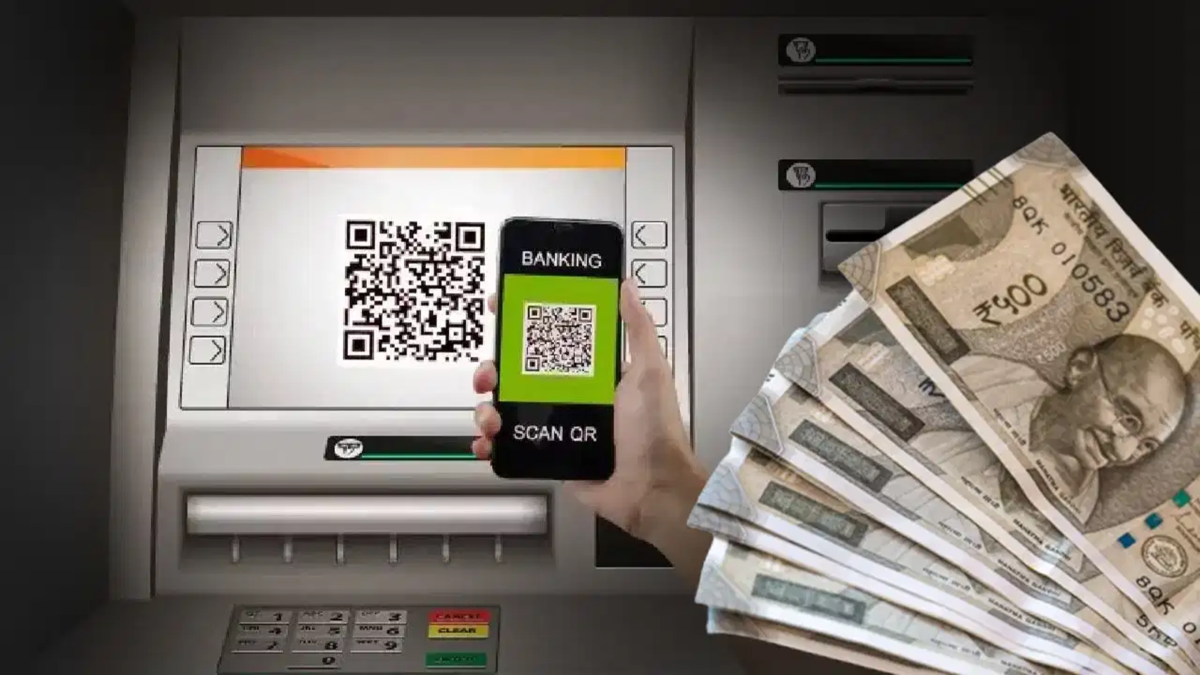
Nowadays, most people use UPI. Whether it is groceries, vegetables, rickshaw fare, or paying for tea, everything is settled in mere seconds. However, this does impact your pocket. Recently, a young woman shared her UPI spending summary on social media, expressing distress over her rising expenses. The video illustrated how numerous small online UPI payments can collectively deplete one's entire salary by the end of the month.
The message that truly delights the soul on the first of the month is "Salary credited to your account." It is the day you eagerly await all month long. While the first few days go well, by the 15th or 20th, checking your balance often leaves you wondering, "Where did the money go?"
**Small Digital Payments**
You generally have a rough idea of your major expenses. A significant portion usually goes towards rent, EMIs, school fees, groceries, and other big-ticket items. However, there is another category of expenses that quietly drains your bank balance: small digital payments.
**The Big Impact of Small Expenses**
₹180 for a cab ride to the office, ₹120 for an afternoon coffee, ₹350 for an evening food delivery, ₹250 spent on quick-commerce items on the way, ₹699 on online shopping, and four or five ongoing monthly subscriptions. None of these expenses seem huge on their own. The problem arises when these small expenses are repeated daily.
**Why Doesn't Spending ₹100 Hurt?**
Handing over a ₹500 cash note gives you a tangible sense of money leaving your pocket. With digital payments, that same amount vanishes from the screen in mere seconds. UPI has made payments so effortless that the mental pause between the urge to spend and the actual outflow of money has virtually disappeared.
Data from the National Payments Corporation of India reveals that approximately 24.51 billion UPI transactions took place in India in August 2026. On average, this amounts to approximately 81.7 crore transactions daily. The total monthly value of these digital payments stood at around ₹29.82 lakh crore. While not all of this represents personal spending, these figures illustrate just how integral digital payments have become to everyday life.
**The Culprit: A String of Expenses, Not Just One**
Consider a scenario where your salary is ₹60,000. If you spend an average of ₹150 extra daily on cabs or auto-rickshaws for your office commute, that adds up to about ₹3,000 a month. Ordering food twice a week at ₹400 per order costs around ₹3,200. Two or three online shopping orders a month might cost ₹2,000. Add ₹2,000 for coffee and snacks, plus ₹1,000 for various digital subscriptions. These seemingly minor expenses can easily total ₹11,000–₹12,000—yet, remarkably, most people do not perceive them as significant outlays.
**Subscriptions Quietly Drain Your Account**
Small monthly charges for OTT platforms, music services, cloud storage, apps, gaming, and other digital services are often automatically deducted from your account.
A FICCI-EY report indicates that by 2025, revenue from digital subscriptions in India had surged by 60% to reach ₹16,300 crore. The number of paid video subscriptions also rose to approximately 21.6 crore. This highlights a massive market driven by the "just ₹149 a month" mindset.
**Blurring the Line Between Need and Want in Online Shopping**
E-commerce has made shopping incredibly convenient, putting whatever you desire just a click away. According to the India Brand Equity Foundation, India's e-commerce market was valued at approximately $125 billion in 2024 and is projected to reach around $345 billion by 2030. The quick-commerce sector is also expanding rapidly. In the past, one had to step out of the house to make a purchase; now, simply opening an app saves all that effort. Consequently, shopping habits have shifted from buying only what is necessary to making impulse purchases simply because something looks appealing.
How to save money
The solution isn't to constantly deny yourself things; instead, you need a way to make your expenses visible. As an experiment, categorize all your UPI, card, and online payments for one month into four buckets: necessities, convenience, entertainment, and impulse/unexpected shopping. Then, at the end of the month, see where the biggest financial hit actually occurred.
For many, the answer won't lie in major grocery runs, but rather in those dozens of smaller transactions where 100, 200, or 500 rupees were spent each time. After all, a salary rarely disappears in a single large expense; it often drains away through numerous small, seemingly insignificant purchases. That is why a crucial financial skill is not just earning money, but understanding where it is quietly slipping away.
Disclaimer: This content has been sourced and edited from TV9. While we have made modifications for clarity and presentation, the original content belongs to its respective authors and website. We do not claim ownership of the content.
