
UPI Payment: What happens if you split a ₹6,000 payment into ₹2,000 installments?
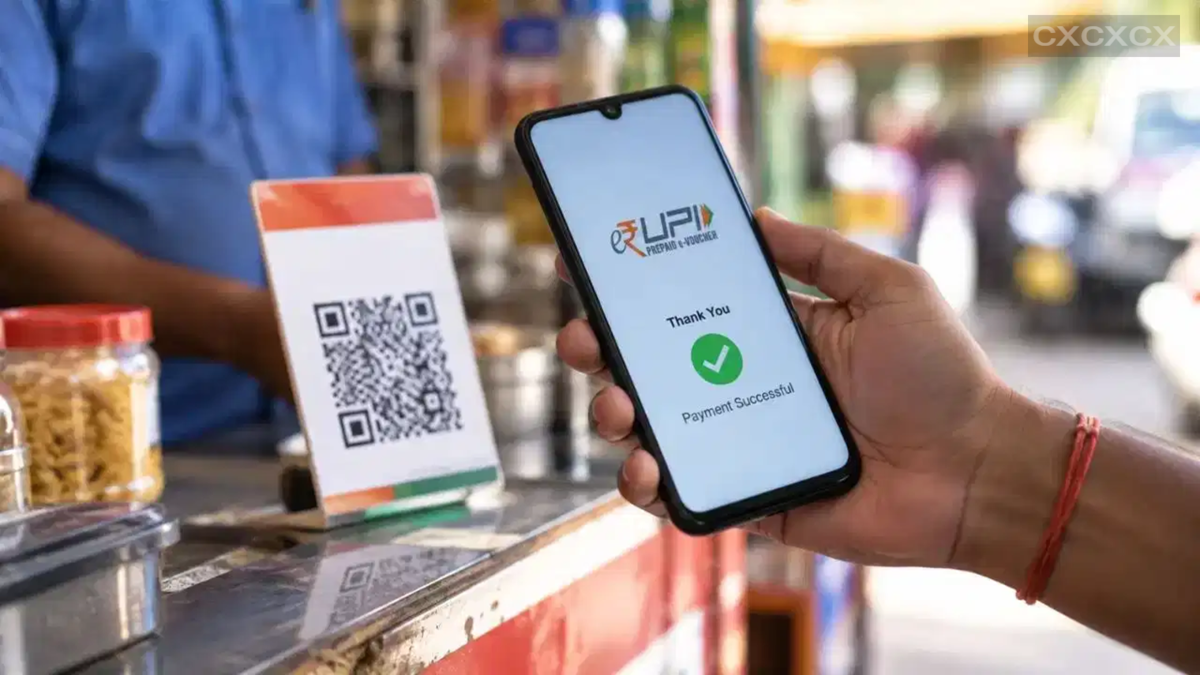
A major change in rules is set to take effect on October 15, 2026, for those making payments via UPI. Under the new MDR system, a Merchant Discount Rate (MDR) of 0.4% will apply to certain Person-to-Merchant (P2M) UPI transactions. For transactions exceeding ₹75,000, the maximum MDR has been capped at ₹300 per transaction. However, P2M payments up to ₹2,000 and Person-to-Person (P2P) transactions will be exempt from this MDR.
How much MDR would apply to a ₹6,000 bill?
Suppose you need to make a payment of ₹6,000 to a shop or merchant. If you make a single UPI payment of ₹6,000 and the transaction falls within the scope of the MDR, the charge levied on the merchant at a rate of 0.4% would amount to ₹24.
The question now arises: can the MDR be avoided by splitting this ₹6,000 amount into three separate transactions of ₹2,000 each?
Under the currently proposed framework, the MDR is calculated based on the value of each UPI transaction. Therefore, if three separate payments of ₹2,000 are made, each transaction remains within the ₹2,000 threshold and would not attract the MDR.
Is splitting payments in this manner illegal?
According to a Financial Express report, current regulations do not explicitly prohibit a customer from splitting a large bill into smaller UPI transactions. In other words, there is currently no specific rule declaring it illegal to settle a ₹6,000 bill through three payments of ₹2,000 each.
However, this does not mean that a customer can compel a merchant to accept multiple payments. A merchant may prefer a single payment transaction based on their accounting, refund, payment settlement, and fraud control requirements.
What are the risks of doing this repeatedly?
Making multiple identical payments to the same merchant in quick succession can trigger a bank's security systems to flag the activity as an unusual transaction pattern. In some cases, this could lead to issues such as temporary transaction blocks or a suspension of UPI services. Additionally, there may be limits on the number of daily transactions allowed for a bank account.
For the merchant, multiple payments also entail increased accounting and reconciliation work; tracking and settling three separate ₹2,000 entries can be more complex than handling a single ₹6,000 entry.
Merchants cannot charge MDR to the customer.
Most importantly, the Merchant Discount Rate (MDR) is not a UPI charge to be collected from the customer; it represents the cost incurred by the merchant to accept payments. According to government and NPCI guidelines, merchants cannot pass this fee directly on to the customer. If a merchant demands an additional MDR for UPI payments, the customer can file a complaint.
Therefore, there is no need to split a ₹6,000 bill into three parts solely to avoid MDR. If the merchant accepts a single payment, the customer should proceed with the payment in the standard manner. In the future, the NPCI or banks might issue specific anti-circumvention rules regarding such payment splitting.
Disclaimer: This content has been sourced and edited from TV9. While we have made modifications for clarity and presentation, the original content belongs to its respective authors and website. We do not claim ownership of the content.
