
UPI MDR: Major update ahead of the 0.4% charge on UPI; could the rule be deferred until January?
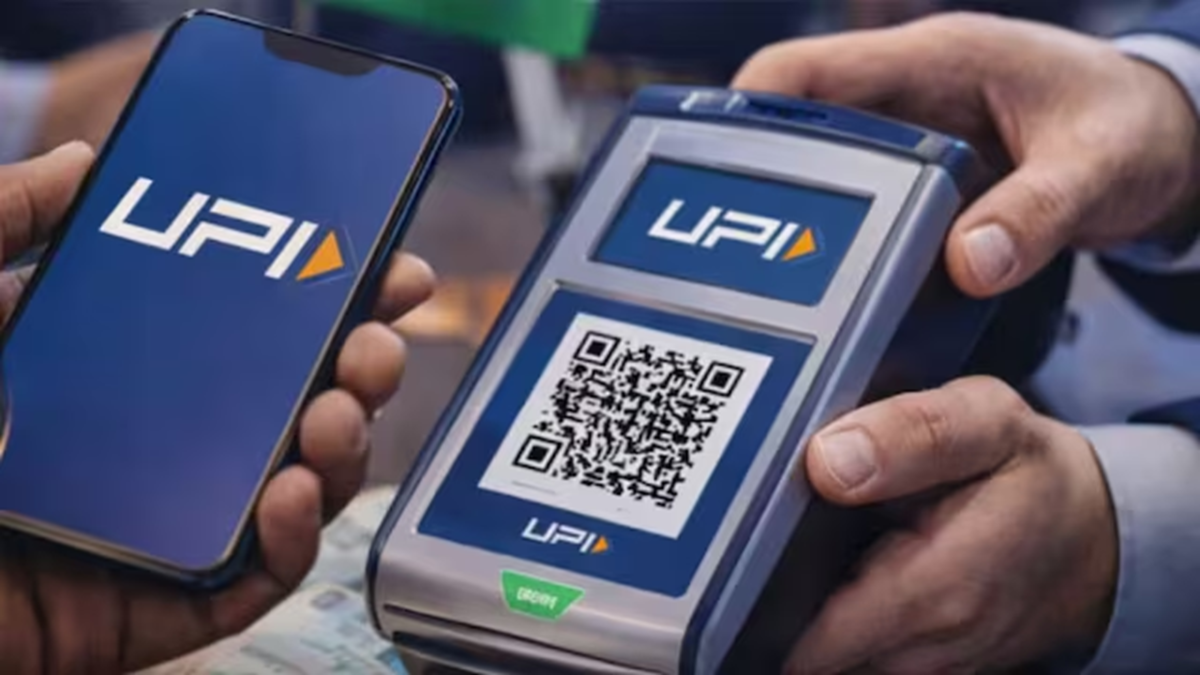
An MDR (Merchant Discount Rate) of 0.4% is scheduled to apply to UPI transactions exceeding ₹2,000 starting October 15, 2026. However, merchant associations, fintech companies, and the payment industry have now requested a deferral. These companies and business owners state that they require more time to prepare before implementing the new system. In particular, there is ambiguity regarding the specific charges set for different types of UPI payments.
According to a Moneycontrol report, sources indicate that a request has been received to postpone the NPCI rule until January 2027. Discussions regarding this matter are also underway with the Ministry of Finance. The NPCI may make a decision on this within the next two days. The industry prefers that the new system be implemented only after the festive shopping season concludes. Merchants fear that an increase in costs at this juncture could impact sales and consumer purchasing behavior. Meanwhile, the government is also cautious about rising costs at a time when inflation is already straining household budgets.
How much will costs rise for payments above ₹2,000?
Under the new plan, an MDR of 0.4% is to be levied on UPI payments exceeding ₹2,000. Whether this cost is passed on directly to the customer or absorbed by the merchant through other means remains a separate issue. MDR—or Merchant Discount Rate—is the fee charged for payment processing at the merchant level for accepting digital payments. This amount can be significant for small businesses; for merchants with already thin profit margins, an additional cost per transaction could impact their earnings. This is why many merchant associations are currently calling for the rule to be put on hold.
The real issue isn't just the charge, but the complexity of the rules.
The payment industry's primary concern relates to the MDR rate. Different rules have been framed for various types of payments. Utility bills, loan installments, and capital market-related payments are not treated alike. This can make it difficult for banks, payment aggregators, and merchants to determine which charges apply to a specific transaction.
Identifying transactions based on Merchant Category Codes (MCC) is relatively straightforward for card payments. However, the situation is more complex with UPI. There are many types of payments that customers cannot make using cards. Therefore, the industry argues that accurately identifying all these categories within the system is essential before implementing the new framework.
**Major Complication Regarding Loan Payments**
The example of loan installments illustrates this issue well. Some 'AutoPay' transactions fail due to insufficient account balance. If the customer subsequently makes the payment manually, the system might classify it as a different type of transaction. NPCI guidelines provide for a flat fee of ₹5 for certain AutoPay-based loan payments. However, there is reportedly confusion among banks and payment companies regarding the categorization of manual repayments. The question is how the system can distinguish whether a customer's payment is genuinely a loan installment or a payment for a general financial service.
**Potential Impact on Festive Shopping**
The primary concern right now relates to the festive season. Large-scale shopping via UPI takes place during Diwali and other festivals. If the cost of the Merchant Discount Rate (MDR) is passed on to shopkeepers, they might incorporate it into their pricing, potentially making purchases slightly more expensive for customers. The industry also fears that additional charges could drive customers to use cash or cards instead of UPI.
This could affect the momentum of digital payments. For this reason, merchants and payment companies are seeking more time to prepare their systems. Ultimately, the final decision rests with the NPCI. If the rule is deferred until January 2027, the industry will gain additional time to resolve technical and policy-related complexities.
Disclaimer: This content has been sourced and edited from News18 Hindi. While we have made modifications for clarity and presentation, the original content belongs to its respective authors and website. We do not claim ownership of the content.
