
UPI Charges: Will shopkeepers have to replace their UPI scanners and soundboxes?
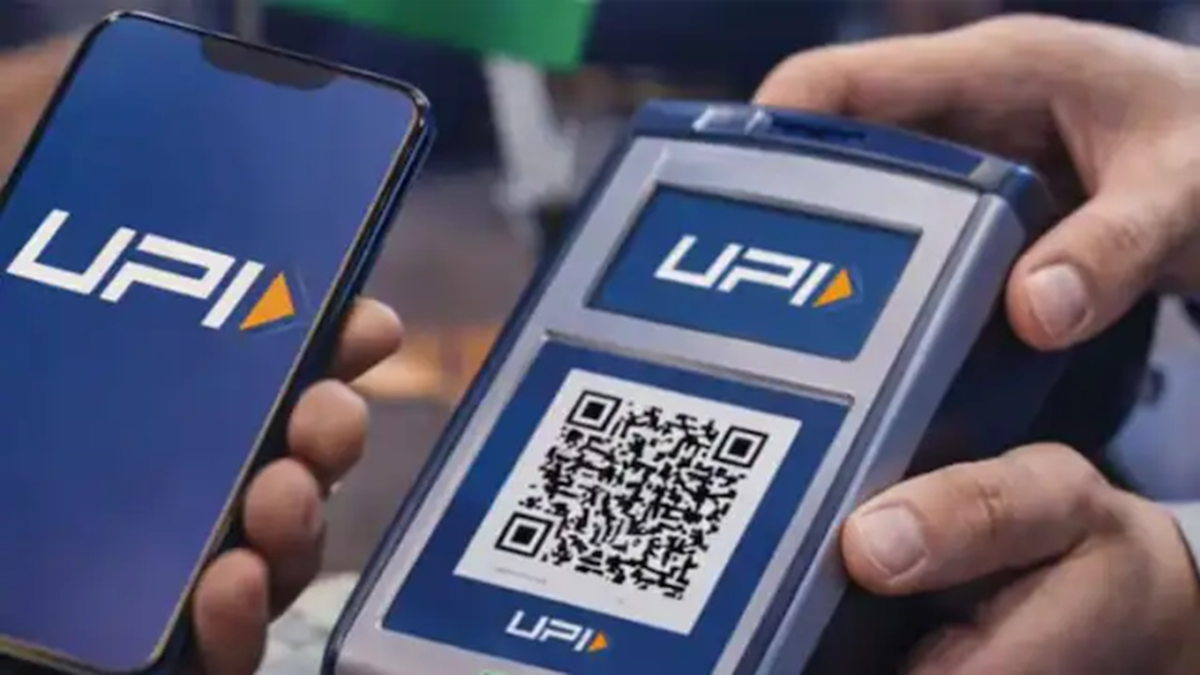
The National Payments Corporation of India (NPCI) has announced the implementation of a Merchant Discount Rate (MDR)—essentially a UPI fee—on transactions exceeding ₹2,000. This fee on UPI payments will come into effect on October 15. Following this announcement by the NPCI, there has been considerable speculation in the market. Many shopkeepers are wondering if this new tax or charge means they will have to discard their existing QR code scanners. Will the 'Soundboxes' that announce payment confirmations need to be upgraded or replaced?
If you are wondering about the same things, there is absolutely no need to worry. The NPCI has issued a detailed FAQ to clarify the entire situation. The biggest relief for shopkeepers is that they do not need to make even the slightest change to their existing QR code scanners, standees, or Soundboxes. All physical QR codes currently installed at shops will continue to function normally, just as before. There is no need to replace the Soundbox, nor is there any requirement for new hardware or software updates.
No need to go anywhere
Merchants do not need to contact agents from UPI app companies or make rounds of their bank branches for any new registration. Your existing setup will continue to accept payments without any interruption.
Charge applicable only on transactions exceeding ₹2,000
The NPCI has clarified that this new rule will not impact the general public or small business owners. More than 95% of UPI transactions will remain completely free. Over 95% of all UPI P2M (Person-to-Merchant) transactions are for amounts less than ₹2,000. No charges of any kind will apply to these smaller payments. The 0.4% MDR will apply only to purchases exceeding ₹2,000. Even for large transactions of ₹75,000 or more, this charge will be capped at a maximum of ₹300 per transaction.
Disclaimer: This content has been sourced and edited from News18 Hindi. While we have made modifications for clarity and presentation, the original content belongs to its respective authors and website. We do not claim ownership of the content.
