
Unknown Caller Showing a Name on Your Phone? Here’s Why It’s Happening and Whether You Need to Change Any Settings
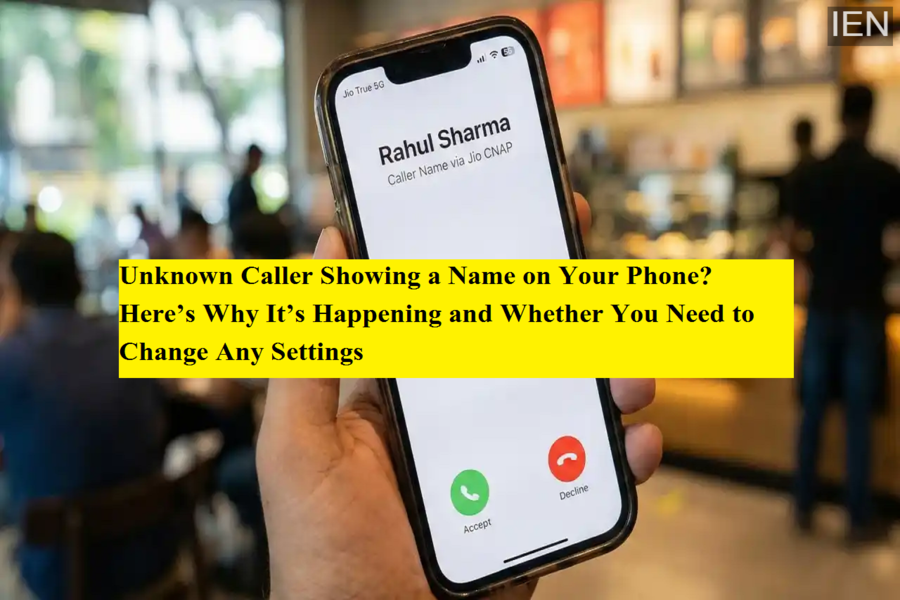
Have you recently noticed that incoming calls from unknown numbers now show a name on your phone, even when the number is not saved in your contacts? If yes, there’s no need to panic—this is not spying or hacking. Instead, it’s part of a new digital upgrade being rolled out across India by telecom operators in coordination with the government.
This new system allows your phone to display the caller’s registered name directly from the telecom network, reducing dependence on third-party apps like Truecaller. Here’s everything you need to know about this change, how it works, and whether you need to adjust any phone settings.
A Silent Digital Upgrade Rolling Out Across India
Over the past few weeks, many Indian users have started seeing names pop up alongside unknown incoming calls. This update is being quietly implemented nationwide and is part of a new telecom feature called Calling Name Presentation (CNAP).
Unlike mobile apps that rely on internet-based databases or crowdsourced information, CNAP works directly at the telecom network level. This means the caller’s identity is retrieved from official records linked to SIM registration, not from online user data.
This initiative is backed by the Department of Telecommunications (DoT) and the Telecom Regulatory Authority of India (TRAI) as part of efforts to improve caller transparency and combat spam and fraud.
What Is CNAP and How Does It Work?
CNAP (Calling Name Presentation) is a telecom service that displays the registered name of the person calling, even if their number is not saved in your phone.
The system operates as follows:
-
When someone calls you, your telecom operator fetches the caller’s name from official KYC records collected at the time of SIM registration
-
That registered name appears on your screen along with the phone number
-
If the caller has chosen to hide their identity or if no verified name exists, the name may not appear
-
CNAP applies only to voice calls, not SMS or messaging apps
This technology is based on standards defined by the European Telecommunications Standards Institute (ETSI), ensuring secure and standardized caller identification.
In simple terms, your phone now displays the real name tied to the caller’s SIM card, making it easier to recognize unknown callers.
Why This Change Was Needed: Limitations of the Old System
Before CNAP, Indian telecom networks relied on Calling Line Identification Presentation (CLIP), which displayed only the caller’s phone number, not their name.
However, with the rapid rise in:
-
Spam calls
-
Robocalls
-
Scam and fraud attempts
Users began ignoring unknown numbers entirely—sometimes even missing important or genuine calls.
According to TRAI, the older system was no longer sufficient to meet modern security and transparency needs, which led to the rollout of CNAP as a more reliable alternative.
How CNAP Is Different From Truecaller
At first glance, CNAP may feel similar to Truecaller, but there are key differences in data source, accuracy, and privacy.
CNAP Advantages:
-
Uses official telecom KYC records
-
No crowdsourced data
-
No contact scraping
-
No app installation required
-
Works directly through your mobile network
-
Names are generally more accurate and verified
Truecaller Works Differently:
-
Relies heavily on user-submitted and crowdsourced data
-
Requires internet access and app installation
-
Names may sometimes be incorrect, outdated, or unofficial
-
Offers additional features like spam tagging and community reports
In short, CNAP provides official and verified caller names, while apps like Truecaller depend on online databases and user input.
Do You Need to Change Any Phone Settings?
For most users, no manual settings change is required. CNAP is being enabled automatically by telecom operators, and it works at the network level, not the phone level.
However, availability may vary depending on:
-
Your mobile network provider
-
Your phone model and software version
-
The region where CNAP rollout is active
If you don’t see caller names yet, the feature may simply not have reached your network or device—it should appear gradually over time.
What This Means for Users
This upgrade is expected to:
-
Improve caller transparency
-
Reduce scam and fraud risks
-
Help users identify unknown callers more easily
-
Decrease dependence on third-party caller ID apps
-
Make mobile communication safer and more trustworthy
As India modernizes its telecom infrastructure, CNAP represents a major step toward smarter, safer digital communication.
Final Thoughts
If you’re seeing names instead of just numbers on unknown calls, it’s a legitimate telecom upgrade, not a privacy breach. The rollout of CNAP marks a shift toward official, verified caller identification, offering better security and convenience for mobile users across India.
As the feature expands nationwide, more people will benefit from clearer caller identities without needing extra apps or internet access.
