
UIDAI Launches New Aadhaar App to Update Name, Address and Mobile Number from Home
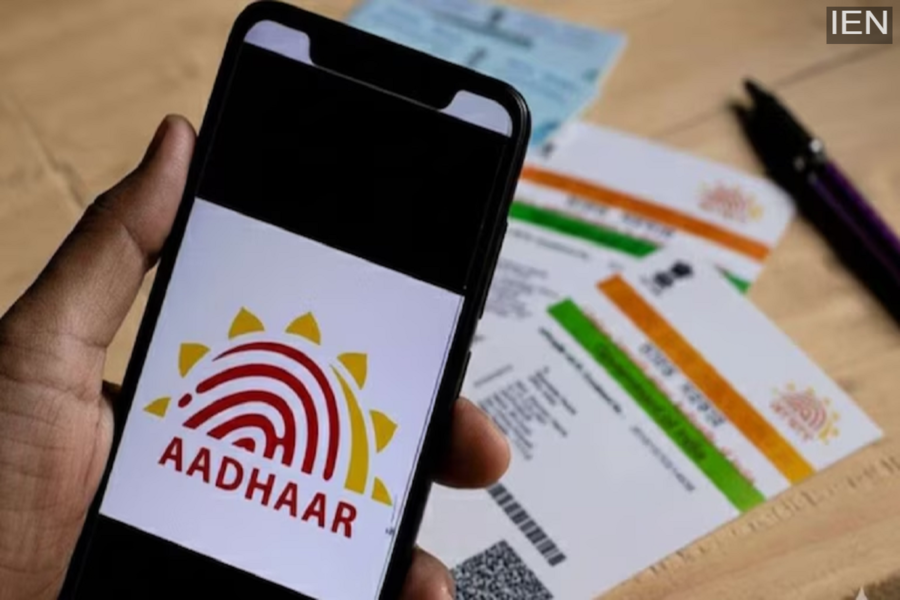
The Unique Identification Authority of India (UIDAI) has introduced a new Aadhaar mobile application that allows users to update important personal details such as their name, address, and mobile number directly from their smartphone. This new initiative aims to make Aadhaar management simpler, safer, and more convenient, especially for people who find it difficult to visit Aadhaar centres due to time constraints or technical issues like inactive phone numbers.
For millions of Aadhaar holders, updating personal information has often meant standing in long queues at enrollment centres. The newly launched Aadhaar App is designed to eliminate this hassle by enabling digital identity management from home while improving data security and reducing dependence on physical Aadhaar cards.
Purpose of the New Aadhaar App
According to UIDAI, despite repeated advisories, many citizens still share photocopies of their Aadhaar card for services such as hotel check-ins, SIM card verification, and office identification. This practice increases the risk of misuse of personal data.
The new Aadhaar App focuses on offline Aadhaar verification, which allows identity confirmation without sharing the Aadhaar number or biometric data. The goal is to make authentication safer while ensuring that only the necessary information is disclosed during verification.
With this app, users can securely manage their digital identity, update selected details, and share limited information when required, without handing over physical copies of their Aadhaar card.
How to Download the Aadhaar App
Users can download the new Aadhaar App by following these steps:
-
Open the Google Play Store (for Android users) or the Apple App Store (for iOS users).
-
Search for the official UIDAI “Aadhaar” application.
-
Download and install the app on your device.
-
Choose your preferred language and complete the setup process.
-
Once installed, the app can be used for identity management, verification, and data updates.
Offline Aadhaar Verification Explained
After setting up the app, users can verify their identity without internet access and without sharing unnecessary personal details. There are two main ways to perform offline verification:
1. Secure ID Sharing:
Users can generate a password-protected Aadhaar file and share only selected information such as name and age. This prevents full data exposure and keeps sensitive information protected.
2. QR Code Scanning:
Institutions can display a QR code that users scan using the Aadhaar App. This method verifies identity instantly without photocopies or physical documents, making the process faster and more secure.
How to Update Mobile Number and Address Using the App
The Aadhaar App also allows users to update their registered mobile number and address without visiting an enrollment centre.
Steps to update details include:
-
Open the Aadhaar App and log in using Aadhaar-based authentication.
-
Select the “Update Aadhaar Details” option from the home screen.
-
Choose whether you want to update your mobile number or address.
-
Enter the new information and submit it for verification.
-
Complete the authentication process as guided by the app.
-
Pay a small service fee for the update request.
-
After successful verification, the new details will be updated in the Aadhaar records.
Additional Features of the Aadhaar App
Apart from offline verification and updates, the app includes several useful features:
-
Multiple Aadhaar Profiles: Users can create and manage up to five Aadhaar profiles on one device. This is helpful for families managing Aadhaar details of children or dependents.
-
Aadhaar Contact Card: This feature allows users to share limited contact information securely without exposing full Aadhaar details.
-
Digital Identity Management: The app acts as a centralized platform for identity verification and controlled data sharing.
New Rule for Organizations Using Offline Aadhaar Verification
UIDAI has also introduced a new regulation for institutions that want to use offline Aadhaar verification. Banks, hotels, service providers, and other organizations must now register officially before using this feature.
This step is intended to prevent misuse and ensure that only authorized entities can access Aadhaar verification services. The gradual adoption of offline Aadhaar verification across sectors is expected to enhance both privacy and efficiency in identity authentication.
Why This Move Is Important
The launch of the new Aadhaar App marks a significant shift toward digital and paperless identity services in India. By reducing the need for physical Aadhaar copies and allowing updates from home, UIDAI is strengthening user convenience and data protection at the same time.
This initiative is especially beneficial for people who have changed their phone number or address and need quick updates without visiting a centre. It also supports India’s broader push toward digital governance and secure citizen services.
As more users adopt the Aadhaar App, offline verification and controlled data sharing could become the standard method for identity confirmation across industries. If implemented successfully, this system will make Aadhaar usage safer, faster, and more user-friendly for millions of citizens.
