
TRAI to Curb OTP Fraud with New System
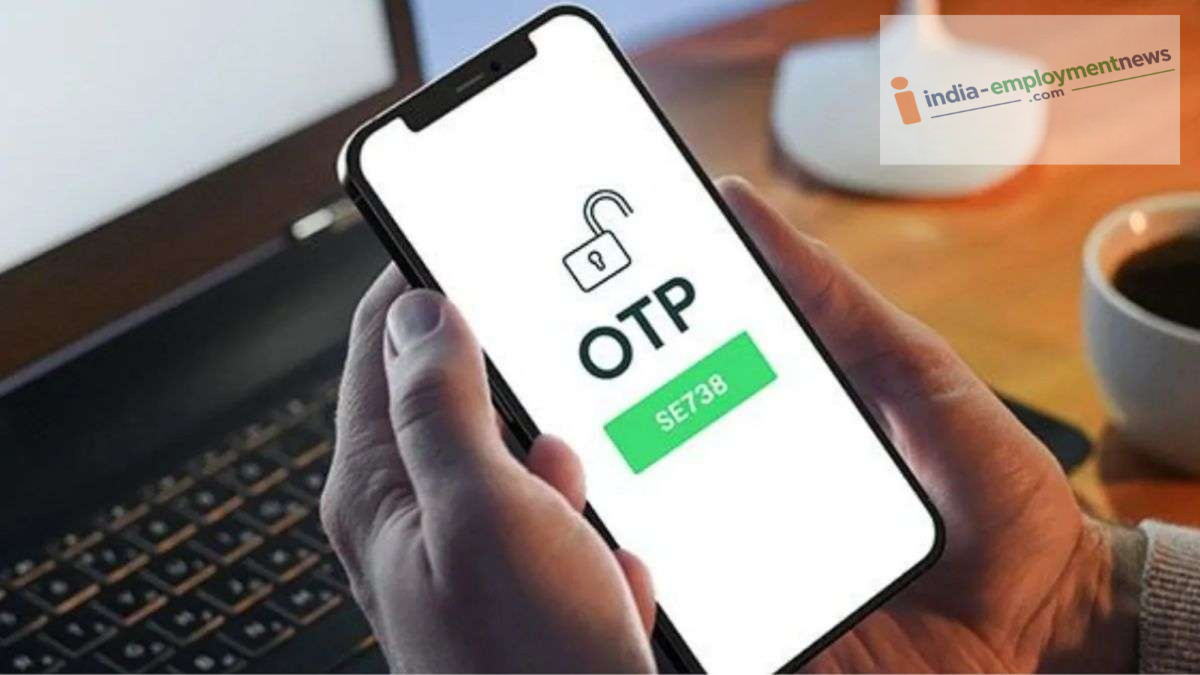
A small habit—using an OTP the moment it arrives on your phone without reading the full message—can lead to significant financial loss. To address this, the Telecom Regulatory Authority of India (TRAI) is introducing a major change to OTP-related protocols.
Currently, when an OTP arrives on our phones, we often fail to read the entire message. We simply glance at the code appearing in the notification bar, use it, and move on. However, online fraudsters are exploiting this haste and carelessness. To curb the rapidly rising incidents of cyber fraud and OTP scams in the country, TRAI is preparing to implement a significant overhaul.
TRAI is developing a new plan to revamp the entire OTP delivery system and message format. Once implemented, the way OTPs appear on your phone will change entirely, enabling users to easily distinguish between genuine and fraudulent messages.
What will the new format look like?
A key aspect of this new initiative is that, in the future, an OTP will no longer appear in the notification bar or on the lock screen preview. To view the code, you will be required to open your phone’s messaging app and access the message itself. This will prevent individuals standing nearby—or scammers using screen-sharing apps—from stealing your OTP.
Furthermore, TRAI is establishing a standardized format for OTPs sent by banks, e-commerce companies, and digital platforms. Under this new structure, the message must explicitly state the purpose of the code—whether it is for a login, a financial transaction, or another action. Additionally, the message will clearly indicate the identity of the sender and the validity period of the code.
Why This Step Was Necessary
Why did TRAI feel the need to introduce such a significant regulation for something as simple as an OTP (One-Time Password) message? The answer might come as a shock. According to data from the National Cyber Crime Reporting Portal, approximately 2.62 lakh complaints of online fraud were registered in 2021.
By 2025, this figure had surged to over 24.02 lakh. Even more alarming is the fact that the total amount lost by ordinary citizens in these online scams has climbed from ₹551 crore to ₹22,495 crore.
While these figures encompass all types of cybercrime, the OTP is frequently used as the primary tool for such fraud. Scammers often manipulate victims into sharing their payment OTPs, and users—without reading the message—end up disclosing the code. To curb this, the messaging system is now being refined.
Will This New Regulation Stop the Scams?
The question remains: will merely changing the format completely eliminate cyber fraud? Cybersecurity experts suggest that as the new format is implemented, cunning scammers will likely adapt their tactics and modify how they craft their fraudulent messages. Furthermore, fraudsters are increasingly targeting victims through apps like WhatsApp and Telegram, rather than relying solely on standard SMS. Nevertheless, this initiative by TRAI will certainly help raise public awareness.
When a user is prompted to open the messaging app to view the full content, they will be able to see the entire text and understand the specific purpose for which the code was sent. To keep your hard-earned money safe, never share an OTP during an unsolicited call. Additionally, if you receive an OTP from your bank when you haven’t initiated any transaction, check your account immediately.
