
TRAI Smart TV Rules: Regulation of Apps on Smart TVs – Potential Benefits and Drawbacks
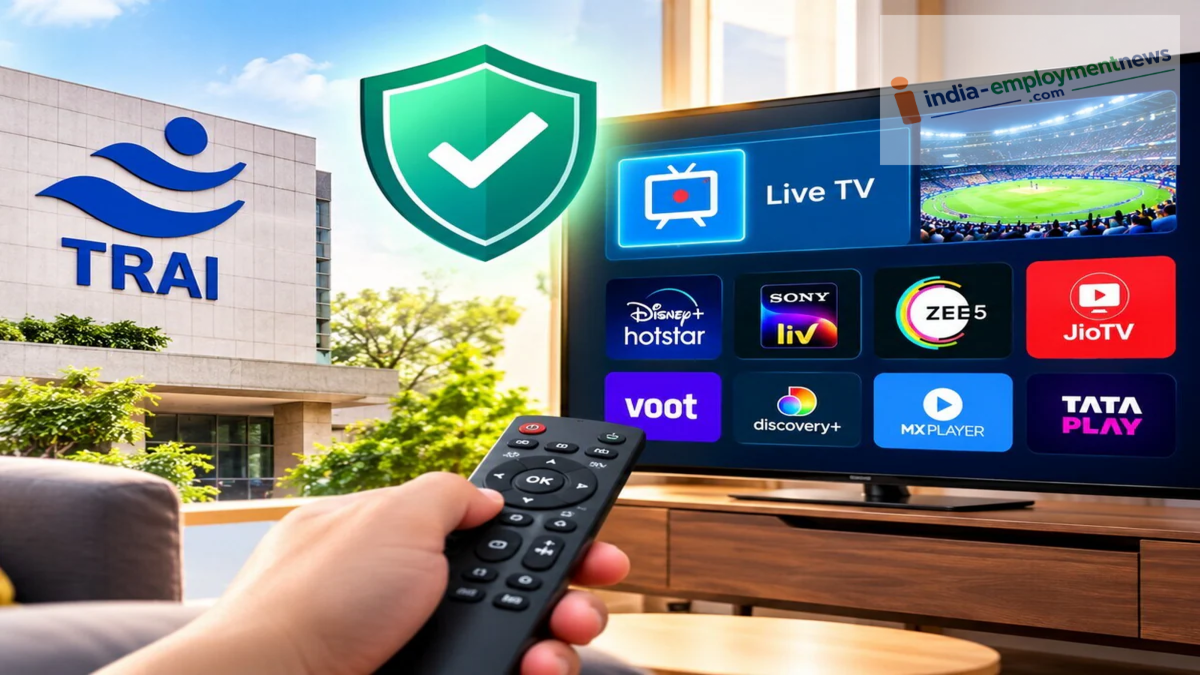
The Telecom Regulatory Authority of India (TRAI) has proposed making government approval mandatory for apps that stream live TV channels over the internet. Let’s explore the details of this proposal and its potential advantages and disadvantages.
TRAI Smart TV Rules: The Telecom Regulatory Authority of India (TRAI) has proposed that apps streaming live TV channels via the internet must obtain government approval. If the government accepts these recommendations, smart TV manufacturers and the providers of their operating systems will be required to ensure that only authorized live TV apps are available on their platforms. This could impact everything from how app developers operate to the choices available to viewers. Let’s examine the potential benefits and drawbacks of this proposal.
What is TRAI’s new proposal?
On October 26, 2026, TRAI recommended the creation of specific regulations for apps that stream live TV channels over the internet. Under this framework, apps that broadcast TV channels according to a set schedule via the internet would be required to obtain government permission. This includes Free Ad-Supported Streaming Television (FAST) services, which allow viewers to watch live channels for free, supported by advertisements. The proposal focuses on apps that aggregate various TV channels in one place; it does not apply to platforms like Netflix, where users select and watch specific movies or web series of their choice.
What will be the responsibility of smart TV companies?
According to the proposal, the Ministry of Information and Broadcasting will maintain a centralized list of authorized 'ALTD' (Apps streaming Live TV Channels over the Internet) apps. Smart TV manufacturers, device companies, and operating system providers will be required to use this list to determine which services are made available on their app stores and devices. Furthermore, they will be obligated to submit an annual report to the Ministry confirming their compliance with these regulations. This means that apps lacking the necessary approvals could potentially be barred from being made available on smart TVs, although this proposal has not yet been implemented.
What are the benefits?
The primary advantage of this proposal is that it would provide a formal mechanism for viewers watching live TV on smart TVs to lodge complaints. If users encounter issues—such as problems with channel playback—they will be able to contact the company operating the app directly. Furthermore, viewership data for TV channels accessed via the internet will be incorporated into TV ratings, which could help in better understanding the preferences of those who watch TV online.
What are the drawbacks?
A potential downside is that users might have fewer app options available for watching live TV on their smart TVs. Additionally, app developers may face increased costs and the need to invest extra time to secure government approvals and ensure compliance with regulations. However, it remains unconfirmed whether these rules will lead to a reduction in the number of free channels available to viewers or an increase in the overall cost of watching TV.
