
The way we make calls and send messages will change from 2026, with the introduction of CNAP and SIM-Binding rules..
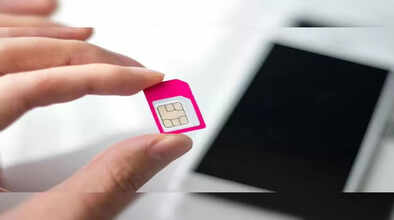
SIM Binding Rules 2026: In light of the rising cases of cyber fraud in India, the government is now preparing to take significant and lasting steps. The new CNAP and SIM-binding rules, set to be implemented by 2026, could change the calling and messaging experience for ordinary users. These rules aim to curb fake calls, impersonation fraud, and scam networks operating from abroad. Telecom and digital regulators are now working together to strengthen security at the system level.
Government's Strict Stance on Cyber Fraud
In recent years, cyber fraud has become a serious social and economic problem for India. People have lost their life savings to fraudulent investment schemes, phishing calls, and scams where fraudsters impersonate bank officials. In many cases, the mental stress has led victims to take extreme measures. A large number of these frauds are operated from abroad, making action and recovery of money difficult. This is why the RBI, NPCI, TRAI, and the Department of Telecommunications are now working together.
What is CNAP and How Will It Work?
Caller Name Presentation (CNAP) aims to increase trust in calls. In this system, as soon as a call comes in, the receiver's screen will display the verified name of the caller. This name will be taken from the KYC (Know Your Customer) information submitted at the time of SIM purchase. This will prevent scammers from easily deceiving people by posing as bank officials, government employees, or acquaintances. TRAI has already instructed telecom companies to begin pilot testing of CNAP and plans to make it a default feature by the beginning of 2026.
SIM-Binding to Curb Messaging Fraud
The second major change concerns fraud related to messaging apps. Currently, scammers use Indian numbers to operate WhatsApp or other apps, but remove the SIM after committing the fraud. Under the SIM-binding rules, the physical SIM card associated with the number used to create the account must be active in the phone. If the SIM is removed or deactivated, the messaging account will also stop working. The Department of Telecommunications had given the platforms 90 days to implement this in November, and the system could become commonplace by 2026.
What will be the impact on users' daily lives?
These new rules will provide ordinary people with clearer information before receiving calls and reduce the fear of unknown callers. It will also become more difficult to operate fake accounts and scam networks on messaging apps. However, some users may need time to adapt to the technical changes initially. Overall, this move by the government is considered a major step towards strengthening digital security and building a trustworthy telecommunications system.
Disclaimer: This content has been sourced and edited from TV9. While we have made modifications for clarity and presentation, the original content belongs to its respective authors and website. We do not claim ownership of the content.
