
Tech: What is the difference between MP3 and MP4? Most people don't know the difference between the two..
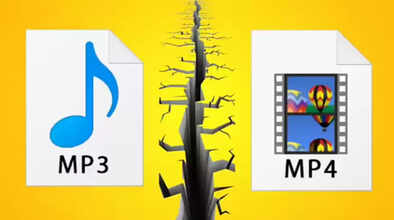
MP3 and MP4 Difference: MP3 and MP4 are two names that are commonly heard by people interested in the tech world. However, many people still don't know the difference between MP3 and MP4 files. Although their names sound similar, there is a significant difference. Have you ever wondered why songs and videos play differently on your phone? MP3 and MP4 are responsible for this. Let's understand the difference between the two in detail.
What is MP3?
It is a type of audio file, designed to store only sound or music. Its full name is MPEG Audio Layer-3. This file is very small because it removes certain sounds that are imperceptible to the human ear. This maintains good sound quality while reducing the file size. MP3 was introduced in 1993 and quickly became popular because people could easily save songs from CDs to their computers. Even today, MP3 files play easily on most music players and phones.
What is MP4?
MP4 is a multimedia container that can store video, audio, subtitles, and images. Its full name is MPEG-4 Part 14. It stores not only audio but also the entire video file. MP4 was introduced in 2001, and an improved version was released in 2003. It stores both video and audio in good quality with a smaller file size. Most videos on sites like YouTube and Netflix are in MP4 format because they are good for streaming. Even if a file contains only audio, MP4 can be used, but it is generally used for videos.
What is the difference between MP3 and MP4?
The biggest difference between MP3 and MP4 is that MP3 is only for audio, while MP4 is for both video and audio. MP3 files are always smaller because they contain only audio. MP4 files are larger because they contain video. If you only want to listen to music, an MP3 is better because the file is smaller and compatible with most devices. If you want to watch videos, then MP4 is the option. MP4 files can include extra features like subtitles and chapters. Nowadays, they are supported by most phones and computers.
