
Tech Tips: Mounting a smart TV on the wall or placing it on a stand—which method should you choose?
Smart TV Tips:
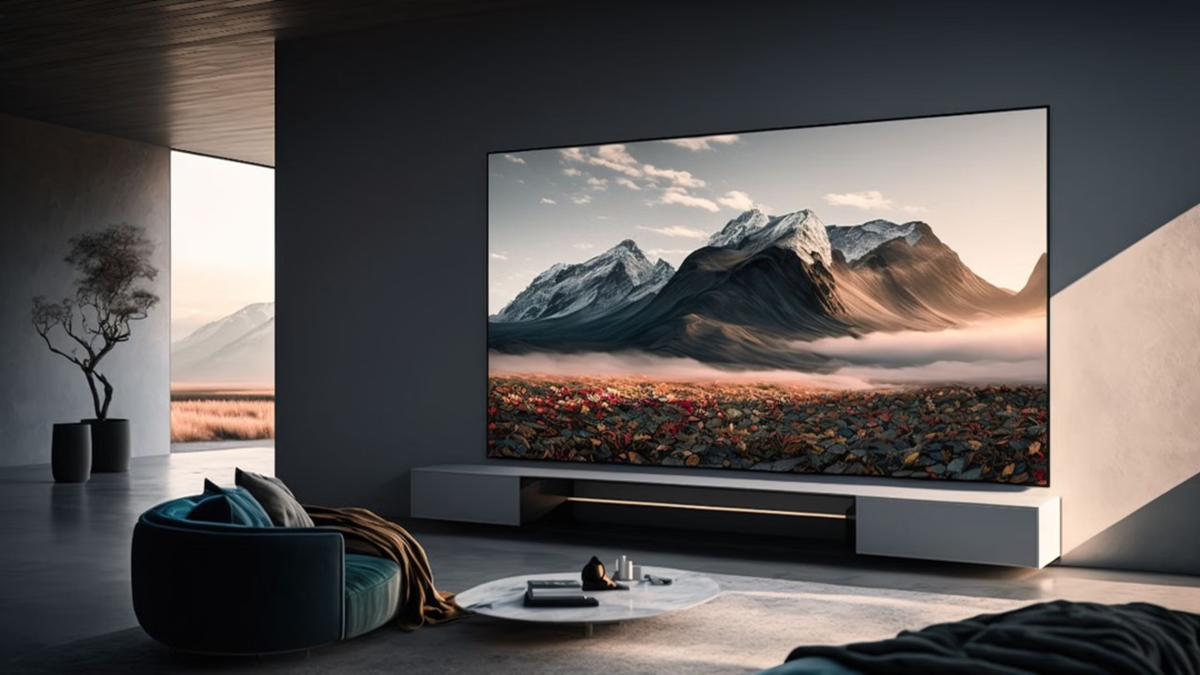
After buying a new TV, the next big question is often whether to mount it on the wall or place it on a stand. A wall-mount setup can give your home a cleaner, more premium look, but it isn't the most convenient option for every room or user—especially if multiple devices are connected to the TV or if you plan to change the setup in the future.
Wall mounts look great but come with challenges.
A wall-mounted TV saves space and keeps the setup looking organized. If cables and other devices are concealed beneath the TV, the overall appearance is very neat. However, the biggest issue lies in accessing the ports located at the back of the TV. You might often need to remove the TV from the mount just to change HDMI, USB, or other connections.
For instance, if you buy a new gaming console or need to replace an old HDMI cable, reaching behind a TV that is flush against the wall isn't easy. Additionally, if you want to hide all the wires, you might need cable trunking or other cable management systems.
Relocating the TV isn't easy.
Another major downside of wall mounts is that the TV's location becomes somewhat fixed. The spot chosen initially might become inconvenient later if you rearrange the room's furniture. Moving the TV to another wall would require drilling new holes, and the holes left behind at the old location could spoil the room's finish.
Consider height and viewing angle.
When mounting a TV, both the height and the viewing angle are crucial. If the screen is mounted too high or the angle doesn't align well with your seating area, watching TV for extended periods can become uncomfortable. Movable or adjustable mounts can mitigate this issue compared to standard fixed mounts, though they tend to be more expensive and slightly more complex to install.
What are the benefits of placing the TV on a stand?
If you frequently change your TV setup, a tabletop stand might be the more convenient option. It makes moving the TV and accessing the ports at the back relatively easy.
Many modern stands offer features like cable management and adjustable height. Some floor stands even allow the screen to swivel, making it easier to watch TV from different seating positions. Floor stands with wheels are particularly useful for those who want to move the TV from one room or area to another as needed.
What is better for gamers and users with multiple gadgets?
If you have devices like gaming consoles, soundbars, set-top boxes, or streaming devices constantly connected to your TV, a stand setup might be more convenient. It makes swapping cables and adding new devices easier. On the other hand, if your priority is a clean look, saving space, and keeping the TV in a fixed location, a wall mount could be the better choice.
Decide this before installing your TV
Mounting the TV on the wall versus placing it on a stand isn't just a design choice. You should also consider factors like room size, viewing distance, viewing height, connected devices, and the possibility of rearranging furniture in the future.
If you frequently change your TV setup, use multiple gadgets, or need easy access to ports, a stand might be more practical. However, if you prefer a permanent, clutter-free setup, a wall mount—installed at the right height using a quality mount—could be the better option.
Disclaimer: This content has been sourced and edited from Amar Ujala. While we modified it for clarity and presentation, the original content belongs to its respective authors and website. We do not claim ownership of the content.
