
Tech Tips: Does a 120Hz display really consume more battery? Clear up the confusion..
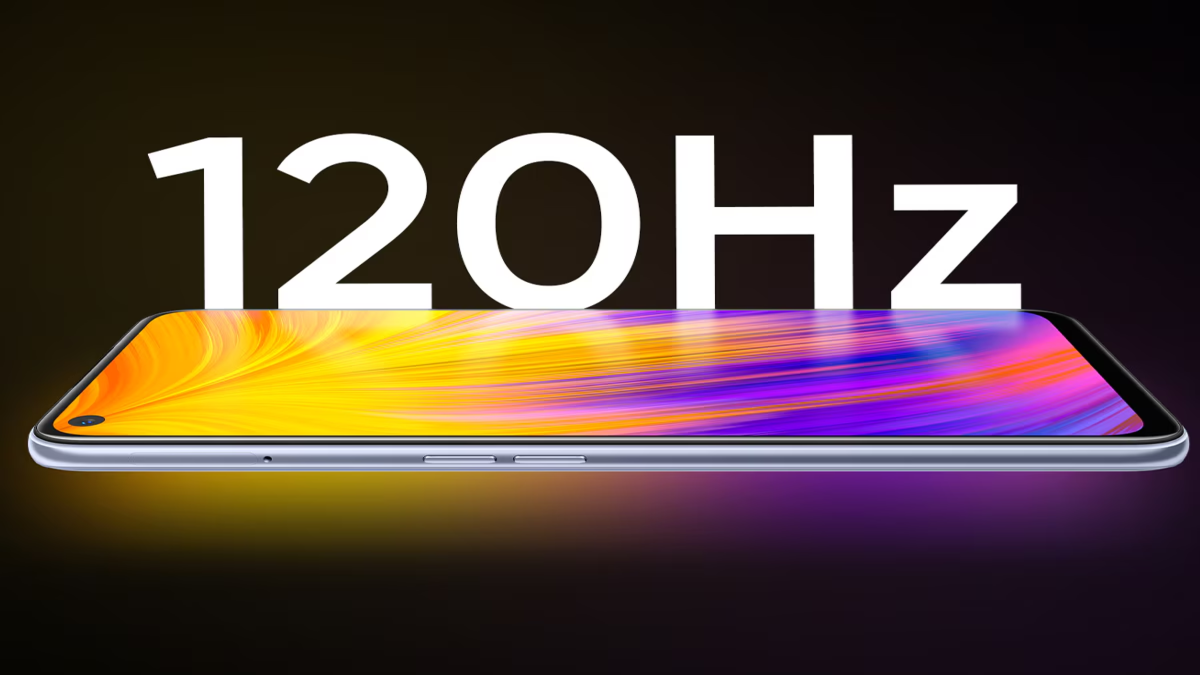
Nowadays, not just premium phones, but most budget and mid-range smartphones also come with support for a refresh rate of up to 120Hz. Manufacturers include this feature to provide smoother scrolling, a better gaming experience, and superior visuals. However, many people wonder: does using a 120Hz display cause the phone's battery to drain faster?
The short answer is yes, as a 120Hz refresh rate can consume more battery under certain conditions. That said, the extent of this impact depends on factors like the phone's display technology, brightness levels, and how the device is used.
How does a 120Hz display consume more battery?
A refresh rate refers to how many times per second the display updates the image on the screen. While a 60Hz display refreshes 60 times per second, a 120Hz display can refresh 120 times per second. A higher refresh rate makes scrolling and animations appear much smoother, but refreshing the screen more frequently requires extra power. This is particularly noticeable during activities like prolonged gaming or continuous scrolling through social media.
Does this lead to faster battery drain on every mobile device?
Not necessarily. Many devices with 120Hz displays now feature an "Adaptive Refresh Rate." This allows the display to automatically adjust the refresh rate based on the task at hand—increasing it during fast-paced actions like scrolling, and lowering it when viewing static content (such as a still image). This helps reduce overall battery consumption.
Disclaimer: This content has been sourced and edited from Dainik Jagran. While we have made modifications for clarity and presentation, the original content belongs to its respective authors and website. We do not claim ownership of the content.
