
Tech Tips: Can a Tablet Replace a Laptop? Know All the Pros and Cons Before Making the Switch
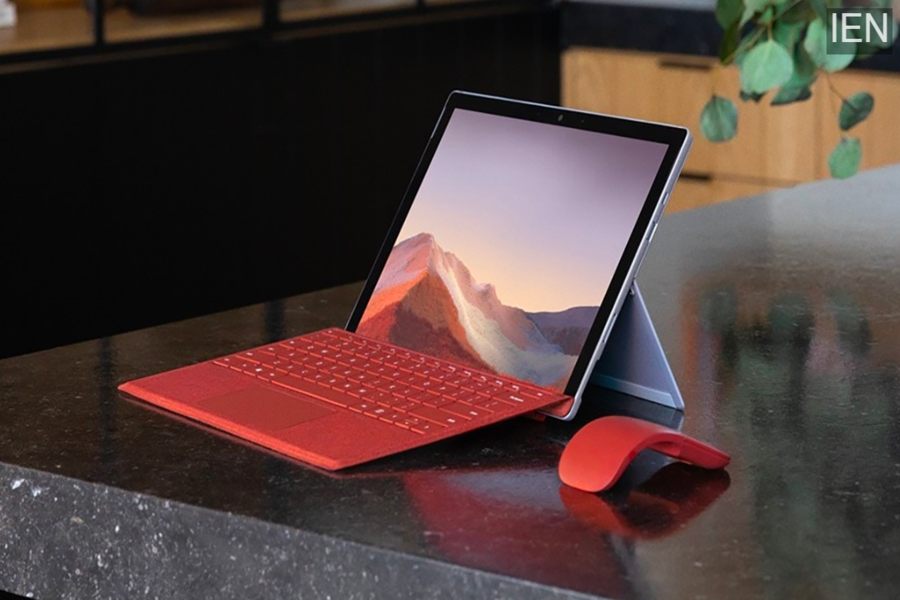
Can a Tablet Replace a Laptop? The question of whether a tablet can take the place of a laptop often crosses people's minds. Tablets come with both advantages and disadvantages. In many instances, however, they can prove to be the superior choice.
Can a Tablet Replace a Laptop? Are you considering replacing your old laptop with a tablet? If your answer is yes, you are not alone. Many people are looking to use a tablet instead of a laptop. Nowadays, the market offers numerous powerful tablet options that can, in many respects, serve as a substitute for a laptop. However, making this switch is not quite as simple as it might appear. Today, we will walk you through the pros and cons of tablets compared to laptops, and identify the specific tasks for which you can successfully swap your laptop for a tablet.
First, Let's Look at the Advantages of Tablets:
Portability – Compared to laptops, tablets are thinner and lighter. Consequently, they are easier to carry and transport from one place to another. If you travel frequently, a tablet can be an excellent option.
Battery Life – In terms of battery life, tablets also outperform laptops. While most laptops last between 4 to 8 hours on a single charge, tablets can easily run for 8 to 12 hours. This means you will have less to worry about regarding recharging your device while traveling.
Touch Interface – If your primary tasks involve activities such as web browsing, reading, or photo editing, a tablet may be the better choice. Its touch interface provides easy access to every piece of software and every app. Although many modern laptops also feature touchscreens, they typically come with a higher price tag.
Accessories – Tablets also hold a significant edge when it comes to accessories. They often come bundled with detachable keyboards and styluses—accessories that are typically not included with a standard laptop.
What Are the Disadvantages of Tablets?
Difficulty with Heavy Workloads – If you intend to engage in tasks such as video editing, coding, gaming, or other intensive operations, a laptop remains the undisputed champion; there is simply no substitute for it. For such heavy-duty tasks, you will require a high-end laptop. These tasks cannot be completed on a tablet.
Limited Connectivity Features – Laptops offer a wider range of connectivity options compared to tablets. With a laptop, you can utilize external drives and monitors. Tablets, on the other hand, feature fewer ports and rely more heavily on wireless connectivity.
Lagging in Multitasking – Although tablets come equipped with powerful processors, they cannot compete with laptops when it comes to multitasking. Similarly, handling large files, external drives, and similar tasks is much easier on a laptop.
Tasks Where a Tablet Can Replace a Laptop
General Use – If you primarily need to perform basic tasks—such as internet browsing, checking emails, reading, or making video calls—a tablet can serve your needs effectively.
Content Consumption – If you are looking for a device primarily for watching movies, web series, and similar content, a tablet may prove to be a better choice for you than a laptop.
