
Tech Tip: Why is there a small hole near your phone's charging port? Those who understand SIM trays should definitely read this..
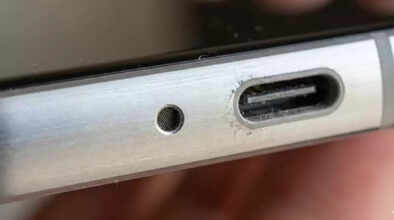
You must have noticed a very small hole near the charging port of your mobile phone. Many people mistake it for a SIM tray or a reset hole, but it's actually a very important part of the phone that directly affects your call and voice quality. Let's find out what this small hole does in your smartphone.
Why is there a hole near the charging port?
In most smartphones, this hole near the charging port is actually the primary microphone. This microphone is responsible for clearly capturing your voice during calls, voice messages, video recording, and audio recording.
Why do some phones have two microphones?
Many advanced smartphones today have more than one microphone. One hole houses the primary microphone, while the other contains a noise-canceling microphone. This is what we are discussing here. The primary mic records your voice, while the second one captures and cancels out ambient noise such as wind, traffic, or crowd noise. This makes your voice sound better to others during calls and also reduces noise in video recordings.
How does noise cancellation work?
The phone's software processes the sound received from both microphones. Unwanted background noise is removed, and only your voice is transmitted to the other person. This is why call quality has improved significantly, even in budget smartphones today. Many phones also have microphones located at the top.
Why is the microphone placed at the bottom?
The reason for placing the microphone at the bottom of the phone is the ergonomic design. When you hold the phone to your ear to talk, the bottom part is closest to your mouth. This ensures that your voice is recorded clearly, distinctly, and accurately.
Inserting anything into this hole can be very damaging.
Many people mistakenly insert a pin or a sharp object into this hole, thinking it's the SIM tray. Doing so can be extremely harmful. It can damage the microphone and the internal circuitry, completely affecting calling and audio features.
Disclaimer: This content has been sourced and edited from Amar Ujala. While we have made modifications for clarity and presentation, the original content belongs to its respective authors and website. We do not claim ownership of the content.
