
Task Fraud Alert: Online Scammers Are Targeting Youth With Fake Work Rewards—Stay Safe With These Tips
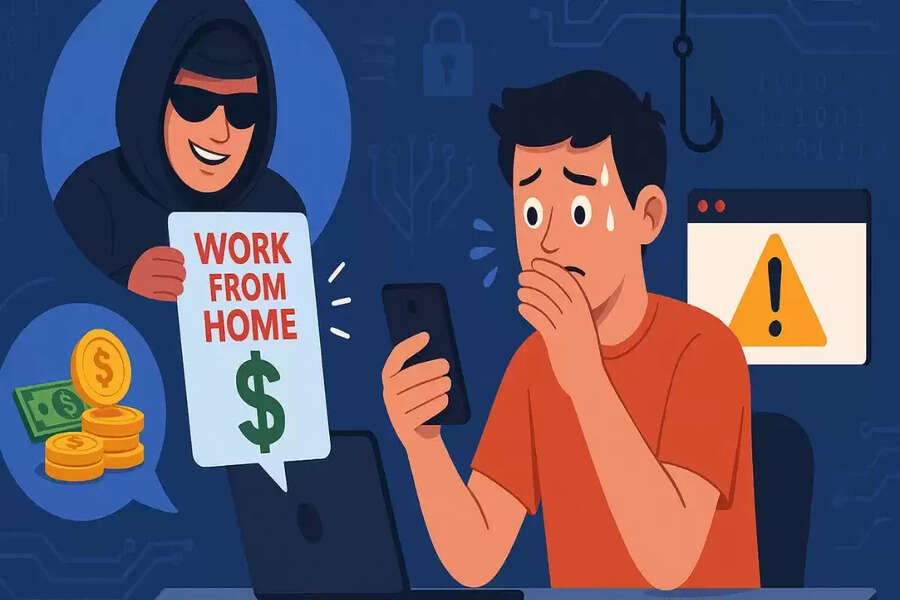
Online cybercrime is rising at an alarming pace, and a recent incident from Mumbai has once again highlighted how dangerous digital fraud can become. A 17-year-old teenager allegedly died by suicide after falling victim to a task-based online scam, commonly known as task fraud, where criminals lure people with small payments for completing simple online tasks and later demand large sums of money.
According to the police investigation, the teenager initially received small payments, gaining his trust. But soon after, the scammers demanded ₹49,000 and pressured him for additional payments without returning the earlier money. Feeling trapped and helpless, he took an extreme step.
The boy’s father informed police that he had gifted him a mobile phone after he passed Class 12. When the police examined the device, they found online chats that exposed the scam network. Based on this evidence, an FIR has been registered against eight individuals involved in the racket. The case stands as a serious reminder of the growing threat of cyber fraud, especially against young and digitally active individuals.
What Is Task Fraud and How Does It Work?
Task fraud is a new type of online scam where criminals contact victims through WhatsApp, Telegram, Instagram, Facebook or other social media platforms and offer small online tasks, such as:
-
Rating apps or YouTube videos
-
Filling out feedback forms
-
Writing reviews
-
Promoting social media posts
To build confidence, the scammer sends a small payment initially—usually ranging from ₹100–₹500. Once victims gain trust and start participating actively, the criminals introduce high-value tasks requiring advance payment or “deposit for commission.”
After collecting the money:
-
They disappear,
-
Block the victim,
-
Or continue pressuring them for more payments.
Many victims hesitate to seek help due to shame or fear and end up losing huge amounts of money.
Police Investigation Findings
As per a report in The Indian Express, Mumbai’s GRP cybercrime unit recovered digital chats and transaction records during the phone analysis. The evidence confirmed that the teenage victim had been manipulated by the fraudsters for weeks. Authorities have registered a case against eight suspects and launched further investigation to track the entire network.
Police officials have described the case as a strong warning about digital exploitation and stressed that people must identify online fraud patterns before engaging with unknown contacts.
How to Protect Yourself from Task Fraud
To avoid becoming a victim, cyber experts recommend the following safety measures:
🔒 Safety Tips
-
Do not trust online offers from unknown individuals
-
Never pay money upfront for completing tasks
-
Avoid clicking suspicious links or joining unknown Telegram/WhatsApp groups
-
Verify the sender and the source before engaging
-
Use secure payment channels and never share personal details
-
Report suspicious activities to police cyber helpline immediately
-
Educate children and teenagers about digital risk
Indian cybercrime units repeatedly warn that scams are evolving rapidly and criminals often use psychological pressure, urgency and fake rewards to trap victims.
Increasing Cases of Online Fraud
This is not the first such case. In July this year, another youth reportedly died by suicide after losing money in a similar cyber-task fraud. The Kurla GRP had also registered an FIR then. Experts say such cases have sharply increased over the past year due to rising unemployment stress and widespread mobile accessibility.
The real danger lies in the emotional and financial manipulation involved—scammers target students, unemployed individuals and homemakers by promising quick income with zero effort.
Final Takeaway
Online fraud is becoming more sophisticated every day. While digital platforms provide opportunities for growth and income, they also come with serious risks. Awareness, caution and responsible online behavior are essential to stay protected.
If you or someone you know has faced such fraud, report it immediately through:
-
Cyber Crime Helpline: 1930
-
Official Government Portal: cybercrime.gov.in
Stay alert, stay informed—and don’t fall for quick-money traps.
