
Spam calls using constantly changing numbers? TRAI will now track the pattern; violators face a one-year blacklist..
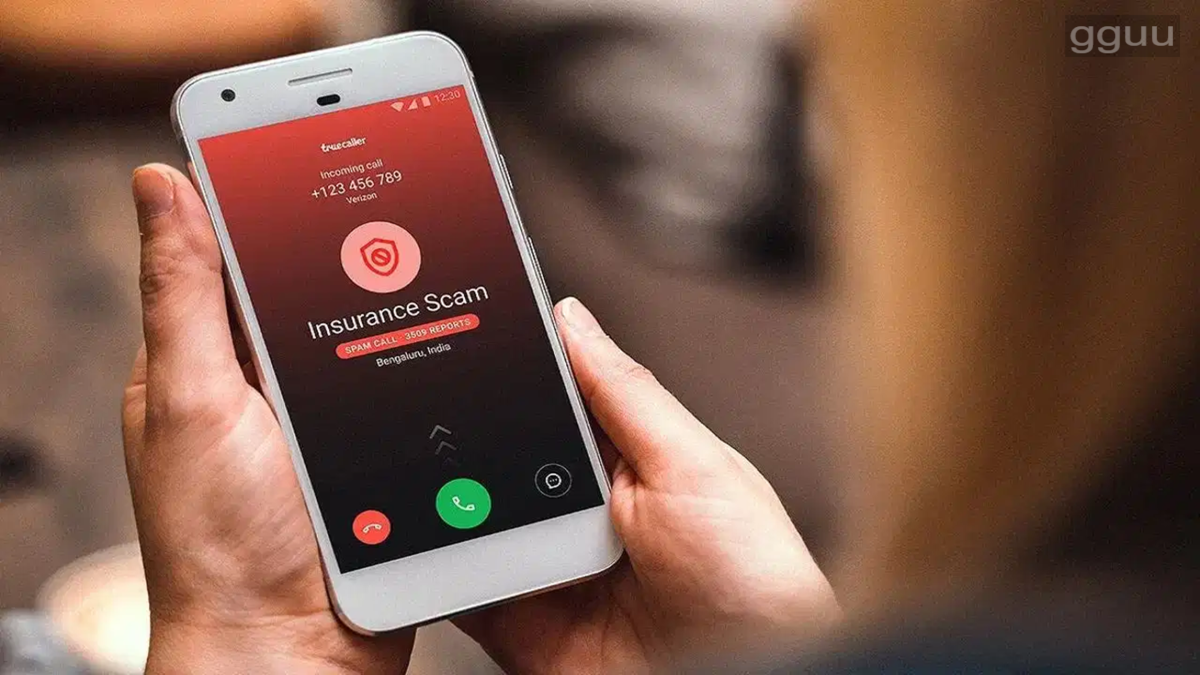
You might be busy preparing a presentation or attending a meeting when the phone suddenly rings. Assuming it isn't urgent, you answer, only to hear a voice asking if you are looking for property, offering a credit card or loan, or inquiring about your insurance policy. You hang up—sometimes in frustration, other times politely—only to receive a similar call from a different number shortly after. If such calls are a daily headache for you, TRAI has now tightened regulations to curb them.
**Monitoring not just the number, but the calling method too**
TRAI has strengthened the mechanism for dealing with unwanted commercial calls. Under the new system, commercial calls such as robocalls, auto-dialed calls, and pre-recorded messages have been brought under the regulatory ambit. This means authorities will no longer look merely at the originating number; they will also monitor calling patterns and the volume of calls made from a specific number. TRAI and telecom companies will employ AI-based spam detection to quickly identify suspicious calling patterns.
**Three complaints in 10 days could trigger action**
Previously, a higher number of complaints was required to initiate action against a spam-calling number. Now, an investigation and subsequent action against suspicious numbers can be triggered by just three consumer complaints within 10 days, combined with indicators like AI-based detection. Telecom companies can also share information regarding suspicious numbers with one another.
**Blacklisting for repeated violations**
Telemarketers who repeatedly violate the rules can be blacklisted for up to one year. This means that shutting down one number and resuming the same activity from another will no longer be as easy as it used to be.
**5 paise per minute for automated commercial calls**
The new system also includes a provision for termination charges on A2P (Application-to-Person) calls. Under this measure, telecom operators may also levy a termination charge of up to 5 paise per minute on automated commercial calls to discourage the practice of making such calls in large volumes. Essentially, any system or application that initiates mass automated calls will come under regulatory scrutiny.
What changes for you?
If you receive frequent spam calls, simply blocking the number isn't enough; if you also report it as spam and register a complaint, more data reaches telecom companies and regulators. This makes it easier to identify patterns associated with spam and fraudulent calls.
The real shift lies in the pattern, not the number.
A spammer might call from one number today and use a different one tomorrow. However, if the system detects a consistent calling pattern across different numbers, action will not be limited to just a single phone number. The focus is no longer just on blocking a number and moving on; it is about monitoring the spammer's entire calling pattern.
Disclaimer: This content has been sourced and edited from TV9. While we have made modifications for clarity and presentation, the original content belongs to its respective authors and website. We do not claim ownership of the content.
