
Social Media Scam Alert: Fraudsters Using Facebook and Instagram to Impersonate Users and Steal Money
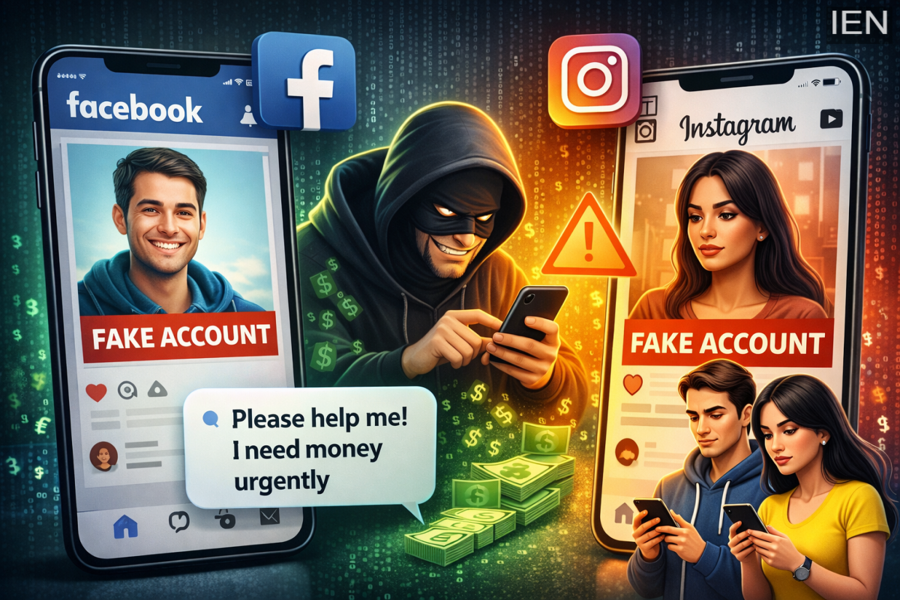
In today’s digital world, social media platforms like Facebook and Instagram have become an essential part of everyday life. While they help people stay connected, they are also increasingly being exploited by cybercriminals. One of the fastest-growing threats is the impersonation scam, where fraudsters create fake identities to trick users and steal money.
With a rising number of such cases being reported, experts are urging users to stay alert and understand how these scams work.
What Is an Impersonation Scam?
An impersonation scam is a type of cyber fraud where criminals pretend to be someone you know—such as a friend, relative, or even a public figure. They copy profile pictures, names, and personal details to create fake accounts that look almost identical to genuine profiles.
Once the fake identity is set up, scammers reach out to the victim’s contacts, pretending to be that person and asking for money under false pretenses.
How Do These Scams Typically Work?
These scams usually follow a simple but effective pattern:
- Fraudsters copy photos and details from a real profile
- They create a duplicate or fake account using the same identity
- Friend requests are sent to the victim’s contacts
- Once accepted, they start conversations to build trust
- They then request money, often citing emergencies or urgent needs
- Payments are usually asked via UPI, wallets, or bank transfers
Because the request appears to come from someone familiar, many people fall into the trap without verifying the authenticity.
Why Are People Falling for It?
The success of these scams lies in emotional manipulation and trust. Scammers often create urgency—such as medical emergencies, travel issues, or financial distress—to push victims into making quick decisions.
Additionally, fake profiles are becoming increasingly sophisticated, making it difficult for users to distinguish between real and fake accounts.
Warning Signs You Should Never Ignore
To stay safe, watch out for these red flags:
- A duplicate account of someone already in your friend list
- Recently created profiles with very few posts or followers
- Messages asking for money urgently
- Requests to transfer money to unknown accounts or wallets
- Unusual communication style from someone you know
How to Protect Yourself from Impersonation Scams
Taking a few simple precautions can save you from major financial loss:
1. Always Verify Requests
If someone asks for money, confirm their identity through a phone or video call before taking any action.
2. Check Profile Details Carefully
Look for inconsistencies such as new accounts, limited activity, or mismatched information.
3. Avoid Accepting Unknown Requests
Do not accept friend requests from unfamiliar or suspicious profiles, even if they appear similar to known contacts.
4. Strengthen Your Privacy Settings
Limit who can view your profile information, photos, and friend list.
5. Report Suspicious Accounts Immediately
If you come across a fake account, report it on the platform and notify the concerned person as well.
What to Do If You Become a Victim?
If you have already fallen victim to such a scam:
- Immediately report the incident on the National Cyber Crime Portal
- Call the helpline number 1930 for quick assistance
- Inform your bank or payment provider to block further transactions
- File a complaint with your local police
Timely reporting can increase the chances of recovering your money and preventing further fraud.
Final Thoughts
As social media continues to grow, so do the risks associated with it. Impersonation scams are a clear reminder that digital awareness is just as important as connectivity.
Staying cautious, verifying information, and acting quickly can help you avoid becoming the next victim. Remember, a moment of vigilance can save you from significant financial and emotional loss.
