
Smartphone Tips: Do you also charge your phone to 100%? Find out its biggest drawback..
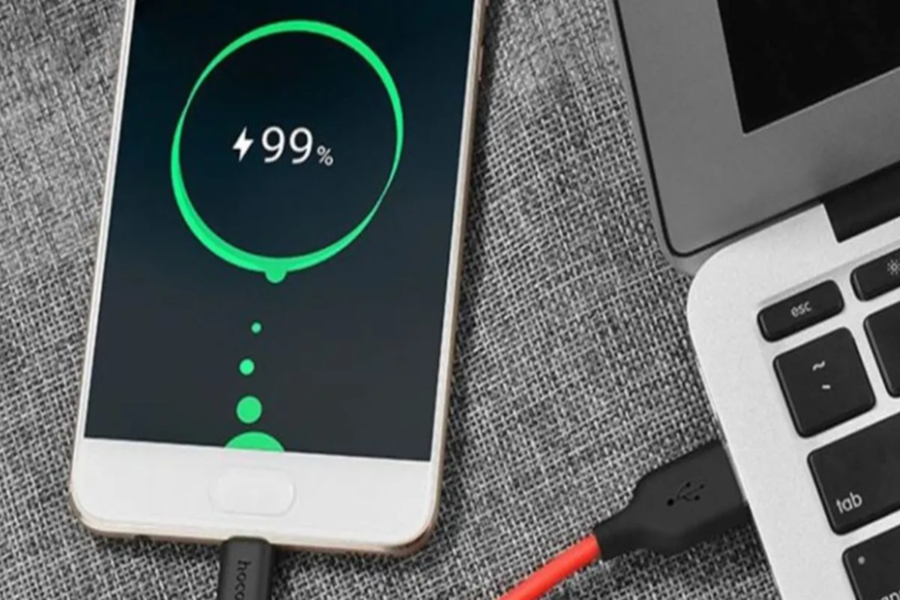
In today's world, a smartphone is no longer merely a device for making calls; it has become an integral part of our entire lives. Consequently, rapid battery drain is emerging as one of people's biggest frustrations. Most users leave their phones charging overnight, starting their day with a 100% battery level; however, this very habit can gradually diminish the phone's battery life. Tech experts suggest that consistently charging a phone to full capacity places increased strain on the battery over the long term. Although modern smartphones are equipped with various safety features, adopting proper charging habits remains crucial. Therefore, it is essential to understand whether or not one should charge a phone to 100%.
Why is Charging to 100% a Bad Habit?
Almost all modern smartphones come equipped with lithium-ion batteries. While these batteries naturally lose capacity over time, certain poor habits can accelerate this degradation process. The battery experiences increased stress when the phone charges from the 80% mark up to 100%. If this occurs consistently, the battery may begin to drain rapidly after just a few months, and its overall performance could suffer. Although newer smartphones are sophisticated enough to manage overcharging, this does not imply that charging to full capacity every day is entirely risk-free. To maintain optimal battery health over the long term, it is considered advisable to avoid this habit.
The 20-80 Charging Rule
Adopting the "20-80 charging rule" can be highly beneficial for your smartphone. This is because keeping a smartphone's charge level between 20% and 80% is considered the safest approach. Within this range, the battery experiences less stress, and the charge cycles are completed more gradually. As a result, the battery remains in good condition for a longer period, and the phone's overall performance remains superior over time. For this very reason, many major companies have now begun incorporating "charging limit" features into their smartphones. Brands such as Apple and Samsung offer users the option to set a charging limit, allowing them to stop the charging process once the battery reaches 80% or 90%. This feature is considered particularly useful for those who intend to use their phone for an extended period.
**Small Mistakes Can Cause Significant Damage**
To maintain the health of a smartphone's battery, not only is the charge percentage important, but the method of charging is also crucial. Many people charge their phones under a pillow or in an enclosed space, which can cause the device to overheat. Excessive heat is considered the battery's greatest enemy and can lead to a rapid decline in its lifespan. Furthermore, playing games or using heavy-resource apps while charging also causes the phone to heat up. Experts consistently recommend using original or high-quality chargers, as substandard chargers can damage both the battery and the phone itself. If the phone becomes excessively hot while charging, it is advisable to immediately disconnect the charger.
**Charging Limit Feature on iPhones**
In newer iPhone models, Apple has introduced features such as "Optimized Battery Charging" and "Charge Limit." By analyzing the user's charging habits, this feature aims to prevent the battery from remaining at 100% charge for longer than necessary. This feature can be enabled by navigating to the "Battery" section within the device settings. Here, users can set a charging limit ranging from 80% to 100%, depending on their specific needs. The primary benefit of this approach is that it reduces the constant, excessive strain placed on the battery. According to Apple, this feature helps preserve long-term battery health and contributes to maintaining optimal phone performance.
**Battery Protection Features on Android Phones**
Battery protection features are no longer exclusive to iPhones; they are now becoming available on Android smartphones as well. Many Android brands offer options such as "Protect Battery" or "Adaptive Charging" on their devices. These features work to prevent the battery from remaining at a full charge for prolonged periods. Users can easily activate these features by accessing the battery settings menu. Some phones, for instance, slow down the charging process overnight, ensuring the battery reaches 100% capacity just around the user's usual wake-up time. Additionally, you can set a limit of 80%, 85%, 90%, or even up to 90%. The purpose of this is to extend the battery's lifespan. If proper charging habits are adopted, a smartphone's battery can remain in excellent condition for several years.
Disclaimer: This content has been sourced and edited from TV9. While we have made modifications for clarity and presentation, the original content belongs to its respective authors and website. We do not claim ownership of the content.
