
Smartphone Refresh Rate: What is a phone's refresh rate, and what is the purpose of this technology?
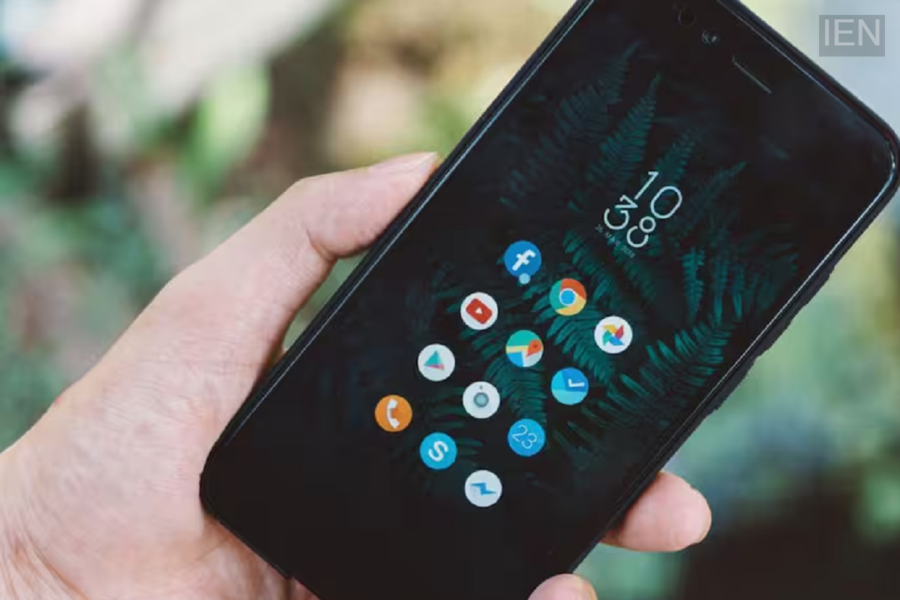
Smartphone Refresh Rate: Over the past few years, smartphone companies have launched phones with 90Hz, 120Hz, and even 144Hz refresh rates. Consequently, this feature is no longer limited to premium phones.
Smartphone Refresh Rate: When buying a smartphone today, most people focus on the camera, battery, processor, and RAM; however, there is a display-related technology that transforms the entire user experience: the refresh rate. As mentioned, smartphone companies have recently introduced devices featuring 90Hz, 120Hz, and even 144Hz refresh rates.
This feature is no longer exclusive to premium phones; it is now readily available in mid-range smartphones as well. Let us explain what a phone's refresh rate is, what this technology does, and why it is important to understand it when purchasing a smartphone.
What is a phone's refresh rate?
Refresh rate refers to how many times a smartphone screen updates or refreshes itself in a single second. It is measured in Hertz (Hz). For instance, if a phone has a 60Hz refresh rate, it means the screen updates 60 times per second. Similarly, a 90Hz screen refreshes 90 times per second, and a 120Hz screen refreshes 120 times per second. In reality, a smartphone screen rapidly cycles through multiple frames, making every movement visible. The more frequently the screen refreshes, the smoother and more fluid the visual experience becomes.
Higher refresh rates are considered better.
On screens with high refresh rates, actions such as scrolling, switching between apps, browsing social media, and viewing animations appear much smoother. This is why, after using a 120Hz display, many users begin to perceive 60Hz screens as sluggish. A higher refresh rate makes every on-screen activity appear more natural and fluid; consequently, smartphone manufacturers highlight this as a crucial feature.
What is the difference between 60Hz, 90Hz, and 120Hz?
A 60Hz refresh rate has long been the standard in the smartphone industry and is still found in many budget smartphones today. It is considered sufficient for routine tasks like calling, messaging, and web browsing. In contrast, a 90Hz refresh rate offers a smoother screen experience compared to 60Hz, enhancing activities such as scrolling through social media, app transitions, and watching videos. Meanwhile, a 120Hz display delivers the most fluid experience of all. The difference is clearly noticeable during gaming, rapid scrolling, and viewing high-frame-rate content. This is why the 120Hz display has become a standard feature in many flagship and mid-range smartphones today.
