
Smart home gadgets can become a gateway for spying! How much of a risk do they pose—from TVs to cameras?
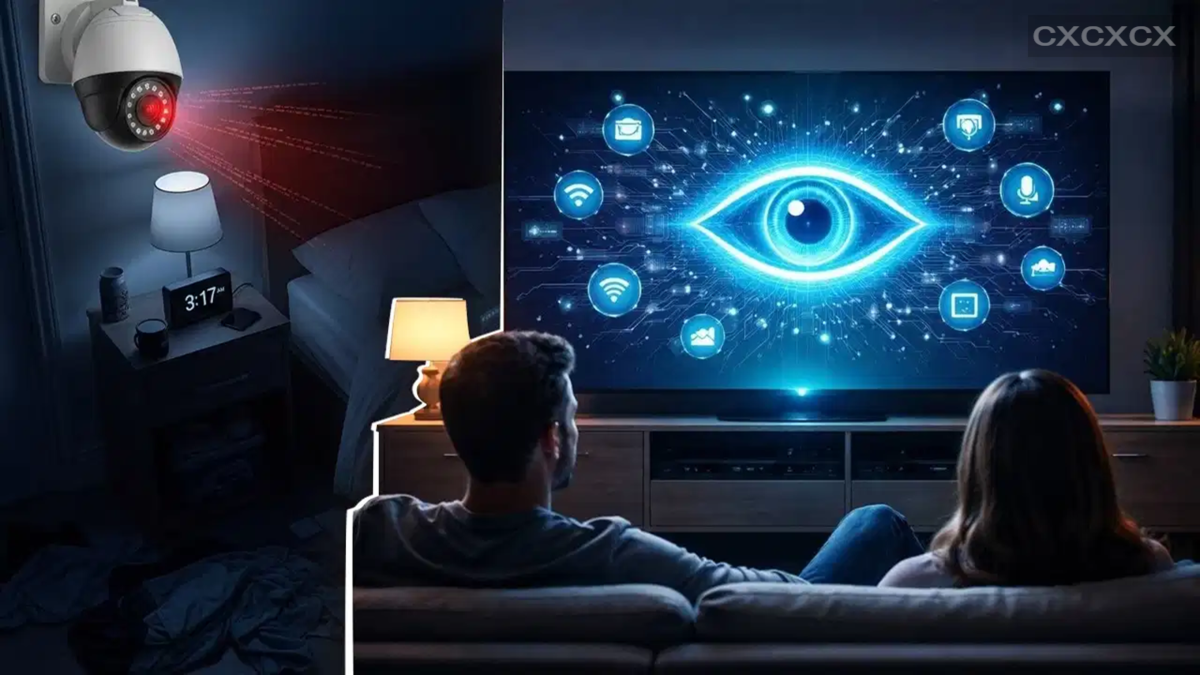
Smart TVs, Wi-Fi routers, baby monitors, smart doorbells, or robot vacuums installed in your home—devices you might think make your life easier—can actually pose a threat to your privacy.
These internet-connected gadgets can store information regarding your voice, photos, location, and daily habits. So, if the security of a device we’ve welcomed into our home is compromised, could our private lives be at risk too?
**Children's toys are also seeking risky permissions**
The risks associated with smart devices aren't limited to TVs, cameras, or routers; apps linked to smart toys for children also request a significant amount of data. In June 2026, CyberNews—an institute researching cybersecurity and digital privacy—conducted a study on apps associated with 10 AI-powered toys for children. All 10 apps requested exact location data. Six apps sought microphone access, and five requested camera permissions. Seven apps contained third-party trackers. The Miko app, for instance, requested nine types of permissions and contained eight trackers. One app continued to collect location data even after it had been closed.
Abhishek Nigam, an expert in AI and digital privacy, notes that concerns are heightened when it comes to children, as they often do not understand what information they are sharing. While these gadgets have become part of our lives, they can also collect sensitive information such as our conversations, photos, and daily routines.
**A home security camera becomes a threat**
An Ahmedabad-based family installed a Wi-Fi-enabled camera to keep an eye on their child, only to discover that the live feed could also be viewed on other phones. Cybersecurity experts have previously highlighted the existence of thousands of such internet-connected cameras in India that were exposed online and vulnerable to misuse.
**How do these gadgets work?** You set the route to your office on a map app and began commuting daily. Within a week, the app understood your arrival times and the duration of your stay. It asked if it should save this location as "Work," and for convenience, you agreed. Now, the app knows where you live and where you work. Similarly, food apps can analyze your eating habits, while shopping apps can gain insights into your preferences, purchasing history, and spending capacity.
Sami Azdofal, a software engineer from Spain, was attempting to control his DJI Romo robot vacuum using a PS5 controller when he discovered a security flaw in the company's cloud system. This vulnerability exposed data from approximately 7,000 robot vacuums across 24 countries. Reports from cybersecurity firms Bitdefender and Netgear have also highlighted security risks associated with streaming devices, smart TVs, and IP cameras.
**Cheap gadgets can be a gateway**
Some inexpensive smart gadgets and devices may contain hidden mechanisms that allow unauthorized internet access. If a home camera or gadget connected to Wi-Fi has weak security, a hacker could exploit that device—and your internet connection—to carry out other cybercrimes.
**It’s not just about hacking; it’s about privacy too**
The danger extends beyond hacking. Questions also arise regarding whether a device is requesting excessive information. Why does it need permission to access the camera or microphone? Where is the data being sent, and how long is it being stored? AI expert Abhishek Nigam notes that the risk isn't limited to hacking; companies can collect vast amounts of data during routine use. They should clearly explain which permissions are required and why, as well as where the data will go and for how long it will be retained. Users should have control over this and an easy way to delete their data. Users shouldn't have to be technology experts every time.
Security and privacy should be integral to the product right from the start. A customer might take every precaution at home, but if the company's system is vulnerable, the customer will be affected. Companies also have a responsibility to secure their devices, apps, collected data, and servers. Therefore, do not look only at price and features when buying smart gadgets.
Check permissions, change default passwords, enable two-step verification wherever possible, and keep devices updated. Also, check how long the company provides security updates and support. After all, smart home security depends not just on locked doors, but also on the gadgets we have personally allowed into our homes.
Disclaimer: This content has been sourced and edited from TV9. While we have made modifications for clarity and presentation, the original content belongs to its respective authors and website. We do not claim ownership of the content.
