
Smart home devices at risk: TVs, refrigerators, and cameras in the crosshairs of hackers..
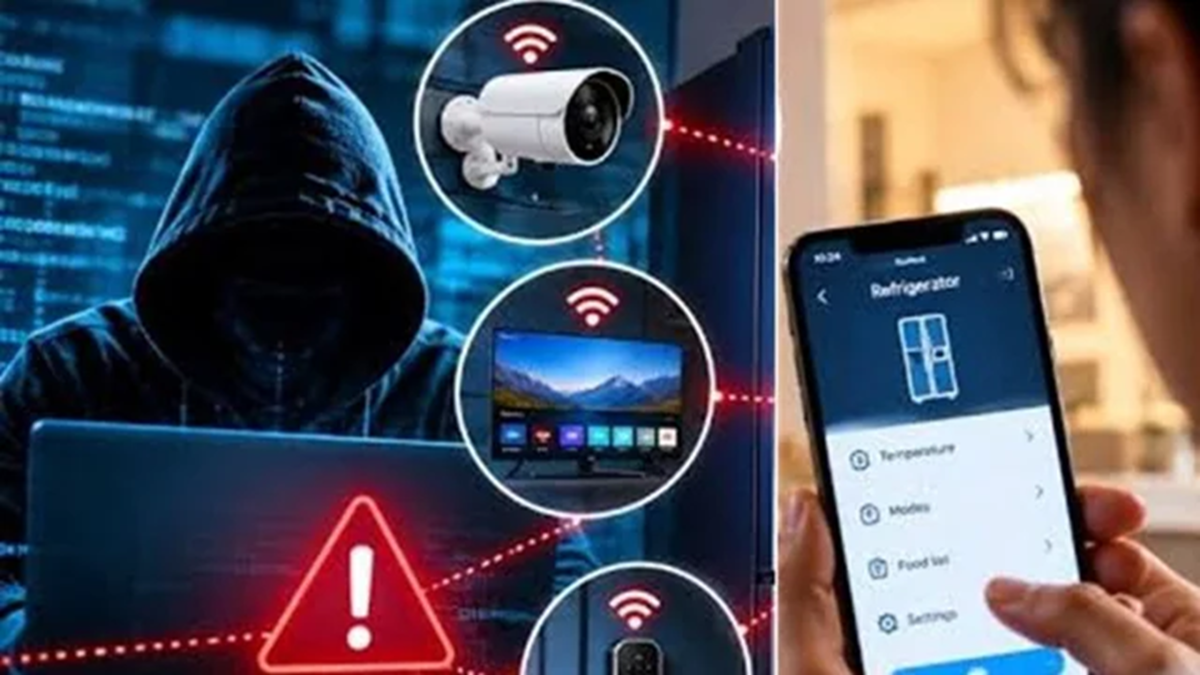
Internet-connected smart devices are making our lives easier. Gadgets such as smart TVs, Wi-Fi routers, robotic vacuums, and smart refrigerators are becoming increasingly common in homes. However, a significant vulnerability in these devices has emerged: if their security is compromised, cybercriminals can take control of them remotely. The impact is not limited to personal data or online activities; it can also cause damage to retail stores, businesses, and essential services.
A recent cyberattack in France has highlighted this threat. Attackers raised the temperature of refrigerators and freezers in approximately 700 stores across the country to nearly 50 degrees Celsius, putting food supplies at risk of spoilage. This incident reportedly took place on October 11 and 12. Subsequently, on November 2, a second wave of attacks targeted systems used by food businesses and supermarkets across several European countries.
How were the refrigerators and freezers targeted?
According to reports, the attackers sought out internet-connected controllers with weak security that could be accessed directly via the internet. To do this, they utilized search engines like Shodan, which helps locate information about internet-connected devices and servers. While security experts also use such tools, in the wrong hands, they can become a means for attackers to identify vulnerable systems.
The attackers allegedly exploited weak or default passwords, as well as controllers that were left exposed to the internet. They then tampered with the defrost functions of the refrigerators and freezers, causing the temperatures to rise and threatening the inventory stored in the shops.
France has identified an individual named Shahid Kaveh as being responsible for the initial attack. According to French authorities, he was linked to a cyber unit associated with Iran’s Islamic Revolutionary Guard Corps (IRGC). France has described this as the first large-scale cyberattack to occur on its soil. However, it remains unclear who was responsible for the attacks that surfaced in November.
Smart TVs and Robot Vacuums Are Not Safe Either
The concerning reality is that the threat of cyberattacks is not limited to large-scale business systems; household devices can also become targets for hackers. Since these devices are constantly connected to the internet, they easily attract the attention of cybercriminals.
According to a report by the American newspaper *The Wall Street Journal*, hackers are leveraging AI to rapidly identify security vulnerabilities in these devices, enabling them to execute major cyberattacks. The report notes that when a smart device connects to a home Wi-Fi network, it creates a potential "entry point" for hackers.
Once a smart device is compromised, attackers can easily gain access to other devices—such as phones and laptops—connected to the same network, as well as the sensitive data stored on them.
1. Wi-Fi Routers:
A home router provides network access to all connected devices. If a hacker gains control of it, they can alter its DNS settings. This means that even when a user enters the correct website address, they could be redirected to a fraudulent site. Logging into such a site can lead to the theft of passwords and other personal information.
2. Smart TVs:
Some smart TVs and the apps running on them may have security vulnerabilities. In such cases, attackers could exploit the device or the network it is connected to. In some instances, it may even be possible for an unauthorized party to use your internet connection's IP address, making it difficult to trace the origin of malicious cyber activities.
3. Robot Vacuum Cleaners:
These devices often contain cameras, microphones, and sensors used to map the layout of a home. While intended for cleaning, any security lapse could result in the exposure of private information. According to a report, a programmer exploited a security vulnerability to gain access to approximately 7,000 DGI Romo robot vacuums. This incident raised concerns regarding potential access to sensitive information, including camera feeds, audio, and floor plans of homes.
Cyberattacks are now extending to essential services like electricity and water.
Attacks on internet-connected devices can often impact the daily necessities of ordinary people. In July, a cyberattack in Minnesota, USA, affected more than 30 community water systems; it was suspected that Iranian-backed hackers were behind the incident.
In the UK, a small power plant had to be taken offline for four days following a cyberattack—an event described as the first successful attack of its kind on the nation’s energy infrastructure. Meanwhile, in South Korea, data belonging to approximately 68,000 individuals was stolen during cyber incidents targeting financial firms between late September and early October.
These events demonstrate that cybercriminals are no longer focusing solely on personal social media accounts or banking information; they are increasingly attempting to infiltrate systems that underpin essential daily services.
A sharp rise in the number of cyberattacks
Data from the European Repository of Cyber Incidents (EuRepoC) indicates that 4,932 major, politically significant cyberattacks were recorded between January 2000 and November 2026. The year 2024 saw the highest number of such incidents, totaling 795. According to the data, approximately two-thirds of these cases have occurred since 2022.
Disclaimer: This content has been sourced and edited from Amar Ujala. While we modified it for clarity and presentation, the original content belongs to its respective authors and website. We do not claim ownership of the content.
