
Should You Use an eSIM or a Physical SIM in Your Phone? Find Out How It Impacts Network Performance..
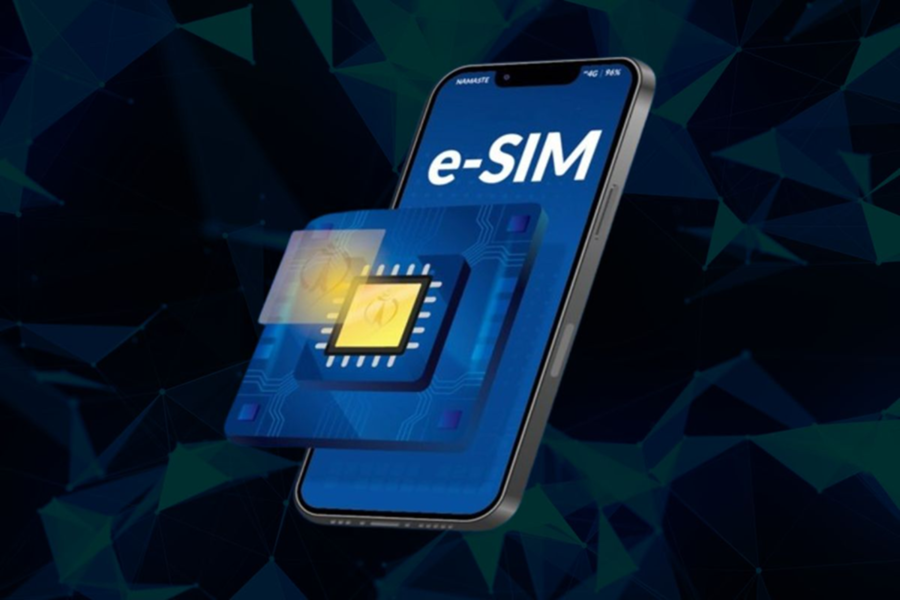
Over the past few years, smartphones have become significantly more advanced. AI has further transformed them into even more powerful devices. Technology is evolving rapidly, and many people are now switching from physical SIM cards to eSIMs. Many new smartphones are being released with eSIM-only support, allowing users to access mobile networks without needing to insert a physical SIM card.
Given this trend, it is only natural for many people to wonder: Is an eSIM truly better than a physical SIM card, and does it have any impact on network quality? Let's explore this in detail today.
First, Understand What an eSIM Is
Essentially, an eSIM is a digital SIM card that is pre-embedded within the phone itself. Unlike a physical SIM, you do not need to insert a separate card into the device. You can activate it simply by scanning a QR code or by contacting your service provider. On the other hand, a physical SIM is the standard SIM card that we have been using in our phones for years.
Does It Affect Network Performance?
Whenever the topic of eSIMs versus physical SIM cards arises, the most critical question remains: is there any discernible difference in network quality between the two? The straightforward answer is: no.
Both types of SIMs operate on the same network infrastructure. This means that if your telecom provider offers good network coverage, you can expect virtually identical performance—in terms of call quality, internet speeds, and network coverage—whether you are using an eSIM or a physical SIM.
The Advantages of eSIMs and Physical SIMs
Having an active eSIM in your phone eliminates the risk of losing or damaging your SIM card. Additionally, it makes switching networks while traveling internationally much easier. Furthermore, it offers the convenience of storing multiple network profiles on a single device.
Conversely, physical SIM cards also have their own set of advantages; for instance, you can easily remove one and insert it into a different phone. Physical SIM cards are universally supported across virtually all mobile devices, and their activation process is typically simple and very fast.
Which Is Better: eSIM or Physical SIM?
If you are looking for new technology and convenience, an e-SIM could be a better option for you. On the other hand, if you prefer a simple and traditional approach, a physical SIM remains a superior choice. Furthermore, it has no impact on network performance, so you are free to use whichever type of SIM you prefer.
Disclaimer: This content has been sourced and edited from Dainik Jagran. While we have made modifications for clarity and presentation, the original content belongs to its respective authors and website. We do not claim ownership of the content.
