
Sharing Someone’s Voice Note or Photo Without Consent Can Lead to Jail: Know the Legal Risks and What to Do
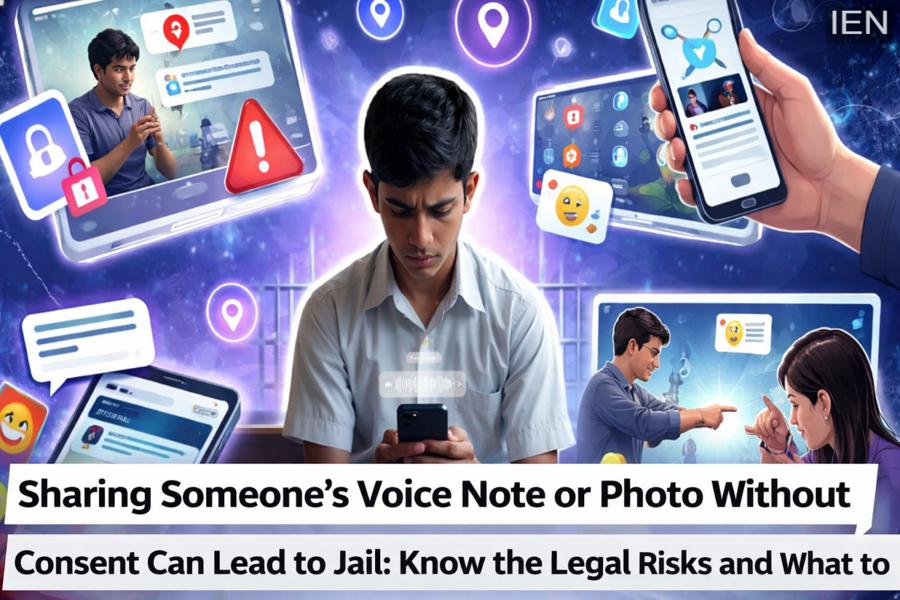
In today’s digital world, sending private chats, voice notes, and personal photos has become routine. However, forwarding someone’s private content without permission can amount to a serious privacy violation and may even lead to legal consequences. Authorities have issued advisories warning that sharing confidential conversations, images, or audio clips without consent can fall under cyber abuse and data breach laws.
A trusted conversation can quickly turn into public humiliation if personal content is circulated irresponsibly. Experts say digital behavior that appears harmless at first can cause emotional distress, reputational harm, and in some cases, criminal liability.
Why Forwarding Private Content Is Risky
According to awareness messages issued by the Ministry of Home Affairs, forwarding someone’s personal content without explicit permission is not just unethical but potentially punishable under cyber laws.
Often, people send voice notes or messages to close friends in confidence. The intention is personal sharing, not public broadcasting. But if that voice note is later forwarded to a group chat or shared on social media, it transforms a private exchange into a public discussion.
Cyber law experts explain that such actions can:
-
Breach an individual’s right to privacy
-
Damage trust in personal relationships
-
Cause emotional and psychological harm
-
Lead to online harassment or bullying
In serious cases, the unauthorized circulation of personal photos, screenshots, or private chats can attract legal action under information technology and criminal laws.
“It Was Just a Joke” Is Not a Legal Defense
Many individuals attempt to justify forwarding private messages by calling it a joke or harmless fun. However, legal professionals warn that intent does not always eliminate liability. If the act results in reputational harm, harassment, or mental distress, it may qualify as cyber abuse.
Digital content, once shared, leaves a permanent footprint. Even if deleted later, screenshots and downloads can continue to circulate. Unlike verbal conversations, online messages can be replicated endlessly and reach a far wider audience.
Understanding Digital Etiquette and Responsibility
Cybersecurity agencies emphasize the importance of digital etiquette. Before sharing any content, ask yourself:
-
Do I have explicit permission to share this?
-
Could this harm the person involved?
-
Would I be comfortable if my private content were treated the same way?
If the content does not belong to you, the safest approach is not to forward it. Respect for privacy should extend to digital platforms just as it does in real-life conversations.
Legal Consequences of Privacy Breach
Unauthorized sharing of private content may fall under provisions related to:
-
Cyber harassment
-
Data protection violations
-
Identity misuse
-
Online defamation
Depending on the severity of the case, penalties may include fines, criminal charges, or imprisonment. Courts increasingly treat digital misconduct seriously, particularly when it involves women, children, or vulnerable individuals.
What to Do If Your Privacy Has Been Breached
If your personal content has been shared without consent, act promptly:
1. Preserve Evidence
Take screenshots of messages, posts, links, and profiles involved. Save all digital proof before it is removed.
2. Inform a Trusted Person
Speak to a parent, guardian, teacher, or legal advisor for immediate support and guidance.
3. Report to the Platform
Most social media and messaging platforms provide options to report abuse or unauthorized sharing.
4. File a Complaint Online
Victims can lodge complaints through the official portal of the National Cyber Crime Reporting Portal. Anonymous complaints are also permitted in cases involving women and children.
5. Approach Local Cyber Police
If the issue escalates or involves threats, extortion, or blackmail, filing a formal complaint at a cyber police station is advisable.
Timely action improves the chances of content removal and helps authorities trace offenders.
A Reminder for the Digital Age
The ease of forwarding content should not overshadow the responsibility that comes with it. Digital trust is fragile, and violating someone’s privacy can have lasting consequences—both socially and legally.
In an era where a single click can amplify a message to thousands, awareness and restraint are critical. Respecting privacy online is not just good manners—it is a legal and ethical obligation.
