
Seeking treatment for an illness from AI instead of a doctor? This mistake could prove costly..
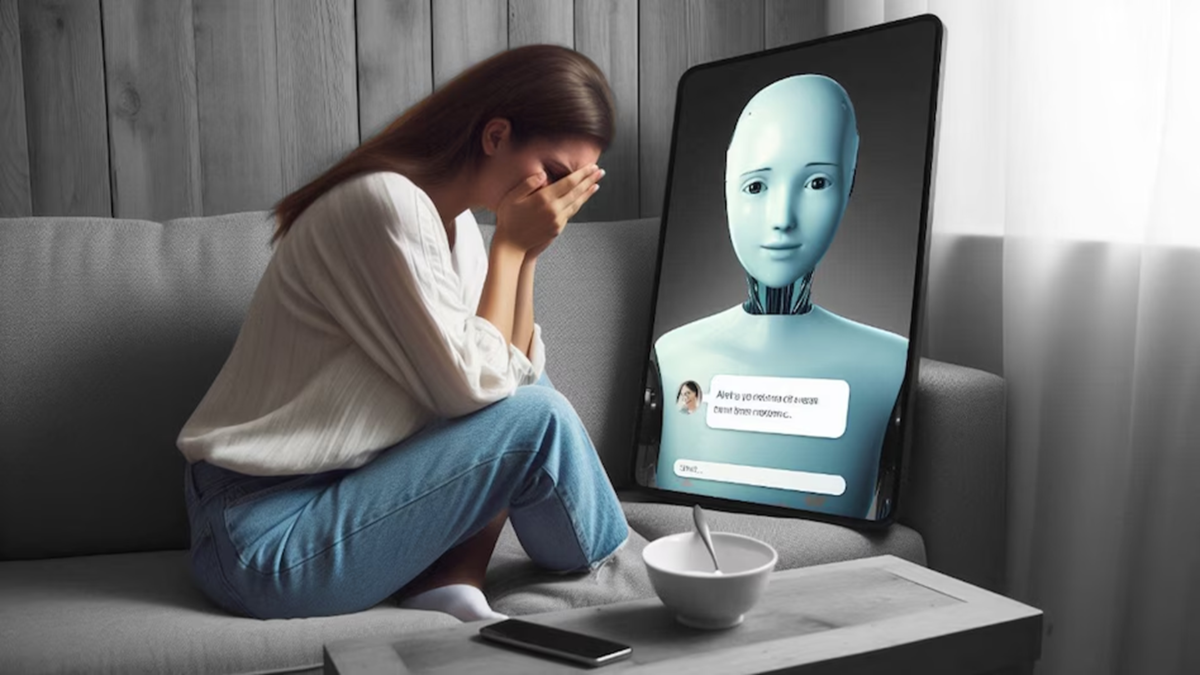
Whether it’s a headache, a sudden skin rash, a stomach ache, or a quest for a fitness plan, if you find yourself turning to an AI chatbot for answers, you are certainly not alone. A trend is emerging where, instead of visiting a doctor or a clinic, people are increasingly seeking information first from AI chatbots or social media.
A recent report by the Boston Consulting Group (BCG) indicates that six out of ten Indians consider online health advice to be just as reliable as the guidance provided by healthcare professionals. The study further reveals that 61 percent of people prefer to rely on AI and online sources rather than waiting to see a doctor. In recent years, individuals have become increasingly dependent on YouTube videos, Instagram Reels, health blogs, podcasts, online communities, and AI-based platforms to understand their health-related concerns.
From diet plans and home remedies to mental health awareness, workout routines, and a wide array of other health-related content—all are now readily available across digital channels. Topics that once fell exclusively within the domain of medical professionals have now become a part of everyday online discourse.
Why is this trend gaining traction?
The primary appeal lies in the instant availability of information, the avoidance of long waits to see a doctor, and the overall convenience. Furthermore, online communities often connect you with others who have had similar experiences, which can provide a sense of reassurance. Health influencers, fitness trainers, nutritionists, and even doctors are now actively utilizing digital platforms.
This has made it easier to grasp complex health topics through simple, accessible language. Short-form videos, in particular, have made medical information more engaging and easy to digest—which is why this trend is gaining popularity not only among the younger generation but across all age groups. Issues Related to Influencers
Some influencers recommend supplements, herbal remedies, or medications without consulting a doctor. Such advice is often not based on any scientific research. A remedy that appears harmless could interact negatively with prescribed medications or exacerbate an existing health condition. Purchasing medicines online can be even more dangerous; thousands of websites now sell drugs directly to consumers.
The primary challenge lies in distinguishing between legitimate online pharmacies and fraudulent sellers. The World Health Organization (WHO) has repeatedly warned that counterfeit and substandard medicines are entering the global supply chain. These products may contain incorrect ingredients or improper dosages, with no regulatory oversight.
Instead of treating an illness, these products can cause harm. Therefore, it is essential for anyone seeking health information online to remain aware and vigilant. Making personal health decisions is only advisable when you have access to reliable information and expert guidance.
Three Points to Consider Regarding Online Information
1. Rely on credible sources—such as reputable medical professionals or established healthcare institutions—rather than individual blogs or social media platforms.
2. You may use the internet to broaden your understanding before visiting a doctor; this can help you feel more comfortable during your consultation. Feel free to ask questions, but leave the diagnosis and treatment plan to the medical professional.
3. If you are unsure about any supplement, herbal remedy, or medication suggested by an influencer, consult a pharmacist or a doctor before trying it.
Potential Risks
Misinformation: Avoid relying on "miracle" cures, unrealistic weight-loss methods, unscientific detox plans, or exaggerated medical claims. Keep in mind that sensational content attracts attention, which means incorrect advice can spread very rapidly.
Self-diagnosis: Searching for symptoms online can sometimes lead people to form the wrong conclusions. For instance, someone might mistake a common headache for a serious neurological issue, causing unnecessary distress.
Relying solely on medical expertise: Some influencers promote supplements, overly restrictive diets, or wellness products without any solid scientific evidence. Their large following and confident tone can make their advice seem credible—it is important to avoid falling into this trap. You should always place your trust in qualified medical professionals.
Individual differences: A diet or exercise regimen that works well for one person could be harmful to another. Factors such as age, medical history, pre-existing conditions, current medications, and lifestyle all determine an individual's specific healthcare needs.
Privacy and data security: Many apps and websites seek to collect information regarding your symptoms, fitness records, medical history, and lifestyle, which can put user privacy at risk.
What is the right approach?
The most important step is learning to distinguish accurate, reliable information from incorrect or misleading content. Rely on credible sources, such as recognized hospitals and public health organizations. Be wary of any content that promises immediate cures or guaranteed results. Online information should be used strictly for general awareness and educational purposes.
PC Social Media
