
Scams via AI-generated photos: Learn these 5 signs to identify them and never get deceived..
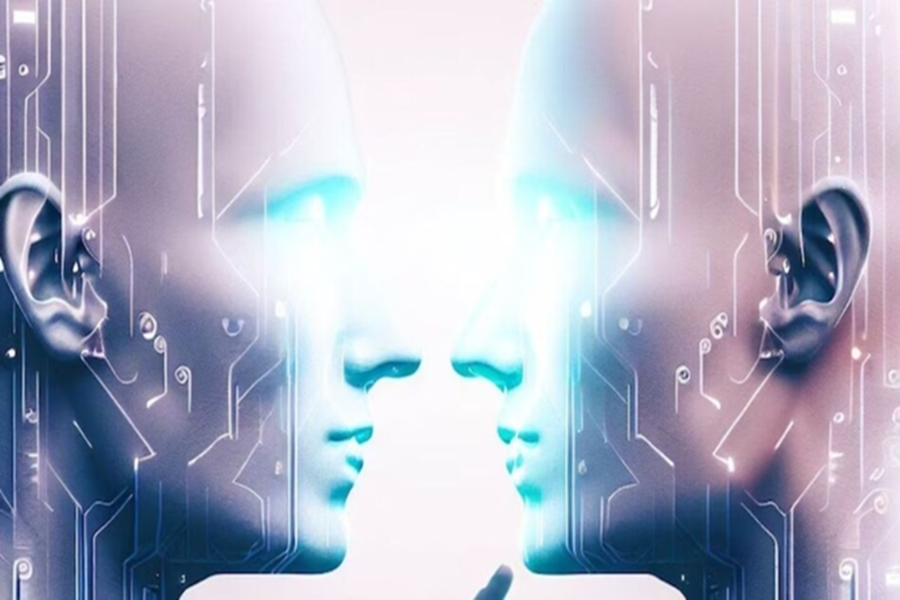
The scope of Artificial Intelligence (AI) is expanding rapidly these days. With the help of next-generation AI tools, realistic-looking photos can be created in mere seconds.
These images are highly creative and popular on social media platforms like Instagram. However, there is a dark side: scammers are using these images to mislead and defraud people. Consequently, distinguishing between real photos and AI-generated fakes while scrolling through social media has become a crucial digital skill.
**Government Issues Alert**
Recently, the Indian government's agency, PIB Fact Check, raised awareness by sharing a video on the social media platform X. Authorities state that no matter how advanced AI tools become, they often leave behind flaws that reveal their artificial nature. Here are five simple tips to help you instantly identify AI-generated images:
1. **Look for Odd Details**
AI often makes mistakes when rendering small body parts and background intricacies.
**What to check:** Count the fingers on the people in the image; they may be missing, excessively long, or fused.
**Read the text:** Carefully examine any signboards or banners in the background. AI frequently generates illegible text or words with incorrect spellings.
2. **Check Lighting and Shadow Logic**
In the real world, light follows specific physical rules, but AI often overlooks this logic.
**What to check:** Observe the direction of the shadows cast by objects in the image. If shadows fall in different directions or appear abruptly cut off, the image is likely fake.
**Pro tip:** Zoom in on the photo. You might notice inconsistencies—such as blurring or mismatched colors—in details like hair strands, skin texture, and clothing patterns.
3. Does the face look *too* perfect?
Human faces are not naturally perfectly symmetrical; there are subtle differences between the left and right sides.
What to check: AI-generated faces often appear unnaturally perfect. Be wary if the eyes, eyebrows, lips, and teeth in a picture look like mirror images of each other.
4. Spot errors in physics and logic
AI lacks common sense, so it often violates basic laws of physics.
What to check: Is an object floating in mid-air? Is a crucial part of an object missing?
Example: A video released by the PIB featured an image of a bicycle that was missing its pedal. Such logical errors are a major tell-tale sign of AI-generated images.
5. Use online verification tools
If you cannot rely on your own eyes, turn to technology for help.
What to do: There are many free online tools available that can determine whether an image was created by AI.
You can use OpenAI’s dedicated page or upload the image directly to AI tools like Google Gemini and ask, "Is this image AI-generated?"
The next time you come across a shocking or unusual image online, run it through this 5-point checklist before accepting it as true and sharing it. A little vigilance can save you from falling victim to major scams or fake news.
Disclaimer: This content has been sourced and edited from Amar Ujala. While we have made modifications for clarity and presentation, the original content belongs to its respective authors and website. We do not claim ownership of the content.
