
Scams are being perpetrated via 'Update KYC' SMS messages; learn to spot fake messages before clicking the link..
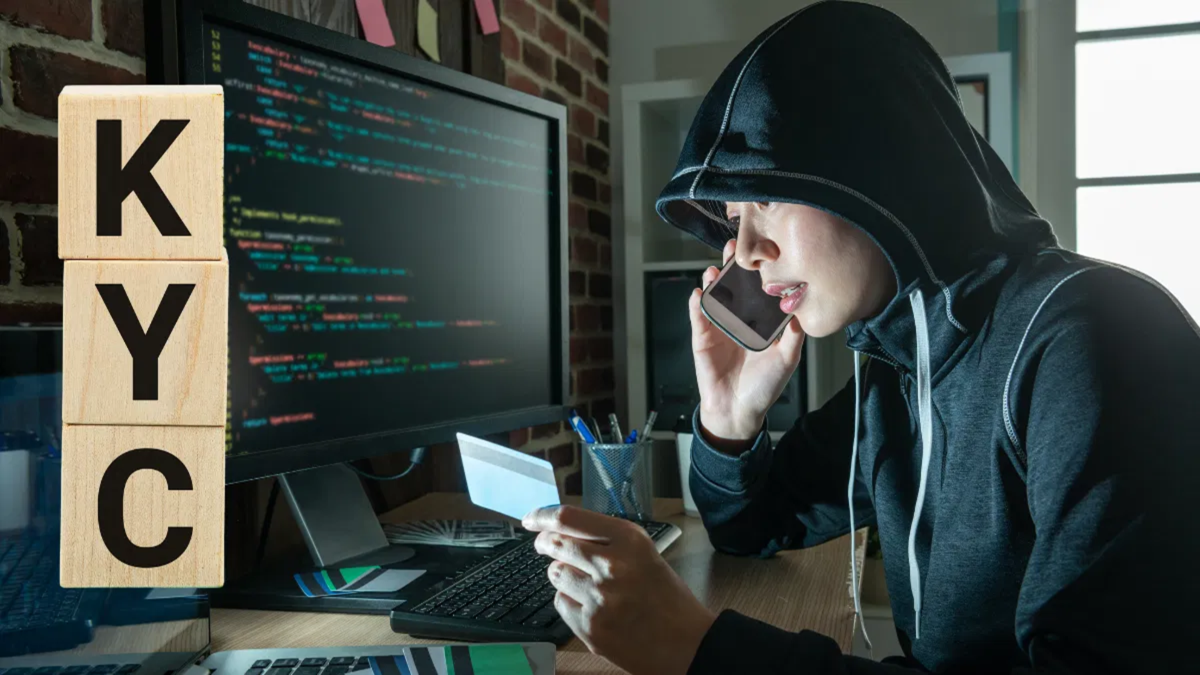
You are likely receiving numerous messages on your mobile phone regarding KYC updates these days—ranging from bank accounts, LPG connections, and ration cards to EPFO and other services. However, cyber fraudsters are now using these KYC-related messages as a tool to commit fraud. Therefore, if you receive an SMS or WhatsApp message asking you to update your KYC, exercise caution before clicking on it, as it may contain a malicious link disguised as a legitimate KYC request.
Fraudsters send KYC messages warning that your bank account will be closed or your service blocked. These messages include a link; clicking on it exposes you to the risk of being scammed. You can identify these fake messages by examining the link before clicking.
**Identifying fake messages by checking the link**
When you receive an SMS regarding a KYC update, examining the link can help you spot a fake message, as it differs from a genuine one. The website name in the link might appear incorrect, or the link itself may look unusual or shortened. If you read the URL carefully, you will likely notice something odd—something you would rarely see in a legitimate message from a bank or a verified KYC service provider.
**The language of the message is also a giveaway**
If a KYC message uses alarming language or content designed to scare you, it is likely a fake message. Be on alert if the message threatens to close your account or suspend your service unless you update your KYC, or if it asks for bank details or directs you to a link to provide such information.
If you receive an update regarding your bank account, LPG, ration card, credit card, Aadhaar card, or any other service, you should immediately contact the respective service provider's customer care to verify the information.
Disclaimer: This content has been sourced and edited from NDTV India. While we have made modifications for clarity and presentation, the original content belongs to its respective authors and website. We do not claim ownership of the content.
