
Scam Alert: What Is a Parcel Scam, and How Does It Work? ICICI Shares 3 Ways to Stay Safe..
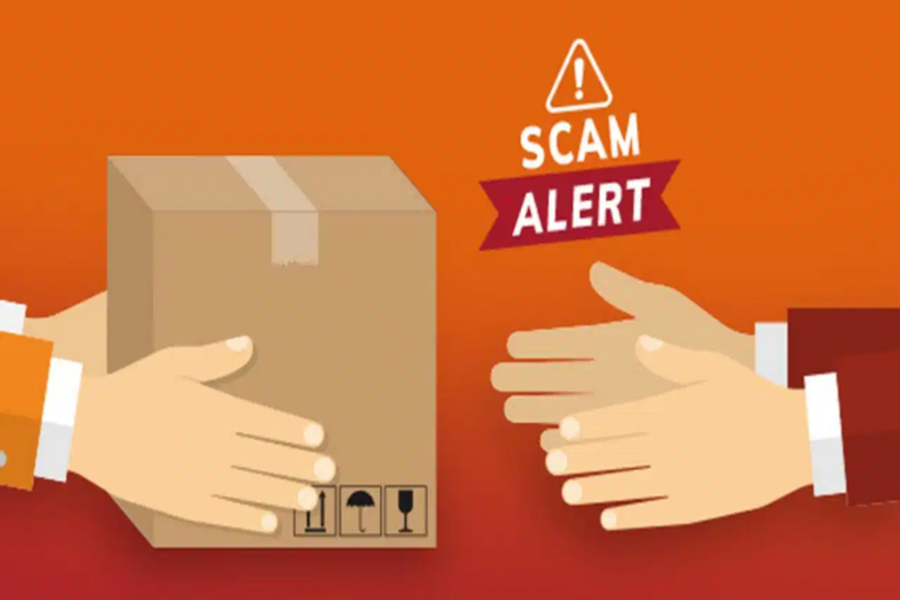
Parcel Fraud is a method used to defraud you. How does this fraud cause harm? How does it operate? And how can one protect against it? ICICI has issued an alert via email, providing detailed information regarding this matter. Today, we will answer all these questions to help you safeguard yourself from falling victim to such scams.
**How Does the Parcel Scam Work?**
The email sent by ICICI explains exactly how this scam functions and how it ensnares people. Let us explain, in six key points, the mechanism through which this scam traps its victims:
In this scam, you will receive an SMS on your phone from an individual posing as a representative of a courier company or the postal department.
The SMS will state that a parcel has arrived for you, but it cannot be delivered because the address provided is incomplete.
The SMS will contain a phishing link prompting you to update your delivery address.
The fraudster may call you and create a sense of urgency, claiming that if you do not update your address immediately, the delivery of your parcel will be cancelled.
If you click on the link and submit your address details, the webpage will prompt you to make a token payment—typically of ₹25 or ₹50. This link is designed to accept payments made exclusively via credit or debit cards.
If you enter your card details, all your sensitive information—including your card number, expiration date, and CVV—will be transmitted directly to the fraudster, who can then misuse it for malicious purposes.
**How to Protect Yourself from Parcel Fraud**
**Stay Calm:** Fraudsters often attempt to create an atmosphere of panic or urgency, pressuring victims to take immediate action. Do not fall into this trap.
**Do Not Click on Suspicious or Unknown Links:**
Always verify the source of any SMS you receive. Courier companies and the postal department never send messages requesting address updates for parcel deliveries. Refrain from clicking on any such suspicious or unknown links. Verify unsolicited messages with a trusted source: If you receive an unsolicited SMS asking you to share your information with a company, contact that company's official customer support team to verify the message first.
What to do in case of fraud?
If you have been a victim of fraud, visit the National Cyber Crime portal (cybercrime.gov.in). Additionally, you can call the helpline number 1930.
Disclaimer: This content has been sourced and edited from TV9. While we have made modifications for clarity and presentation, the original content belongs to its respective authors and website. We do not claim ownership of the content.
