
Scam Alert: Shopkeepers should avoid fake payment apps, let's know how?
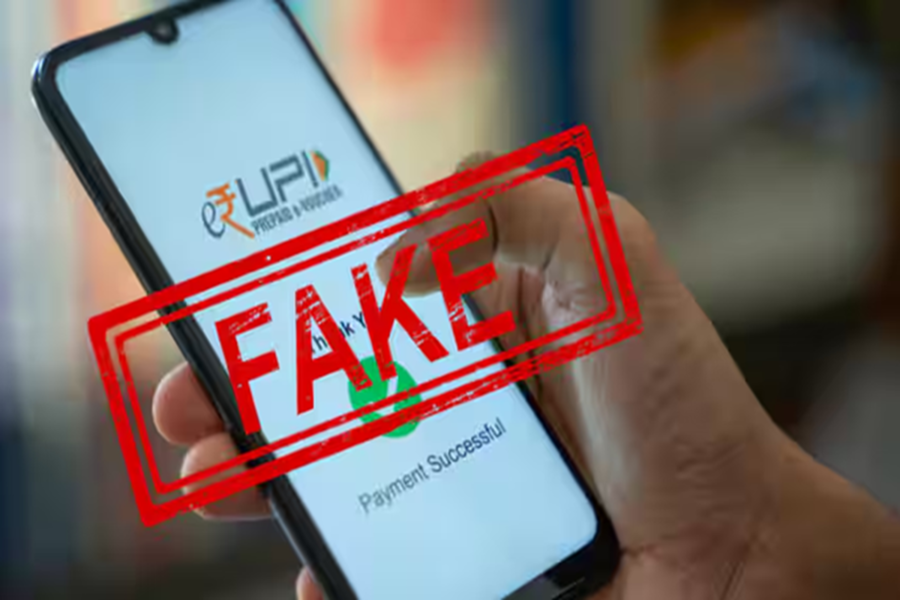
Scammers use various methods to harm the public. Let's turn to payment apps. Scammers are creating fake payment apps by copying them exactly, with user interfaces (UIs), color schemes, and overall appearance designed to deceive anyone. The app's payment transaction process appears genuine, making it difficult to recognize at first glance.
Some fraudulent apps even mimic payment-processing sounds, such as beeps or chimes, to indicate that a vendor or merchant has been paid. They also display a bill for a successful transaction to reassure the merchant. This makes identifying a fake payment app even more difficult.
How to Avoid Fake Payment Apps
Scammers target naive merchants with fake payment apps. They use fake apps that simply mimic the payment transaction flow. The goal is to make it appear that a payment has been made for a product or service. But the victim later discovers the payment was fake.
Here are some tips to help you stay alert and safe from fake payment apps:
Check transaction history: Always verify transactions with your payment app or bank account. Don't rely solely on screenshots or notifications.
Is the transaction information incorrect?: Understand the difference between a genuine and a fake transaction by looking at the transaction details you're shown. Fake apps will show minor errors or discrepancies, which can alert you to a scam.
Pressure tactics: Be wary of people who rush to complete a transaction without taking the time to properly verify it.
Unknown apps: Learn about the genuine payment apps commonly used in your area. If someone makes a payment using an unknown app, proceed with caution and verify the payment.
What precautions should shopkeepers take?
Fake payment apps can cause losses to shopkeepers. Scammers can take advantage of the chaos or distraction of a shopper in a crowded store to defraud them by making transactions using fake payment apps.
Here are some tips for shoppers to help prevent fraud from fake payment apps.
Inform store staff: Ensure all employees are aware of such scams and can recognize fraudulent transactions.
Follow a standard verification process: Establish a standard process for payment verification before delivering a product or service. This includes listening for payment authentication sounds from the PhonePe smart speaker (fake apps cannot trigger these alert messages), checking the transaction ID, or waiting for confirmation from your payment processor.
Report suspicious activity: If you notice a suspicious fake payment app, immediately report it to the relevant authorities and your payment processor.
What PhonePe does to secure payments
PhonePe is known for its robust security infrastructure, intelligent product interventions, active ecosystem partnerships, and layered fraud reporting mechanisms, which provide a secure user experience. Some of PhonePe's trust and safety components are as follows:
User Verification: PhonePe verifies users to prevent scams. This is done through KYC (Know Your Customer) processes, biometric verification, and secure document authentication.
Real-time Fraud Detection: PhonePe's detection engine reports fraudulent transactions based on various signals such as customer demographics, behavioral variables, and past transaction patterns.
Prompt Intervention - Strong identity verification and intelligent data-driven insights enable prompt intervention. Once a potential threat is identified, immediate and precise action is taken.
Disclaimer: This content has been sourced and edited from Dainik Jagran. While we have made modifications for clarity and presentation, the original content belongs to its respective authors and website. We do not claim ownership of the content.
