
Scam Alert: Is someone threatening to leak your private photos? Do not pay them at all; take these steps immediately..
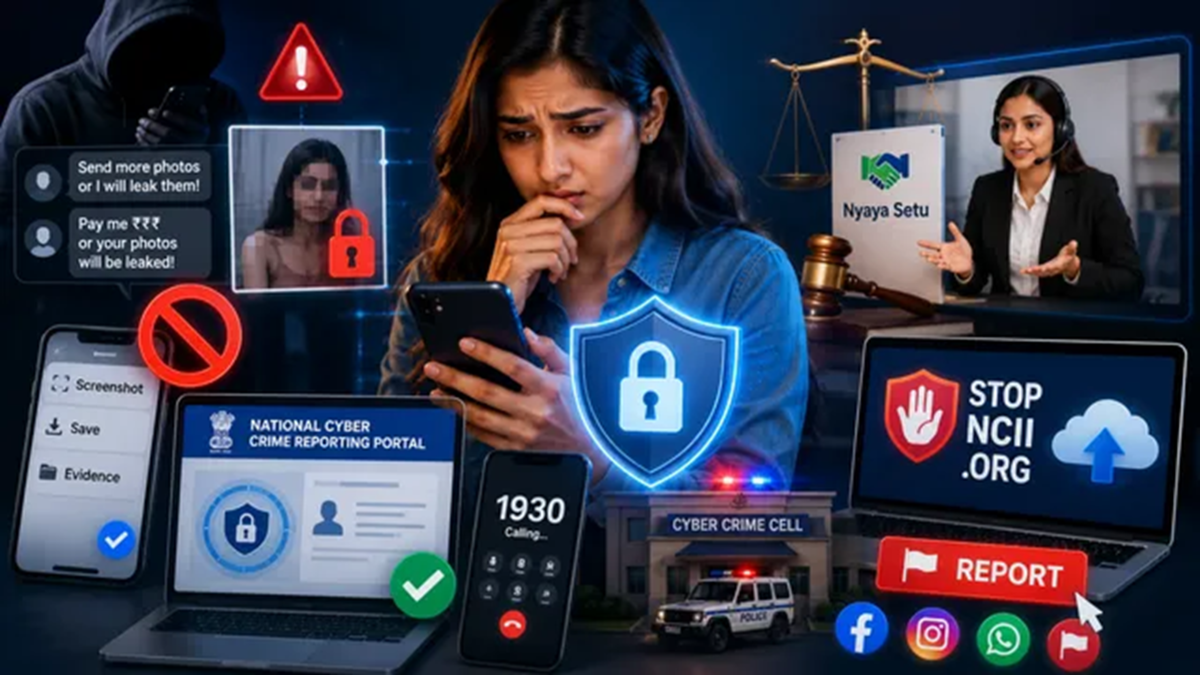
If someone is threatening to leak your private photos, it is a clear case of blackmail or extortion. However, paying the person or sending more photos is unlikely to resolve the situation. Instead, you should preserve the evidence, report the incident to cybercrime authorities, and seek legal assistance if necessary. Here are the details.
The first step is to save screenshots of all conversations. These should include phone numbers, usernames, profile links, payment demands, and any details that could help identify the accused. Do not delete any messages or chats before securing this evidence.
What should you do?
Victims can file a complaint via the National Cyber Crime Reporting Portal or call the cybercrime helpline number, 1930. Alternatively, a complaint can be lodged at the nearest police station or cybercrime cell.
When filing the complaint, provide as much information as possible about the person making the threats—such as their phone number, social media account, WhatsApp number, or bank details if they have demanded money.
Legal assistance through 'Nyaya Setu'
Those seeking legal help can use the government's 'Nyaya Setu' platform. This service provides legal information and connects eligible users with lawyers through the Tele-Law system.
Users can state their concerns to the platform's AI assistant, 'Dishika,' to learn about available legal options. Depending on the case and eligibility, users may also be connected to panel lawyers for further assistance.
What to do if the photos have already been uploaded to the internet?
If compromising photos have already been shared online, victims can use StopNCII.org. This is a free service designed to prevent the sharing of personal photos on various platforms without consent.
This tool generates a 'digital hash' (a unique code) of the photo directly on the user's device, without requiring the original photo to be uploaded. Subsequently, the platforms involved can use that hash to identify similar uploaded images and take action in accordance with their policies.
Additionally, report the post or account directly on the platform where the images are visible. Most importantly—do not make the mistake of paying the blackmailer or agreeing to any of their demands.
Disclaimer: This content has been sourced and edited from Dainik Jagran. While we have made modifications for clarity and presentation, the original content belongs to its respective authors and website. We do not claim ownership of the content.
