
Scam Alert: Fraud is happening under the pretext of increasing the credit card limit, be careful like this..
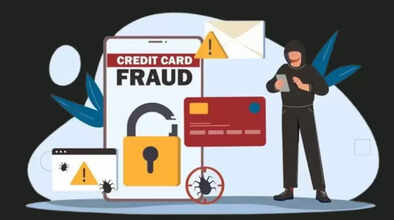
Have you ever received a call posing as a bank employee, promising to increase your credit card limit? If you've declined such an offer, consider yourself saved from a major fraud. Several cases have surfaced where fraudsters trick credit card users into providing OTPs in the name of increasing their limit. The fraud's modus operandi is as follows: first, a call comes in, offering to increase the limit. If the customer agrees, the fraudsters ask for their card number, CVV, expiry date, and even the OTP received on their mobile phone. Later, the customer realizes the call wasn't from the bank, but from a fraudster, and by then, the loss has already been incurred.
5 Important Tips to Be Vigilant
1. Double-check identity: If someone claims to be a bank employee, don't trust them. Check the number. Is it the same number as your bank's customer care number? According to TRAI, from next year, all bank numbers will begin with the 1600 series, making it easier to identify fake calls.
2. Pay attention to the way they speak: Scammers often make big claims like "I'm calling from the head office," "I'm the bank manager," etc. In reality, bank managers never call to increase their limit. Be alert when you hear such things.
3. Disclosure of CVV and OTP is strictly prohibited: No matter how genuine the caller appears, never share your CVV, OTP, or card confidential information with anyone, not even the bank. Banks themselves don't ask for OTPs.
4. Identify bank messages: OTP messages from banks clearly state that the sender is the bank. Scammers often send similar-looking messages from common numbers. Don't trust such messages.
5. Inform the bank immediately: If you receive a message informing you of a card debit and you don't recognize the caller, call the bank immediately and have the card blocked.
Disclaimer: This content has been sourced and edited from TV9. While we have made modifications for clarity and presentation, the original content belongs to its respective authors and website. We do not claim ownership of the content.
