
Room Heater: Which is better for winter, electric or oil? Learn the difference...
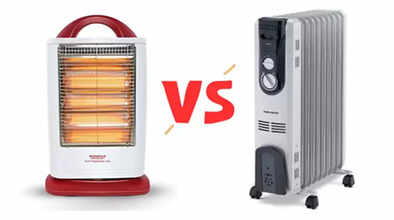
As the cold increases, the need for heaters in homes also increases. Many types of room heaters are available in the market, especially electric heaters and oil room heaters. But let's understand the differences between the two and which heater will be right for you.
Electric Heaters: Economical, But Many Disadvantages
Electric heaters are typically made of quartz rods or light metal filaments, which generate heat directly from electricity. These heaters are available for 1500-2000 rupees and have the ability to heat a room instantly. Being lightweight and portable, they can be easily used anywhere. However, the hot air from electric heaters removes moisture, causing skin to dry out. It is advisable not to use electric heaters for long periods in a closed room. This reduces the oxygen level in the room, which can cause dizziness or vomiting.
Oil Room Heaters: Expensive but Safe
Oil room heaters contain special filament tubes filled with oil. When the heater is on, this oil heats up and warms the radiator. A fan attached to the radiator circulates the warm air throughout the room. These heaters maintain humidity, preventing skin dryness and breathing difficulties. Oil heaters are also considered relatively safe for children and the elderly, as they don't pose the risk of oxygen depletion. Oil room heaters are generally more expensive due to their technology, costing between ₹5,000 and ₹15,000.
Which Room Heater to Buy?
If you have small children, the elderly, or people with allergies in your home and you're not limited in budget, an oil room heater is the best option. However, if your budget is tight and you only want to use the heater for a short period of time, an electric heater may be the best choice. When choosing a heater, be sure to consider your room size, usage patterns, and health to ensure comfortable warmth during winter.
Disclaimer: This content has been sourced and edited from Amar Ujala. While we have made modifications for clarity and presentation, the original content belongs to its respective authors and website. We do not claim ownership of the content.
