
RBI's new draft to curb digital payment fraud: money transfers must be approved within one hour..
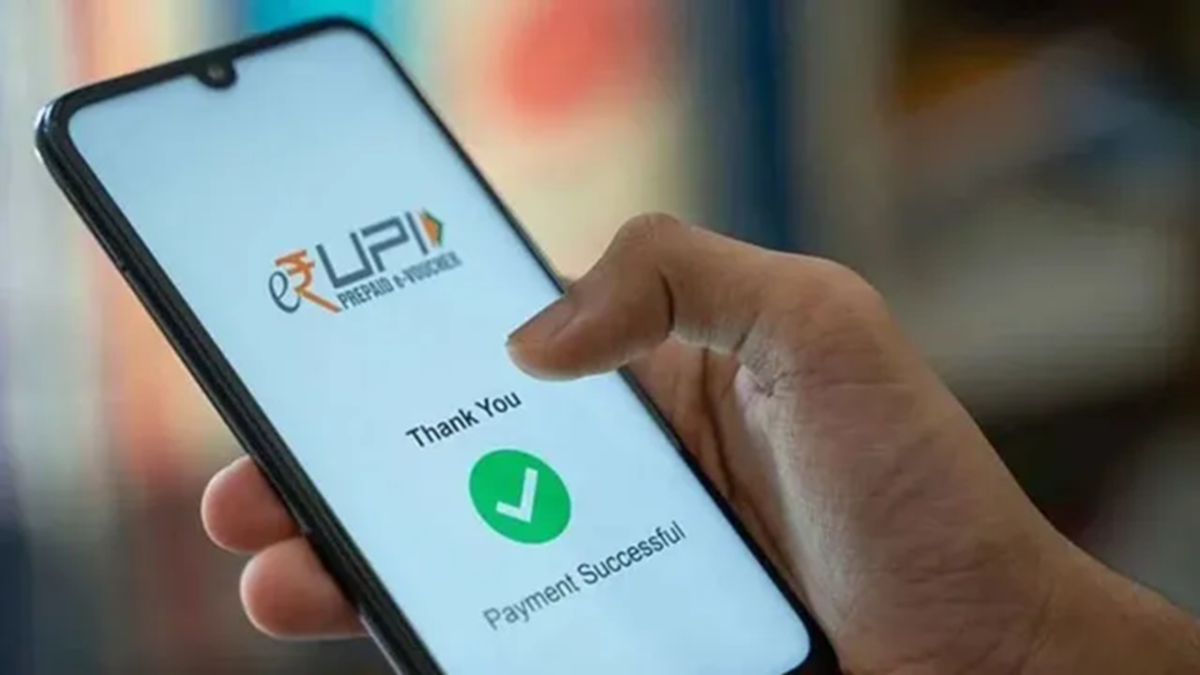
The RBI has proposed new rules to prevent fraud in digital payments. Under these rules, bank account holders will have the option to designate a 'trusted person' to authorize electronic fund transfers. For any electronic fund transfer exceeding a specified limit, this trusted person must provide approval within one hour; if they fail to do so, the transaction will be cancelled.
Proposal for a 1-hour cooling-off period
These draft guidelines have removed a previous proposal—included in an April discussion paper—that mandated a one-hour 'cooling-off period' for all high-value digital transactions. While the April draft limited the 'trusted person' facility to senior citizens aged 70 and above, the current proposal makes it available to all bank customers on an optional basis.
This proposed framework will not apply to UPI transfers, merchant payments, or recurring mandates (regular payments). Banks will also be required to provide an 'emergency stop switch,' allowing customers to immediately block all outgoing payments. Customers can set transaction-specific or beneficiary-specific limits, and also specify time windows during which electronic payment services should remain disabled. The provisions regarding the 'trusted person' system, the emergency stop switch, and channel controls will come into effect on July 1, 2027, following feedback from the public.
Failure to send transaction alerts to be considered bank negligence
Banks will be held liable if customers suffer losses due to the bank's negligence. Such negligence includes failure to implement multi-factor authentication, omission of transaction alerts, breaches in the bank's internal security systems, or collusion involving bank staff. The RBI has stated that this proposed definition of bank negligence will take effect on January 1, 2027.
Disclaimer: This content has been sourced and edited from NDTV India. While we have made modifications for clarity and presentation, the original content belongs to its respective authors and website. We do not claim ownership of the content.
