
QR Scam: How to Protect Yourself from the Rapidly Spreading Quishing Scams of 2026..
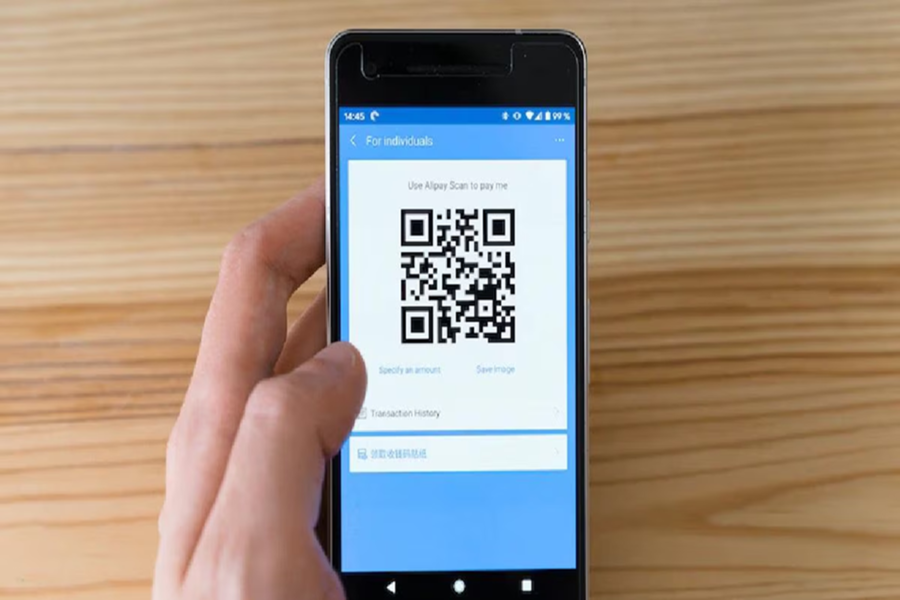
QR Code Scam: Today, QR codes have become an integral part of our daily lives. Whether it involves viewing a menu at a restaurant, paying parking fees, making a UPI payment, or scanning a ticket for an event, QR codes are being utilized everywhere. However, the very technology that has simplified the digital world is now increasingly becoming a new weapon for cybercriminals. According to experts, fake QR code scams—also known as "Quishing"—are on the rise, potentially putting the personal information of millions of users at risk.
How is the QR Code Scam Spreading?
Cybersecurity experts state that QR code-based phishing attacks—dubbed "Quishing"—have emerged as one of the fastest-growing forms of digital fraud in 2026. In this scheme, authentic-looking QR codes are fabricated, and fake stickers are then pasted over them. Consequently, the moment an individual scans the code, they are redirected to a fraudulent website where they are prompted to provide bank details, passwords, OTPs, or other sensitive information.
What is the Safest Way to Scan a QR Code?
According to cybersecurity experts, the safest rule for scanning QR codes is remarkably simple. Scan it, check the link, verify it, and *then* open it. Simply put, most Android and iPhone smartphones display a preview of the website after a QR code is scanned.
Given this, it is absolutely crucial to carefully examine the URL before opening any link. If the website address appears suspicious—if there are spelling errors, extra characters, or if the link simply looks unusual—you should close it immediately.
Be Alert Immediately If You Spot These Signs in a Link
According to experts, if a website immediately asks you for a password, OTP, banking information, card details, or prompts you to download an app the moment you scan a QR code, it could be a warning sign.
Short or unusual-looking URLs are also considered suspicious. In such cases, rather than proceeding further, it is advisable to verify the legitimacy of the website.
QR Codes in Public Places Pose the Highest Risk
Cybercriminals often target locations where people tend to scan QR codes in a hurry. Numerous instances have been reported where fake QR codes were placed in locations such as parking meters, store payment displays, public posters, restaurant tables, and ticketing systems. Therefore, it is essential to exercise extra caution when scanning any public QR code.
Be Wary of Third-Party QR Scanner Apps
Security agencies recommend that you always use your phone's default camera app to scan QR codes. Many unofficial QR scanner apps request excessive permissions and can gain access to users' private information. Such apps can also serve as conduits for data theft.
QR Codes Received via Email and Messages Can Also Be Dangerous
Experts have warned that one should think twice before scanning QR codes received via unknown emails, WhatsApp messages, SMS, or those included with parcels. Cyber scammers are now utilizing QR codes—rather than traditional phishing emails—as a means to easily bypass security filters.
Disclaimer: This content has been sourced and edited from Amar Ujala. While we have made modifications for clarity and presentation, the original content belongs to its respective authors and website. We do not claim ownership of the content.
