
Poland preparing to ban social media: 15-year age limit may be set, strict age verification will also be implemented..
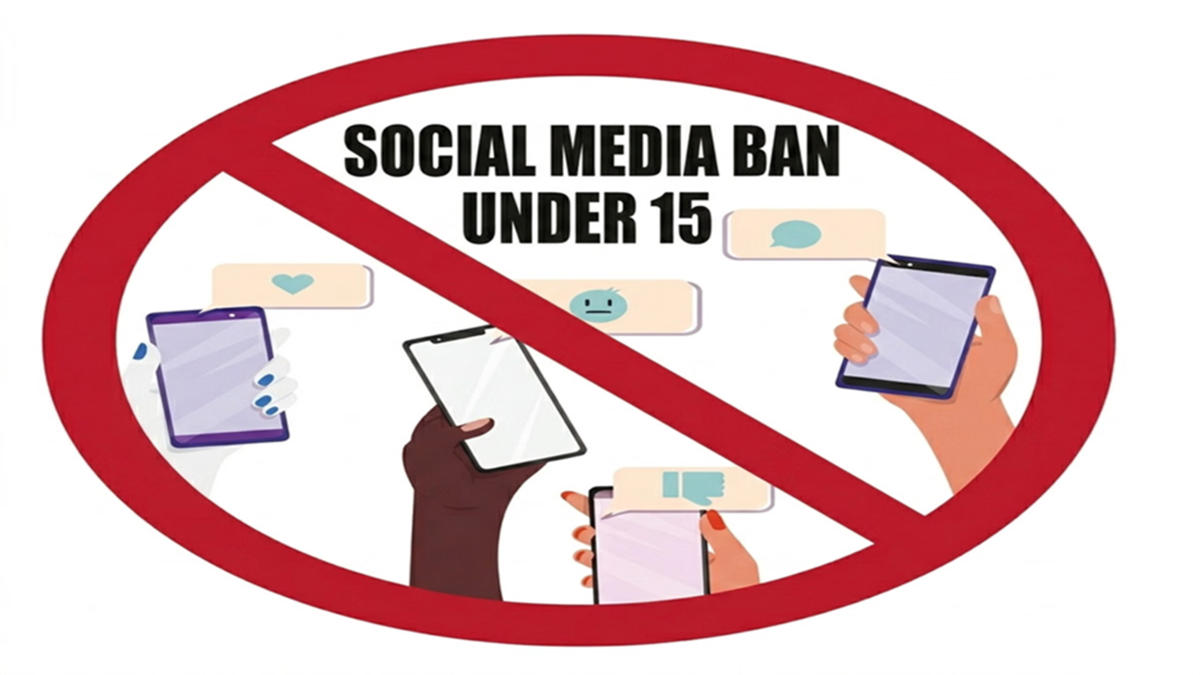
Poland's Education Minister, Barbara Nowacka, indicated in an interview that the government is introducing a new bill that would keep children under the age of 15 away from social media platforms. This proposal will be presented by the ruling Civic Coalition. The draft clearly states that any platform found to be providing access to underage children could be fined. However, the amount of the fine is still under discussion. The government argues that social media is hurting the mental health and intellectual development of children and adolescents, which is why this step is being taken.
When could the law be implemented?
According to government plans, this law could be implemented by early 2027. This will require platforms to make major technical changes to their systems, especially in the area of age verification.
Why is this ban necessary?
The Education Minister cited two main reasons for this:
Mental health: Social media is increasing anxiety and depression among children.
Cognitive decline: Increasing screen time is reducing children's cognitive abilities.
What will be the impact on tech companies?
This move could pose a challenge to American tech giants like Meta and X. Last year, Australia implemented a similar ban, which some tech companies opposed. Poland's proposal could spark new tensions between Europe and the US over digital policies.
Why is the clampdown increasing?
Tech experts say that children's social media use leads to excessive screen time, social media addiction, cyberbullying, fake content, and algorithmic manipulation. All of these factors impact adolescents' mental health. Several studies have also shown that social media use at an early age can impact concentration and academic performance. If this law is passed, platforms may be required to implement robust digital ID or biometric-based age verification systems. Digital regulation in Europe could become more stringent, and other countries may consider adopting this model.
Growing Legal Pressure on Meta
Meta Platforms, which owns Facebook and Instagram, is facing allegations worldwide that its platforms are harming the mental health of young users. Thousands of lawsuits are pending against the company in the US, alleging that Meta deliberately designed its apps to be addictive, negatively impacting the mental health of minors.
In response to these allegations, Instagram chief Adam Mosseri argues that most objectionable content is sent through private messages. According to him, the challenge for the company is that, in the name of security, they cannot read people's private messages, as this would violate users' privacy.
Meta Changes Policies Due to Growing Pressure
However, amid growing pressure, Meta has made some strict changes to its policies by the end of 2025. The company has now promised to completely remove objectionable or sexually explicit content generated by AI, unless it is for medical or educational purposes. Meta spokesperson Andy Stone says the company is making progress in the area of security and is constantly working to improve it.
Social media is becoming increasingly stringent around the world.
In December 2025, the Australian government implemented the Online Safety Amendment Act, which completely bans social media use for children under the age of 16.
In November 2025, the Danish Assembly agreed to ban children under the age of 15. However, a proposal has also been made to exempt children aged 13-14 with parental permission.
In January of this year, the French National Assembly passed a bill banning social media for children under the age of 15.
Disclaimer: This content has been sourced and edited from Amar Ujala. While we have made modifications for clarity and presentation, the original content belongs to its respective authors and website. We do not claim ownership of the content.
