
Plugging your phone in could drain your bank account; are you making this mistake?
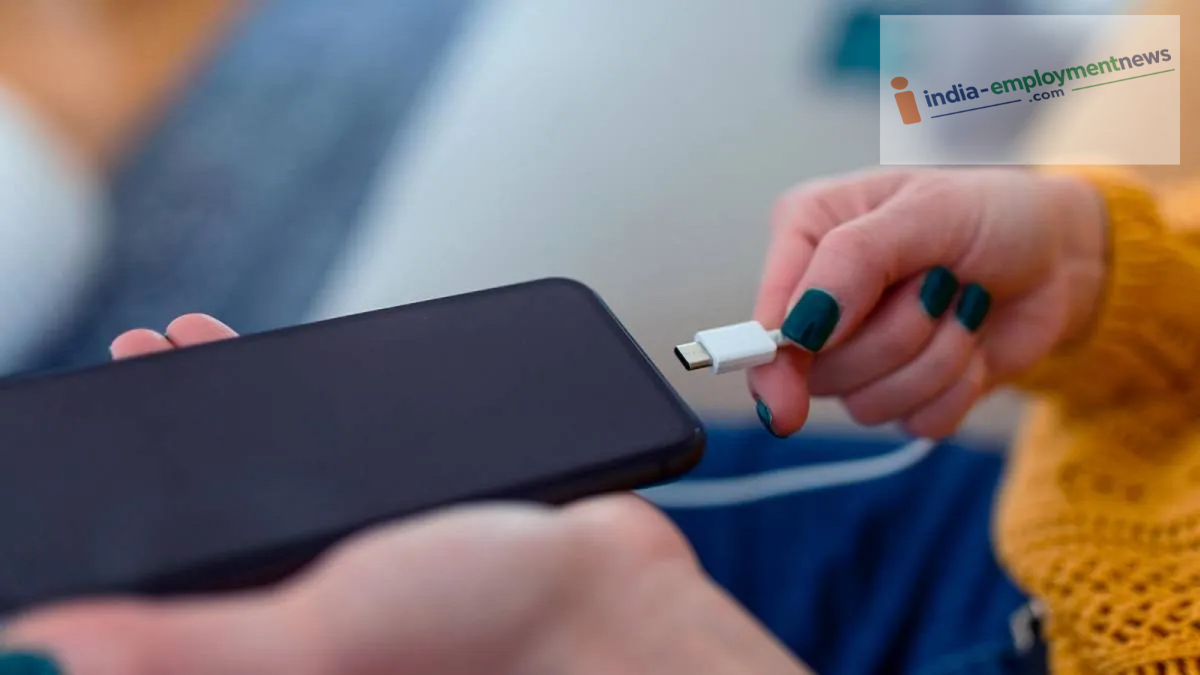
Have you ever used public charging stations at railway stations, metro stations, or airports? If so, you need to be cautious. A new type of fraud has emerged where hackers use these charging stations to inject malware (viruses) into your phone, steal your personal information, and commit online fraud.
What is the 'Juice Jacking Scam'?
This new form of fraud is known as the 'Juice Jacking Scam.' In this type of cyberattack, malware is injected through the USB port used for charging the phone. Cybercriminals even set up fake charging stations in public places to lure victims. They inject malware or viruses into the phone via the charging cable.
The injected virus steals everything from banking details to OTPs (One-Time Passwords) and transmits them to the hacker. Furthermore, hackers can gain access to your personal photos and other private data. They may then call and blackmail you, or even subject you to 'digital arrest' scams.
How can you stay safe?
Never plug your phone into public charging stations. If you have a charging adapter, use that to charge your phone.
For emergency charging needs, you can use a power bank or a portable charger.
Most modern phones come with large batteries, allowing them to last a long time on a single charge.
If you absolutely must use a public charging station, pay close attention to any prompts that appear on your phone screen. Do not tap on "Trust this device" or "Allow Data Transfer" by mistake.
What to do if you fall victim to fraud?
If you become a victim of any kind of fraud, call the National Cyber Fraud Helpline number at 1930. Additionally, you can report cyber fraud using the Sanchar Saathi app or website. Furthermore, you can also report the fraud by visiting the nearest cyber police station.
