
Online Gaming Scams on the Rise: How Fraudsters Trap Players and Smart Ways to Stay Safe
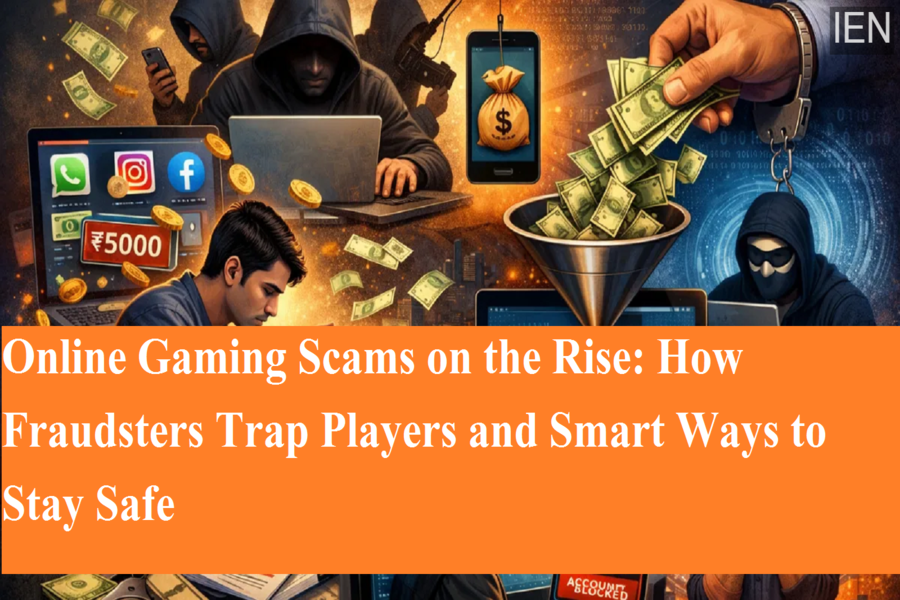
Online gaming has rapidly become one of the most popular forms of digital entertainment in India, especially among young users. The promise of quick rewards, real-money winnings, and exciting gameplay has attracted millions of players. However, behind this booming trend, a dangerous wave of online gaming fraud is quietly spreading. Cybercriminals are exploiting players’ trust and greed, leading to financial losses worth lakhs and even crores across the country.
Fraudulent gaming apps and platforms are aggressively promoted on social media with tempting offers such as “Deposit ₹500, Win ₹5,000” or “Guaranteed daily profit.” These claims may sound exciting, but in reality, they are carefully designed traps. Recent incidents, including a case from Pune where a young man lost ₹36 lakh in a gaming-investment scam, highlight how serious the problem has become. Despite strict laws and the passing of the Promotion and Regulation of Online Gaming Act in August 2025, illegal real-money gaming apps continue to target Indian users.
How Online Gaming Scams Actually Work
Most online gaming frauds follow a structured three-stage pattern. In the first stage, fraudsters attract users through advertisements on platforms like Instagram, Facebook, WhatsApp, and Telegram. These ads showcase flashy visuals, fake testimonials, and unrealistic profit promises. Users are encouraged to deposit a small amount, making the risk seem minimal.
Online games अक्सर real money जीतने का लालच देती हैं और लुभावने offers के ज़रिये लोगों को पैसा लगाने के लिए कहती हैं
— CyberDost I4C (@Cyberdost) January 13, 2026
इस तरह के fraud को online money gaming scam कहा जाता है। India में real money gaming, betting और gambling apps ग़ैर-कानूनी हैं।#OnlineGaming #RealMoneyGaming pic.twitter.com/u43nz1jb9P
To build trust, the scam platforms often allow users to win small amounts initially. These early “wins” create confidence and excitement, making players believe the app is genuine. Once the user is hooked, the second stage begins. Players are pushed to place bigger bets or deposits with promises of bonus rewards, double or triple returns, or special tasks that require additional payments.
The final stage is where the actual fraud unfolds. The games are manipulated using bots, artificial intelligence, or rigged algorithms that ensure the user starts losing consistently. Even if a user wins a large amount, the platform creates obstacles during withdrawal. Minimum withdrawal limits are suddenly increased, extra deposits are demanded, or accounts are frozen without explanation. In many cases, fake apps steal users’ banking details or block access completely.
Investigations have revealed that several such platforms operate through overseas servers, often linked to China or Dubai. The stolen money is routed through mule accounts and quickly laundered, making recovery difficult.
Why Youth Are the Primary Targets
Young users are particularly vulnerable due to high social media exposure, curiosity, and the desire to earn quick money. Many see online gaming not just as entertainment, but as a potential income source. Fraudsters take advantage of this mindset by promoting gaming as an “investment” rather than a form of recreation.
The lack of financial literacy and cyber awareness further increases the risk, allowing scammers to manipulate users emotionally and psychologically.
Smart Ways to Stay Safe from Online Gaming Fraud
The most important rule is to never trust platforms that promise guaranteed wins or high returns. Legitimate games are based on chance or skill and do not assure profits. Always download apps only from official app stores like Google Play Store or Apple App Store, and avoid installing APK files from unknown sources.
Before depositing money, check app reviews, legal disclosures, licensing details, and GST information. Set a strict budget for gaming and never exceed it. Online gaming should be treated purely as entertainment, not a way to earn money.
Never share OTPs, bank details, or personal information with anyone. Use strong passwords and enable two-factor authentication wherever possible. Parents should closely monitor children’s gaming habits and explain the risks involved. Keeping antivirus software updated and avoiding suspicious links can also help reduce exposure to malware and phishing attacks.
What to Do If You Become a Victim
If you fall victim to an online gaming scam, act immediately. File a complaint on the National Cyber Crime Reporting Portal under the “Report Cyber Crime” section. Upload all relevant details such as transaction IDs, screenshots, chat history, and bank statements. You can also call the cybercrime helpline number 1930, which operates 24×7.
If money has been debited from your bank account, inform your bank without delay so that the transaction can be blocked or flagged. You can also register a Zero FIR at your nearest police station, even if the crime occurred outside their jurisdiction. In high-value cases, approaching consumer forums may provide additional legal support.
Final Takeaway
Online gaming scams are evolving rapidly and becoming more sophisticated. Awareness, caution, and timely action are the strongest defenses against such frauds. While gaming can be fun, falling for unrealistic promises can turn entertainment into a financial nightmare. Staying informed and alert is the key to enjoying online gaming safely.
