
OLED, QLED, or Mini-LED: Understand which screen is best for you before buying a new TV..
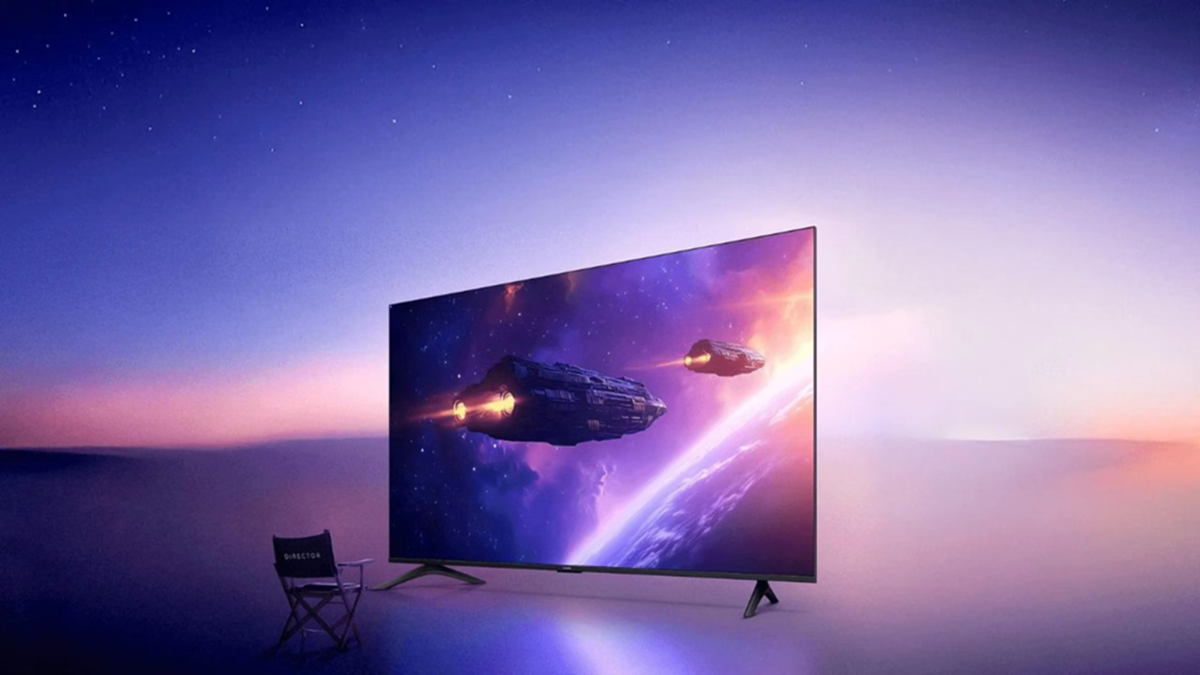
Buying a new TV is no longer just about picking your preferred screen size. When you visit the market or browse online shopping sites today, you encounter complex technical terms like OLED, QLED, and Mini-LED. While all three display technologies promise a fantastic viewing experience, there are vast differences in their pricing and performance. Consequently, choosing the right model can feel like solving a puzzle.
Let’s break down the differences between OLED, QLED, and Mini-LED in simple terms and see which one might be the best choice for you.
QLED: Better color and brightness at a lower price
QLED offers superior picture quality compared to standard LED TVs and is generally available at a lower price point than OLED. It utilizes a layer of "Quantum Dots," which helps make colors brighter, more accurate, and more vibrant. This advantage is particularly noticeable when watching HDR movies, live sports, and animation.
QLED's high brightness makes it an excellent choice for rooms that receive plenty of daylight. Since it uses an LED backlight, there is no risk of permanent "burn-in" (an issue sometimes seen with OLEDs). However, it does not quite match the "perfect black" levels of OLED. That said, premium QLED models featuring "Full Array Local Dimming" can still deliver impressive contrast.
Mini-LED: A balance between QLED and OLED
Mini-LED is a great option for those who desire premium picture quality but prefer not to pay the high price of OLED. It employs thousands of tiny LEDs—far more than standard LED TVs—resulting in more local dimming zones and superior control over brightness and contrast.
Mini-LED TVs can deliver deeper blacks, brilliant highlights, and reduced "blooming" (light bleeding around bright objects). These benefits are especially apparent in HDR movies. Its high brightness also makes it suitable for well-lit rooms and gaming. Unlike OLED, it does not carry the risk of permanent burn-in. However, OLED still leads when it comes to achieving perfect blacks.
OLED: The Ultimate Cinematic Experience
If picture quality is your top priority, OLED remains the benchmark. Each pixel generates its own light and can turn off completely when needed. This results in true blacks, stunning contrast, and superior shadow detail.
OLED is particularly excellent for movies and TV shows. Newer OLED panels are brighter than before, and features like pixel shifting and screen protection in modern TVs mitigate the risk of burn-in. However, Mini-LED still outperforms OLED in terms of peak brightness.
Which TV Should You Buy?
OLED is ideal for those seeking the best black levels, contrast, and cinematic picture quality.
Mini-LED is a great choice for users who want high brightness alongside excellent contrast; it is a strong option, especially for bright rooms and gaming.
QLED is better suited for those looking for good picture quality, vibrant colors, and high brightness at a more affordable price point.
Therefore, when buying a TV, don't simply look for the most expensive technology. Consider your room environment, what you watch, and your budget.
Frequently Asked Questions
Q1. Which is better: OLED, QLED, or Mini-LED?
There is no single answer to this. The best technology depends on your specific needs. OLED is excellent for superior black levels and a cinematic viewing experience; Mini-LED is better for high brightness; and QLED offers a good balance between price and performance.
Q2. Do OLED TVs suffer from burn-in issues?
OLED TVs carry a risk of burn-in if a static image remains on the screen for an extended period. However, modern OLED TVs feature technologies like pixel shifting and screen protection to minimize this risk.
Q3. Do QLED TVs suffer from burn-in?
QLED TVs rely on LED backlighting, so they are generally not susceptible to permanent burn-in like OLED TVs.
Q4. Which is better for a bright room: OLED or Mini-LED?
If the room receives a lot of daylight, Mini-LED is generally the better choice. Its high peak brightness helps keep the image clear and impactful, even in the presence of glare.
Q5. Which TV is better for gaming?
OLED and Mini-LED for gaming.
Disclaimer: This content has been sourced and edited from Amar Ujala. While we have made modifications for clarity and presentation, the original content belongs to its respective authors and website. We do not claim ownership of the content.
