
Old Phone: This 16-year-old phone is gaining popularity among Gen Z, who are buying it for thousands of dollars, raising concerns among experts..
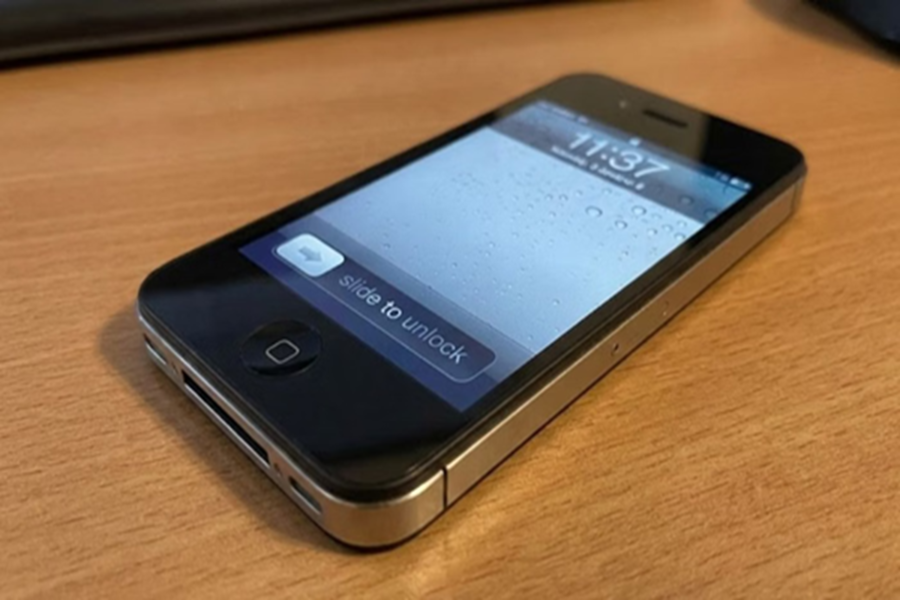
Many people are fed up with today's fast-paced life and the constant barrage of notifications. As a result, a large number of young people are returning to the past. The iPhone 4, launched in 2010, is once again making headlines. So, are young people drawn to this phone for its power, performance, and features? Absolutely not; it's the simplicity and limited features of the older phone that are attracting them.
The Growing Craze for Old iPhones
On social media, many users are sharing photos taken with the iPhone 4 and comparing them to those taken with new flagship smartphones. While new phones produce ultra-clear and sharp photos, the iPhone 4's pictures are slightly blurry and grainy. Users say that these photos capture a "real feeling" and emotion. Some have even started calling it a "new digital camera."
Searches on Google increased by up to 1,000%
This nostalgia is clearly impacting the market. According to Google Trends, searches for buying the iPhone 4 have surged by nearly 1,000 percent. The phone is selling at very high prices on the e-commerce site eBay. Phones that are still in their original packaging are fetching particularly exorbitant prices.
Experts Issue Warning
However, experts are advising caution regarding this trend. According to Lee Elliot, Chief Product Officer at the tech recycling platform Compare and Recycle, using old phones can be extremely risky from a security perspective. He said that users should assume their data is insecure the moment they turn on an iPhone 4.
Old Phones Are Not Without Risks
Elliot warned against entering any personal information on this device. Even logging into an app is not safe. The iPhone 4 only supports iOS 7.1.2, which was released in 2014. This means it hasn't received any security updates for over a decade. Apple typically declares a device "obsolete" about seven years after it's discontinued. Such products no longer receive support from the company, and neither repairs nor spare parts are available. Experts say that if someone is still using such a device, it's crucial to understand the associated risks.
Disclaimer: This content has been sourced and edited from Amar Ujala. While we have made modifications for clarity and presentation, the original content belongs to its respective authors and website. We do not claim ownership of the content.
