
Old mobile number reassigned? Learn how to protect your bank OTPs, emails, and social media accounts from unauthorized access.
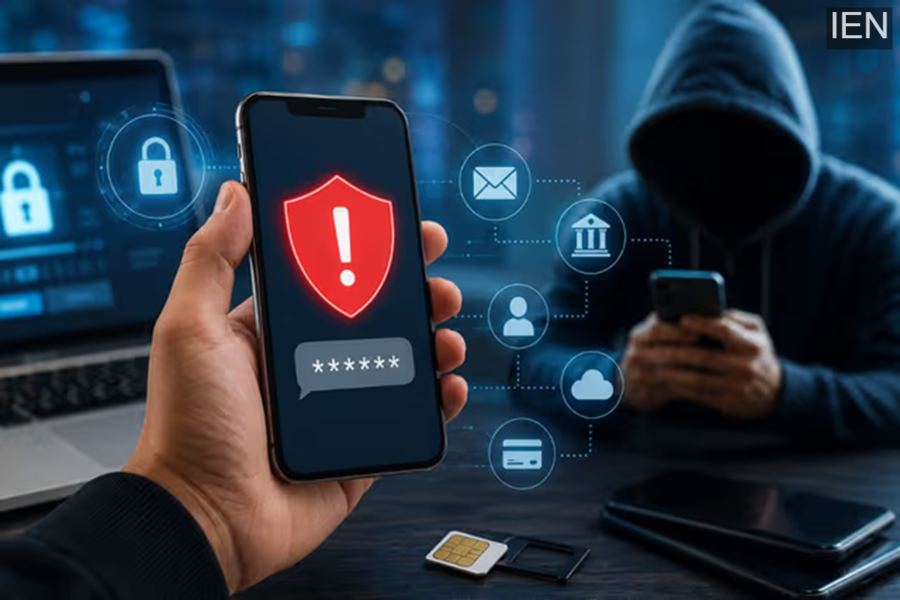
If you haven’t updated your bank, UPI, email, and social media accounts after changing your mobile number, your old number could end up with someone else, putting your digital security at risk.
Changing mobile numbers is very common these days; some switch to a new SIM for a better plan, others start using a new number after losing their phone, and many simply discontinue their old number. But have you ever considered that the number you stopped using could be assigned to another person after just a few months? If your bank accounts, emails, UPI, or social media accounts are still linked to that old number, it could pose a significant threat to your digital security.
What happens if someone else gets your old number?
Telecom companies do not keep deactivated numbers inactive forever. After a specified period, the same number can be reissued to a new customer. The problem arises when users fail to update their number across their important online accounts.
In such a scenario, the new holder of the number could receive OTPs, password reset links, or other critical messages intended for you. This means it could become easier for someone to gain access to your various online accounts.
Two-factor authentication can also become a weak link.
Today, most people use two-factor authentication (2FA) for added security. This involves sending a code to the mobile number during the login process. However, if you no longer possess that number and it has been assigned to someone else, that same code could be delivered to their phone.
Cybersecurity experts believe this is why relying solely on SMS-based security is no longer considered as safe as it once was.
The risk of account hacking is on the rise
Every year, millions of mobile numbers are deactivated and subsequently reissued worldwide. Consequently, accounts linked to old numbers can become easy targets for cybercriminals. If someone else acquires your old number and initiates a password reset process for your email, social media, or banking services, they could receive critical security alerts. This is why experts advise removing old numbers from your accounts.
Take these steps immediately after changing your number
If you have recently obtained a new mobile number, start by reviewing all your important platforms. Update the new number across banking apps, UPI services, email, WhatsApp, Instagram, Facebook, and other essential accounts.
Simply adding the new number is not enough; it is crucial to completely remove the old number to prevent anyone else from gaining access to your accounts through it in the future.
Adopt this secure alternative to SMS OTPs
Cybersecurity experts are now advocating for the use of authenticator apps. These apps do not rely on phone numbers and generate security codes directly within the device.
Additionally, check your account recovery settings. Often, an old number remains saved as a backup contact, which can pose a security risk later on.
Why is it important to check this now?
The reallocation of mobile numbers is a standard practice in the telecom industry and will continue. Consequently, the responsibility for security lies with the user. If you have ever changed your number, ensure today that your old number is not linked to any critical online services. A moment of negligence could put your personal information, bank accounts, and social media profiles at risk.
